

2. Heroes and Villains of World War I: Militarism, Alliances, Imperialism, Nationalism (MAIN Causes)


My Name is Georges Clemenceau: Defender of France and Relentless Patriot
I was born in 1841 in France, a nation proud yet wounded, filled with both hope and instability. My father was a republican, a man who believed deeply in liberty and resistance to tyranny, and from him I learned to question authority and fight for what I believed was right. France was never just a country to me—it was an idea, something worth defending at all costs. Even as a young man, I could feel that our nation’s strength depended on those willing to stand firm when others hesitated.
A Voice Against Authority
In my early years, I became a journalist and political thinker, using words as my weapon. I opposed emperors, corruption, and weakness wherever I saw it. I spent time in the United States, observing democracy, but my heart always returned to France. When I entered politics, I made it my mission to hold leaders accountable. Some called me aggressive, even reckless, but I believed that France needed strength, not softness. I could never understand why others tolerated failure or compromise when the nation’s future was at stake.
The Wound of Defeat
The Franco-Prussian War of 1870 changed everything. France was humiliated, and we lost Alsace-Lorraine to Germany. This was not just a territorial loss—it was a wound to our pride, our identity. I refused to accept it as permanent. Many spoke of moving forward, of rebuilding quietly, but I believed France must never forget. A nation that forgets its losses, I thought, invites them again. I pushed for strength, for readiness, for a France that would one day reclaim what was taken.
The Rise of Nationalism
As the years passed, I became known as a fierce nationalist. I believed that unity and pride were essential to survival in a world of competing powers. France needed to believe in itself again. I spoke often, sharply, and without apology. Critics said I stirred division, that my words encouraged conflict rather than peace. I found this baffling. How could a nation survive without conviction? How could it defend itself without passion? To me, nationalism was not dangerous—it was necessary.
Controversy and Conflict
I was never a man who avoided controversy. I attacked corruption in government, exposed scandals, and demanded accountability, even when it made me enemies. Some saw me as too harsh, too unwilling to compromise. They believed diplomacy required patience and restraint. I saw it differently. Weakness, hesitation, and silence were far more dangerous than boldness. I did not understand why others feared strong leadership when the world around us was growing more uncertain.
War and Leadership
When the Great War came, I became Prime Minister of France. This was the moment I had long believed would arrive. I led with determination, pushing France to endure, to fight, and to win. I demanded total commitment from the nation, and I gave no room for doubt. Some thought me relentless, even unforgiving. They wanted peace sooner, compromise perhaps. I could not accept that. France had suffered too much to settle for anything less than victory.
The Aftermath of the Franco-Prussian War (1871) - Told by Georges Clemenceau
I remember the year 1871 not as a distant memory, but as a wound that refused to heal. France, once proud and confident, had been brought to its knees by Prussia. The defeat was swift, humiliating, and undeniable. Our armies had failed, our emperor had fallen, and Paris itself had been surrounded and starved into submission. For many, it was a moment to rebuild quietly and accept reality. For me, it was something far more dangerous—a moment that would define the future of France.
The Loss of Alsace-Lorraine
The most painful blow came not just from defeat, but from what was taken from us. Alsace and Lorraine—French lands, French people—were handed over to the newly unified German Empire. This was not merely a political decision; it was a tearing away of identity. Families were divided, cultures disrupted, and a deep sense of injustice settled over the nation. I listened as some argued that peace required acceptance of these losses. I could not understand such thinking. How could a nation willingly accept the removal of its own people and land?
Humiliation and Memory
The Germans did not simply win—they made sure we would remember it. Their victory was declared in the Hall of Mirrors at Versailles, a place that symbolized French power and pride. It was deliberate, calculated, and meant to humiliate. And it worked. Across France, there was anger, shame, and a growing determination that this would not be the end of our story. I saw clearly what others tried to ignore: humiliation does not disappear with time—it hardens into resolve.
The Birth of Revanchism
From this defeat grew something powerful and dangerous—revanchism, the desire for revenge. I did not shy away from it, nor did I see it as something to suppress. A nation that forgets its losses becomes weak. I believed France must remember, must rebuild, and must one day reclaim what was taken. Some called this reckless, even warmongering. They spoke of peace, of moving forward without looking back. I found their arguments hollow. Peace without justice is only delay.
Nationalism Rekindled
Yet from our suffering came unity. The defeat awakened a renewed sense of what it meant to be French. Our language, our culture, our pride—these became rallying points. Nationalism was no longer abstract; it was personal. It lived in the hearts of citizens who had seen their nation fall. I believed this was necessary. A divided people cannot stand against a powerful enemy. Still, critics warned that such passion could lead to future conflict. I saw it differently. Without that passion, there would be no future worth defending.
A Future Forged in Resolve
As the years passed, the memory of 1871 did not fade—it sharpened. France rebuilt its army, strengthened its institutions, and prepared itself for whatever might come. I supported this with conviction. We had learned a hard lesson: weakness invites defeat. I did not understand those who believed we should trust in goodwill or diplomacy alone. The world had shown us its true nature, and I refused to pretend otherwise.
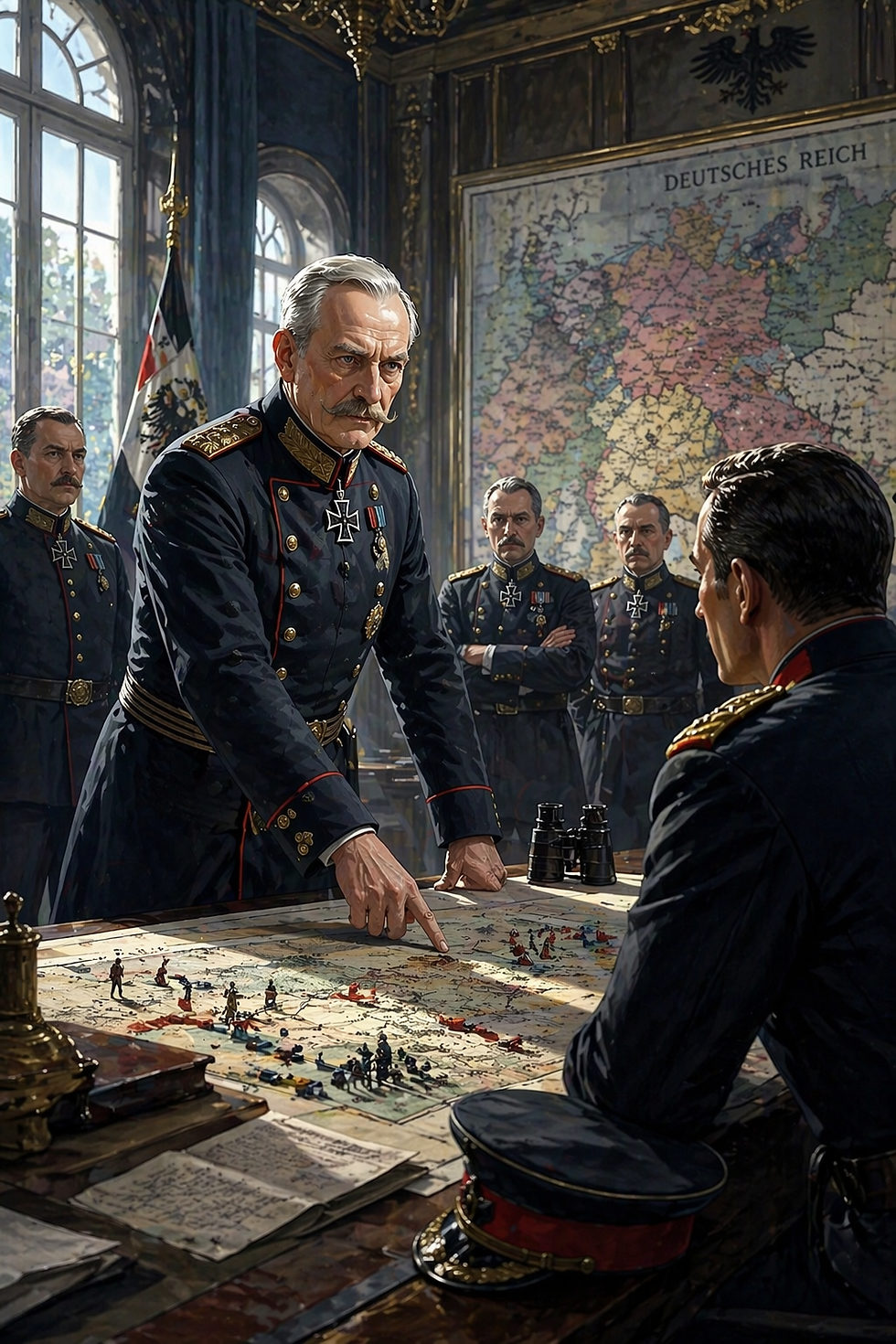
My Name is Helmuth von Moltke the Elder: Architect of War and Order
I was born in 1800, in a Europe still trembling from the shadow of Napoleon. My early life was shaped by discipline, duty, and the belief that order must be preserved at all costs. Though I began my military career in the Danish army, I soon found my true calling in the service of Prussia. It was there that I discovered not only my loyalty, but my purpose—to bring structure and intelligence to the chaos of war.
Learning the Science of War
War, to me, was never simply violence. It was a system, a puzzle, something that could be studied, improved, and mastered. I devoted myself to understanding geography, logistics, and the movement of armies. Railroads, telegraphs, and careful planning became my tools. I believed deeply that a well-prepared nation could win wars quickly and decisively, sparing itself the drawn-out suffering that came from hesitation or weakness.
Forging a Strong Germany
As Chief of the Prussian General Staff, I helped guide our nation through decisive conflicts—the wars against Denmark, Austria, and France. Each was carefully planned, executed with precision, and concluded with strength. When Germany was unified in 1871, I saw it not as a coincidence, but as the result of discipline, preparation, and superior organization. A strong army had built a strong nation. To me, this was undeniable truth.
My Belief in Militarism
I believed that the army was the backbone of the state. Without strength, nations invite chaos and destruction. Many criticized this view, calling it dangerous or aggressive. I could never fully understand their objections. Did they not see that weakness invited war just as surely as strength could win it? I did not glorify war for its own sake—I respected it as a force that demanded readiness. Peace, I believed, was secured not by hope, but by power.
The Limits of Planning
Even as I praised preparation, I understood one truth: no plan survives first contact with the enemy. Yet this did not discourage me. Instead, it reinforced my belief that nations must train leaders who could think, adapt, and act decisively. Still, many misunderstood this. They believed planning for war meant desiring it. I found this idea frustrating. Should a nation not prepare for storms simply because it hopes for clear skies?
Criticism and Controversy
There were those who feared what my ideas represented. They saw the growing power of the military and worried it would overshadow civilian life. They warned that constant readiness might lead nations into conflict rather than away from it. I found these concerns misplaced. Order, discipline, and strength were not enemies of peace—they were its guardians. I struggled to understand why others could not see what seemed so clear to me.
The Unification of Germany and Its Consequences - Told by Helmuth von Moltke
Before unity, what you now call Germany was little more than a collection of kingdoms, duchies, and rival interests. Prussia stood strongest among them, but even we could not claim dominance without challenge. I saw clearly what others only debated—division was weakness. A scattered people could not stand against the great powers of Europe. If Germany were to exist as a force, it would have to be forged, not negotiated into being.
War as the Instrument of Unity
Many speak of unity as if it were achieved through speeches and agreements. That is not how history works. Under the leadership of Otto von Bismarck and with the strength of the Prussian army, unity came through calculated conflict. The wars against Denmark, Austria, and France were not accidents—they were steps. Each was planned with precision, each aimed at removing obstacles and consolidating power. I ensured that our armies moved swiftly, coordinated by rail and guided by careful strategy. Victory was not left to chance.
The Birth of an Empire
In 1871, in the Hall of Mirrors at Versailles, the German Empire was proclaimed. It was a moment of triumph, not only for Prussia but for all German states now bound together under one crown. I saw in that moment the realization of years of preparation. A unified Germany was no longer an idea—it was a reality, strong, organized, and ready to take its place among the great powers. Some saw this as a sudden change. I saw it as the inevitable result of discipline and planning.
A Militarized Nation Emerges
With unity came strength, and with strength came responsibility. The army that had forged the empire did not fade into the background—it became central to its identity. Organization, readiness, and efficiency were no longer just military principles; they shaped the nation itself. Critics claimed that Germany was becoming too militarized, too reliant on force. I found such concerns misplaced. What had brought us unity would also preserve it. A nation that neglects its defenses invites its own downfall.
The Shift in Europe’s Balance
The rise of Germany did not occur in isolation. Europe felt it immediately. France, humiliated and weakened, looked upon us with resentment. Austria-Hungary, once dominant among the German states, now stood as an ally rather than a rival. Russia watched carefully, uncertain of what this new power would mean. Britain, secure in its island strength, began to take notice of a united Germany’s growing influence. The balance that had existed for decades was altered in a single generation.
Misunderstood Strength
There were those who warned that such a shift would lead to instability, that a powerful Germany would unsettle the peace of Europe. I did not share their fears. Strength, properly maintained, creates stability. It discourages conflict rather than invites it. I could not understand why others saw danger where I saw order. Was it not better to have a strong, unified nation than a fractured and unpredictable region?
The Rise of Professional Armies and General Staffs - Told by Helmuth von Moltke
When I first entered military service, armies were still shaped by tradition as much as by skill. Command often depended on noble birth, experience in the field, and instinct rather than careful calculation. I saw immediately that this was no longer enough. Europe was changing—industries were growing, populations were rising, and wars, when they came, would be larger and more complex. Victory could no longer rely on courage alone. It required preparation, organization, and knowledge.
The Birth of the General Staff System
In Prussia, we began to build something new: a General Staff composed of trained officers whose sole purpose was to study war. These men were not simply commanders; they were thinkers. They analyzed terrain, calculated supply needs, studied enemy behavior, and prepared detailed plans long before a single shot was fired. I helped shape this system into a disciplined body that could support any commander in the field. It was not about individual brilliance—it was about collective precision.
War as a Science
I believed that war could be understood, even if it could never be completely controlled. We studied railways and timetables, ensuring that troops could be moved quickly across great distances. We mapped entire regions, planned routes of advance, and considered every possible scenario. This was not guesswork—it was method. Critics said that war could never be reduced to such calculations, that chance and chaos would always prevail. I agreed that uncertainty existed, but I saw no reason to surrender to it. Preparation reduces chaos; it does not eliminate it, but it gives one the advantage.
The Speed of Modern War
With these new systems in place, war itself began to change. Armies could mobilize faster, strike sooner, and decide battles more quickly than ever before. The wars I helped guide—against Denmark, Austria, and France—demonstrated this clearly. Swift movement and careful coordination overwhelmed slower, less organized opponents. To me, this proved that war, though dangerous, could be made efficient. A short, decisive conflict was far preferable to a long, drawn-out struggle.
The Idea of Inevitable Conflict
As Europe grew more powerful and more connected, I came to believe that war was not something nations could simply avoid. Competition for power, influence, and security made conflict likely, if not unavoidable. This was not a desire for war, but a recognition of reality. If war was coming, then it must be prepared for with the utmost seriousness. I could not understand those who argued that planning for war made it more likely. To me, failing to prepare ensured disaster.
Misunderstood Intentions
Many misunderstood what we were building. They saw the General Staff and the detailed war plans and concluded that we were eager for conflict. They feared that by making war more manageable, we were making it more acceptable. I rejected this view. Was a doctor blamed for studying disease? Was an engineer condemned for preparing for failure? I believed that knowledge was responsibility. If war could be organized and shortened, then suffering could be reduced.
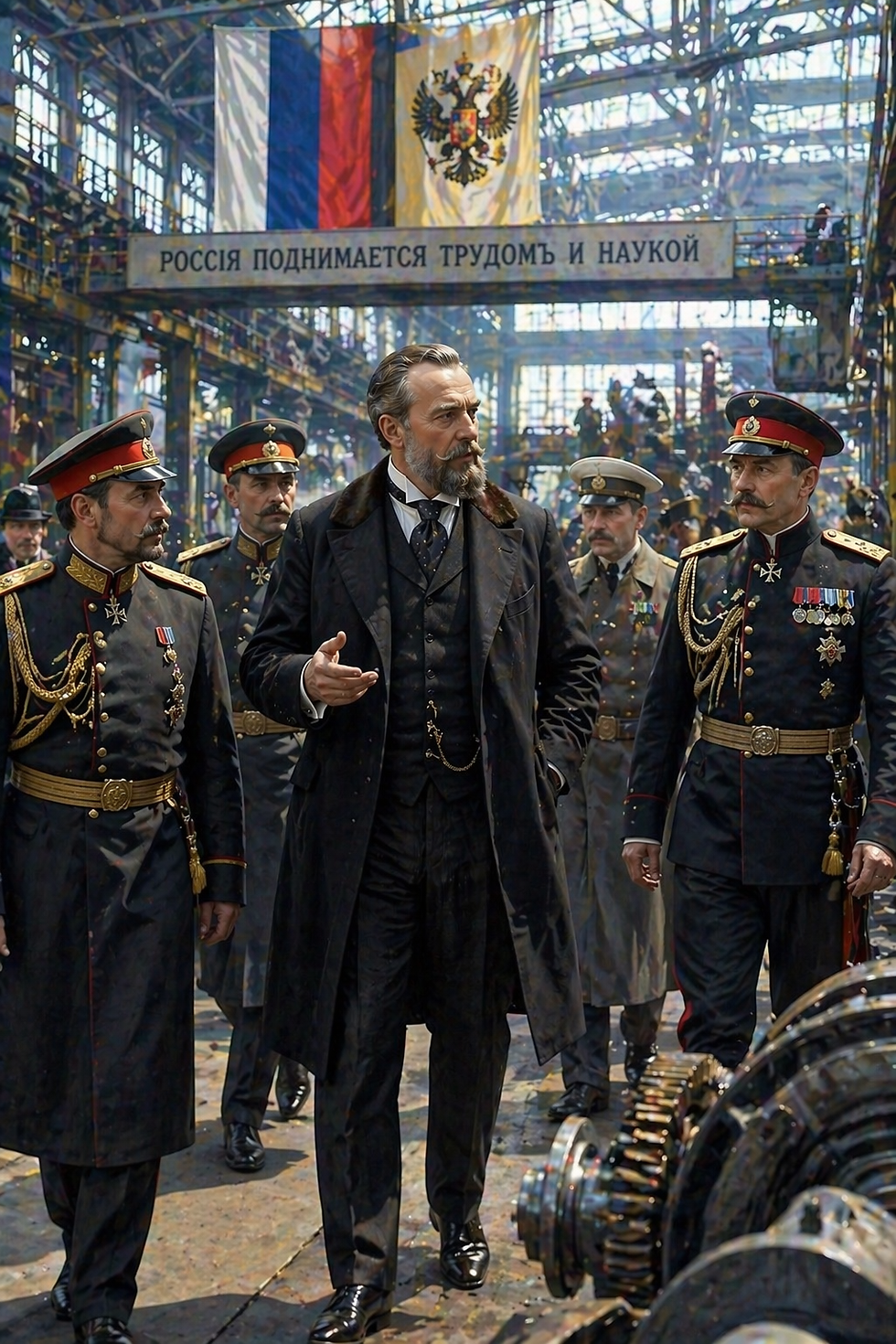
My Name is Sergei Witte: Builder of Russia’s Industrial Future
I was born in 1849 in the Russian Empire, far from the traditional centers of aristocratic power. I did not rise through the military or inherit influence through noble titles. Instead, I found my path through intellect, discipline, and a deep belief that Russia could not survive unless it changed. While others looked to the past, I looked to the future—a future driven by industry, railroads, and economic strength.
The железная дорога—Railroads and Opportunity
My early career in railway administration taught me a simple truth: a nation’s strength lies in its ability to move—goods, people, and ideas. I helped expand Russia’s railway system, including the great Trans-Siberian Railway, which would connect vast and distant lands. To me, railroads were not just tracks of steel—they were the arteries of a modern empire. Yet many questioned the cost and speed of this expansion. I found their hesitation frustrating. How could Russia compete with Europe if it refused to modernize?
Industrialization as Survival
When I became Minister of Finance, I pushed aggressively for industrial growth. I encouraged foreign investment, strengthened the ruble, and expanded factories across the empire. I believed that economic power was just as important as military power—perhaps even more so. Russia needed to stand among the great powers, and that required transformation. Critics accused me of moving too quickly, of disrupting traditional ways of life. I did not understand their fear. Progress was not optional—it was necessary.
Alliances and Strategy
I also understood that Russia could not stand alone. Europe was a web of alliances, and survival depended on choosing wisely. I supported closer ties with France, strengthening a partnership that would balance against growing German power. Alliances, in my mind, were not signs of weakness but tools of stability. Yet others in Russia distrusted these relationships, preferring isolation or relying solely on military might. I could not see how they failed to grasp the importance of cooperation in an increasingly connected world.
Conflict and Resistance
My ideas often placed me at odds with powerful figures in the government. The Russian court was slow to change, clinging to old traditions and resisting reform. I was criticized for my reliance on foreign capital, for empowering industry, and for challenging the established order. Some believed I was undermining Russia’s identity. I believed I was saving it. Why preserve a system that left us vulnerable and behind? I struggled to understand why logic and evidence were so often ignored in favor of habit and pride.
The Cost of Change
Despite my efforts, modernization came with consequences. Rapid industrial growth created unrest among workers, and political tensions rose throughout the empire. I worked to stabilize the situation, even helping to negotiate peace after the Russo-Japanese War and supporting reforms in 1905. Still, many blamed the changes themselves rather than the resistance to them. I could not accept that progress was the problem—it was the refusal to adapt that created instability.
Industrialization Fuels Military Growth - Told by Sergei Witte
When I looked upon Russia in the late nineteenth century, I did not see only fields, villages, and tradition—I saw potential waiting to be awakened. Europe was changing rapidly, and power was no longer measured only by the size of an army, but by the strength of industry behind it. Factories, railroads, and steelworks were becoming the true engines of national strength. I understood early that a nation that could produce more could fight more effectively, and more importantly, sustain that fight.
Railroads: The Arteries of War
My work with railroads taught me that speed and coordination would define future conflicts. An army is only as effective as its ability to move. Railroads allowed nations to transport thousands of soldiers, weapons, and supplies across vast distances with unprecedented efficiency. In Russia, I pushed for massive expansion, including the Trans-Siberian Railway, not simply as a tool of commerce, but as a strategic necessity. Some questioned the enormous cost, but I could not understand their hesitation. Without mobility, even the largest army becomes useless.
Steel and the Machinery of Conflict
Industrialization also meant steel—stronger weapons, better rail lines, more durable ships. Factories that once produced tools and goods could now produce artillery, rifles, and ammunition at a scale never seen before. I saw clearly that the future of war would not be decided by bravery alone, but by production. A nation that could outproduce its enemy could outlast it. This was not theory; it was an observable shift happening across Europe. Still, there were those who believed Russia could rely on its size and tradition. I found this dangerously outdated.
Factories and Firepower
With industry came the ability to arm entire populations. Weapons were no longer crafted slowly by hand; they were manufactured in vast quantities. This changed the nature of war itself. Conflicts would involve more soldiers, more firepower, and greater destruction. I supported the growth of these industries because I believed Russia must not fall behind. Critics argued that such expansion would only make wars more devastating. I could not accept this argument. The devastation would come regardless—better to be prepared than to be overwhelmed.
Industrial Strength Equals Military Strength
To me, the connection was undeniable: industrial power was military power. Nations like Germany and Britain were proving this with their rapid growth and technological advancements. Russia had to follow or risk becoming irrelevant. I encouraged foreign investment, modern banking systems, and industrial expansion because I saw them as essential to national survival. Yet many resisted, fearing dependence on outside influences or the disruption of traditional life. I struggled to understand why preserving the past was valued more than securing the future.
A Tension Beneath Progress
Even as industry expanded, I could see the strain it placed on society. Workers flooded into cities, conditions grew difficult, and unrest began to stir. These were consequences I acknowledged but did not see as reasons to slow progress. Change of this scale was never meant to be comfortable. Still, my critics insisted that rapid industrialization was destabilizing the empire. I believed the greater danger lay in standing still while the rest of the world moved forward.
The Birth of Modern Militarism - Told by Helmuth von Moltke the Elder
In earlier times, armies served kings, and generals followed orders without question. But as Europe changed, so too did the role of the military. Wars became larger, more complex, and more decisive. It was no longer enough for political leaders to command from afar without understanding the realities of the battlefield. In Prussia, and later in Germany, men like myself were not simply advisors—we became essential to the direction of the state. Our knowledge of war gave us influence, and that influence began to shape national decisions.
The Authority of Expertise
I did not seek power for its own sake, but I believed that those who understood war should have a voice in preparing for it. Military leaders had studied logistics, movement, and strategy in ways that few politicians could match. When we spoke, it was not from theory alone, but from experience and careful analysis. Still, some were uneasy with this growing influence. They feared that the military would overshadow civilian leadership. I found this concern difficult to accept. Should decisions about war not involve those best equipped to understand it?
The Culture of Discipline
Alongside this shift in authority came a deeper respect for discipline. In Prussia, discipline was not merely a tool of the army—it was a value that extended into society itself. Order, obedience, and efficiency became ideals to be admired. I saw discipline as the foundation of strength. Without it, armies collapse, and nations follow. Yet critics claimed that such rigidity stifled freedom and individuality. I could not understand why structure was seen as a weakness when it had proven to be a source of success.
The Glorification of War
As victories were won and armies proved their effectiveness, a certain admiration for war began to grow. Parades, uniforms, and ceremonies celebrated military success and national pride. War, in the eyes of many, became something honorable, even noble. I did not encourage war as an end in itself, but I understood why it was respected. It demanded courage, sacrifice, and unity. However, I noticed that some began to speak of war too lightly, as though it were something to be welcomed rather than prepared for. This, even I recognized, was a dangerous misunderstanding.
A Nation Defined by Its Army
With the unification of Germany, the military became central to national identity. The army was not separate from the state—it was its foundation. This strengthened the nation, giving it confidence and stability. But it also meant that military thinking began to influence areas beyond the battlefield. Decisions were increasingly shaped by considerations of strength, readiness, and potential conflict. Others warned that this would lead to a more aggressive posture in Europe. I believed it ensured survival in a competitive world.
Misjudged Intentions
There were those who accused us of promoting militarism as a way of life, suggesting that we made war seem inevitable or even desirable. I rejected this entirely. To prepare for war is not to desire it. To value discipline is not to reject peace. I could not understand why others failed to see the distinction. A nation that neglects its strength invites danger, while one that is prepared commands respect.
Early Alliance Building (1870s–1880s) - Told by Sergei Witte
When I studied Europe in the years after 1871, I did not see peace—I saw tension carefully hidden beneath diplomacy. The unification of Germany had reshaped the balance of power almost overnight. France was humiliated and isolated, Germany was newly dominant, and the great empires—Russia, Austria-Hungary, and Britain—watched one another with growing suspicion. No nation could afford to stand alone in such a climate. It became clear that survival would depend not only on strength, but on partnerships.
The Logic of Defensive Alliances
Alliances in this period were not, at least in appearance, designed for conquest. They were defensive, built on the promise that if one nation were attacked, others would come to its aid. This created a sense of security, or so many believed. Agreements like the Three Emperors’ League attempted to bind powerful monarchies together, reducing the risk of conflict between them. I understood the appeal of such arrangements. A nation surrounded by potential threats must seek assurances wherever it can find them.
Choosing Sides in a Divided Europe
Yet even as these alliances formed, something more dangerous was taking shape. Europe was slowly dividing into camps. Germany and Austria-Hungary drew closer, while France, seeking protection after its defeat, searched for allies of its own. Russia, my own nation, found itself navigating between these competing interests, weighing opportunities against risks. I supported careful engagement, believing that alliances could provide balance and prevent isolation. Still, I could see that each agreement made neutrality more difficult.
Diplomacy or Dependency
Many praised alliances as tools of peace, but I was never entirely convinced they were so simple. While they offered protection, they also created obligations. A nation no longer acted solely in its own interest—it was bound to the decisions and conflicts of its partners. Some in Russia argued that we should avoid entanglements altogether, relying instead on our size and strength. I found this reasoning flawed. In a Europe of shifting power, isolation was not safety—it was vulnerability.
The Illusion of Stability
What troubled me most was how alliances created an illusion of control. Leaders believed that by forming agreements, they could manage conflict, limit its spread, and maintain balance. But I saw another possibility. If one nation were drawn into war, its allies would follow, and their allies after them. A single conflict could expand rapidly, pulling entire continents into struggle. I could not understand why more did not see this risk as clearly as I did.
A Web That Tightens
By the 1880s, the web of alliances had grown more complex and more rigid. What began as flexible arrangements hardened into expectations. Trust was limited, and suspicion remained high. Each nation watched the others closely, calculating not only their enemies, but the strength of their enemies’ allies. It was a system that promised security, yet quietly prepared the ground for something far larger.

My Name is Cecil Rhodes: Builder of Empire and Wealth
I was born in 1853 in England, a frail child not expected to achieve much. My health drove me away from home and toward opportunity abroad. At a young age, I traveled to southern Africa, where the air was said to be better for my lungs. What I found there was not just health, but possibility—vast lands, untapped resources, and a future waiting to be claimed by those bold enough to take it.
Diamonds and Destiny
In the diamond fields of Kimberley, I saw how wealth could be built from the ground itself. I worked tirelessly, buying claims, consolidating power, and outmaneuvering competitors. Eventually, I helped form De Beers, a company that would dominate the diamond trade. To me, this was not greed—it was efficiency. Why should resources be scattered among many when they could be controlled and developed by a few who understood their value?
The Vision of Empire
My ambitions stretched far beyond diamonds. I believed deeply that the British Empire was the greatest force for progress in the world. I dreamed of a continuous stretch of British-controlled land from Cape Town to Cairo. To me, expanding British influence meant spreading stability, law, and civilization. I never doubted that this was a noble mission. The world, as I saw it, would be better if guided by those most capable of governing it.
Power and Influence in Africa
As Prime Minister of the Cape Colony, I worked to bring more land under British control. I supported expansion northward, leading to the creation of territories that would bear my name. I believed that empire required action—decisive, confident, and unyielding. When opportunities arose, I took them. Others called it aggression. I called it progress. I could not understand why hesitation or restraint would be seen as virtues in a world that rewarded strength.
Controversy and Criticism
There were many who opposed my ideas. They accused me of exploiting lands and peoples, of placing profit and power above fairness. I heard these criticisms, but I did not accept them. Did they not see the railways, the trade, the structure being built? I believed that expansion brought advancement, even if it required difficult decisions. To me, the critics were short-sighted, unwilling to see the larger picture of what empire could achieve.
The Jameson Raid and Its Fallout
One of my most controversial actions was my support of the Jameson Raid, an attempt to influence control in the Transvaal. It failed, and the consequences were severe. I was forced to resign, and my reputation suffered. Still, I struggled to see why bold action was condemned so harshly. In my mind, risk was necessary to achieve great outcomes. Without it, nothing of lasting importance could be built.
The Scramble for Africa Begins (1880s) - Told by Cecil Rhodes
When I first looked upon Africa, I did not see emptiness—I saw opportunity waiting to be organized and claimed. By the 1880s, the great powers of Europe had begun to turn their full attention to this vast continent. Lands rich in minerals, fertile ground, and strategic routes drew the interest of nations that understood one simple truth: the future belonged to those who expanded. To hesitate was to fall behind.
The Race for Land and Wealth
It did not take long for competition to intensify. Britain, France, Germany, Belgium, and others all moved quickly to secure territory. Expeditions were sent, treaties were signed—sometimes with local leaders, sometimes without—and borders were drawn with speed and confidence. I played my part in this effort, particularly in southern Africa, where I sought to extend British influence northward. To me, land was not merely territory; it was access to resources, trade, and long-term power.
Empire as Strength
I believed deeply that a nation’s greatness was tied to the size and reach of its empire. Colonies provided raw materials—gold, diamonds, rubber—and opened markets for goods produced at home. They also offered strategic advantages, controlling key routes and regions. This was not reckless ambition in my mind; it was practical necessity. If Britain did not take these lands, others surely would. I could not understand why some viewed expansion as excessive when it was clearly essential.
Rivalries Take Shape
As more land was claimed, tensions between European powers grew sharper. Boundaries often overlapped, claims were disputed, and negotiations became more urgent. The Berlin Conference of 1884–1885 attempted to bring order to the process, setting rules for how territory could be claimed. Yet even with such agreements, the underlying competition did not disappear. Each nation watched the others closely, determined not to be outpaced. What began as expansion soon became rivalry.
The Drive to Outpace Others
I saw clearly that empire was not only about wealth—it was about prestige. Nations measured themselves against one another, comparing territories, resources, and influence. A larger empire meant greater status on the world stage. This drove leaders to act quickly and decisively. Delay meant loss. I embraced this urgency. Others criticized the pace, arguing that such rapid expansion ignored the complexities of the lands and peoples involved. I found their caution unnecessary. History favored those who acted, not those who hesitated.
Criticism and Misunderstanding
There were many who opposed what we were doing. They spoke of exploitation, of unfair treatment, of consequences that might follow. I heard these arguments, but I did not accept them. I believed that expansion brought development—railways, trade, and systems of governance. To me, this was progress, even if it came with difficulty. I struggled to understand why others focused so heavily on the costs while ignoring the broader transformation taking place.
Economic Motives Behind Imperialism - Told by Cecil Rhodes
When I built my fortune in southern Africa, I did not stumble upon wealth—I recognized it. The late nineteenth century was an age driven by industry, and industry demanded resources. Diamonds, gold, copper, rubber—these were not luxuries; they were the foundations of modern economies. Europe’s factories could not run without a steady supply of raw materials, and those materials were often found far beyond its borders. I saw clearly that whoever controlled these resources would control the future.
Raw Materials and Industrial Demand
As factories expanded across Britain and Europe, their hunger for raw materials grew relentless. Steel production required iron and coal, machinery required metals, and new industries depended on rubber and oil. Africa and other regions offered these resources in abundance. To leave them untouched, or worse, to allow rival nations to claim them, was unthinkable. I believed that securing these materials was not simply beneficial—it was essential for national survival.
Markets for Expansion
But resources alone were not enough. Industrial nations also needed markets—places to sell the goods they produced. Factories could outproduce domestic demand, and without new customers, growth would stall. Colonies provided those markets. They created a cycle: raw materials flowed into the empire, were transformed into finished goods, and then sold back to those same regions. To me, this was not exploitation; it was efficiency. A well-organized empire ensured that every part contributed to the whole.
Profit and Power Combined
There was no denying that profit played a central role. Companies, investors, and governments all stood to gain from imperial expansion. My own ventures, particularly through De Beers, demonstrated how wealth could be consolidated and expanded on a massive scale. I did not see profit as something to hide or apologize for. Profit drove innovation, built infrastructure, and strengthened nations. Those who criticized it often ignored the prosperity it created.
Empire as Strategy
I believed that empire was not merely about land—it was a calculated economic strategy. Control of key regions meant control of trade routes, resources, and markets. It allowed a nation to protect its interests and outmaneuver its rivals. Britain’s global reach was no accident; it was the result of deliberate planning and action. I supported expansion because I understood that in a competitive world, standing still meant falling behind.
Criticism and Resistance
Of course, there were those who disagreed. They argued that imperialism benefited only a few, that it imposed systems on people without their consent, and that it created inequalities difficult to justify. I heard these arguments, but I did not accept them. I believed that the expansion of trade, infrastructure, and governance brought long-term benefits, even if they were not immediately recognized. I could not understand why others focused so heavily on the costs while overlooking the broader economic transformation.
National Pride and Cultural Superiority - Told by Georges Clemenceau
I have always believed that a nation must possess more than borders and laws—it must possess conviction. In the decades after France’s defeat in 1871, I watched as our people struggled not only to rebuild, but to remember who they were. National pride became essential. Without it, a nation drifts, uncertain of its purpose. Across Europe, I saw the same awakening. Germans celebrated their new empire, Britons their global reach, and others their ancient identities. Each believed, as we did, that their nation held a special place in the world.
The Idea of Destiny
This belief was not quiet or modest. Nations began to speak of destiny, of a role they were meant to fulfill. In France, we believed in our culture, our history, our contribution to civilization. Others believed the same of themselves. Germany spoke of strength and unity, Britain of empire and order. These ideas were powerful because they were not merely political—they were emotional. They lived in schools, newspapers, and public speeches. They shaped how people saw themselves and their neighbors.
From Pride to Comparison
Yet pride rarely stands alone. It invites comparison. As nations grew more confident, they also grew more competitive. It was no longer enough to be proud; one had to be superior. Whose culture was more refined? Whose system of government was stronger? Whose people were more disciplined or more advanced? These questions were asked openly, and the answers were rarely generous. I understood this instinct. A nation that doubts itself cannot defend itself. Still, I saw how quickly pride could turn into rivalry.
The Rise of Aggressive Nationalism
Over time, nationalism became sharper, more intense. It was no longer simply about love of country—it was about proving that love through strength and, if necessary, conflict. Public opinion hardened. Crowds demanded action, newspapers called for firmness, and leaders felt the pressure to respond. I supported strong national feeling, but even I recognized how easily it could be stirred into something more volatile. Once people are convinced of their nation’s greatness, they do not accept challenges quietly.
Misunderstood Conviction
There were those who warned against this growing intensity. They argued that such nationalism would lead to division and war, that it blinded nations to compromise. I found their concerns exaggerated. How could a nation survive without belief in itself? How could it face threats without confidence? I could not understand why others saw danger in what I saw as necessary strength. Weak nations do not preserve peace—they invite pressure from those who are stronger.
A Continent on Edge
By the early twentieth century, Europe was filled with nations certain of their importance and unwilling to уступ. Pride had become expectation, and expectation had become pressure. Every slight was magnified, every disagreement sharpened by the belief that one’s nation must not yield. I could see that this environment was unstable, though I did not believe the fault lay in nationalism itself. To me, the problem was not pride, but how it was managed—or mismanaged—by those in power.
Imperial Rivalries Increase Tensions - Told by Cecil Rhodes
When I considered the ambitions of the great powers, I knew the struggle for dominance would not be confined to Europe alone. The real contest stretched across continents—Africa, Asia, and beyond. Britain, France, and the newly unified Germany all sought influence far from their own shores. These lands were not merely distant holdings; they were extensions of national strength. What happened in Africa or Asia did not stay there—it echoed back into the politics and rivalries of Europe.
Competition Among Empires
Britain had long stood as the leading imperial power, its navy ruling the seas and its colonies spanning the globe. France, determined not to fall behind, expanded its reach across North and West Africa and into Southeast Asia. Germany, entering the race later, moved quickly to claim its share, seeking recognition as a world power. I observed this competition closely. It was not chaotic—it was deliberate. Each nation measured itself against the others, calculating gains and losses with precision.
Clashes Far from Home
I saw firsthand how these rivalries could lead to confrontation. In Africa, boundaries were often unclear, and claims overlapped. Disputes arose not because nations sought conflict directly, but because they refused to yield ground. Incidents such as the tensions between Britain and France in regions like the Nile Valley showed how quickly a distant disagreement could escalate. These were not isolated moments—they were signs of a deeper struggle for dominance.
Germany’s Growing Ambition
Germany’s rise added a new intensity to these rivalries. It was not content to remain a continental power; it sought colonies, trade routes, and influence abroad. This placed it in direct competition with established empires. Britain, in particular, began to view Germany’s expansion with concern. Naval development, colonial claims, and economic growth all pointed to a nation eager to challenge the existing order. I understood this ambition, even if it complicated the balance of power.
Tensions Return to Europe
What troubled many, though I accepted it as inevitable, was how these global competitions fed back into European politics. A dispute in Africa could strain diplomatic relations in London, Paris, or Berlin. Alliances shifted, suspicions deepened, and each nation grew more cautious—and more defensive. The world had become too connected for rivalries to remain distant. Every gain by one empire was seen as a loss by another.
Misunderstood Necessity
There were those who believed these rivalries were dangerous, that competition would lead to larger conflict. I found such concerns overly cautious. Competition was the natural state of powerful nations. Without it, there would be stagnation. I believed that strong leadership and clear objectives could manage these tensions. After all, empire was not built by hesitation. I could not understand why others feared what seemed to me a necessary and even productive struggle.
Militarism Spreads Across Europe - Told by Helmuth von Moltke the Elder
After the victories that forged a unified Germany, I observed something unmistakable across Europe—other nations were watching, and they were learning. The speed and precision with which wars had been fought did not go unnoticed. Armies were no longer seen as simple instruments of defense; they became symbols of national strength and survival. One by one, the great powers began to adopt similar methods, expanding their forces and refining their systems. What had begun in Prussia was becoming a continental pattern.
The Beginning of the Arms Race
As each nation strengthened its military, others felt compelled to respond. No country could afford to fall behind its rivals. France rebuilt its army after its defeat, Russia expanded its forces, and Austria-Hungary sought to maintain its position. Even Britain, long reliant on its navy, increased its focus on military preparedness. This was not driven by recklessness, but by caution. Strength in one nation created pressure in another. I understood this dynamic well, though I did not see it as inherently dangerous. It was, in my mind, the natural result of a competitive world.
The Expansion of Naval Power
The race was not confined to land. At sea, naval expansion took on new importance, particularly for Britain and Germany. Ships grew larger, more powerful, and more numerous. Control of the seas meant control of trade and security. I had always focused on land warfare, but I recognized that modern conflict would extend far beyond the battlefield. The same principles applied—organization, readiness, and the ability to act quickly. Nations that neglected their navies risked being isolated or vulnerable.
War Plans Before War
Perhaps the most significant development was the creation of detailed war plans long before any conflict began. General staffs across Europe studied potential enemies, mapped strategies, and prepared for every possible scenario. Mobilization schedules were calculated down to the hour. Railways were integrated into these plans, ensuring that armies could be moved with speed and precision. I had long believed in such preparation. War, though unpredictable, could be approached with discipline and foresight. Still, others began to treat these plans not as contingencies, but as expectations.
The Illusion of Control
What concerned me, though I did not fully admit it at the time, was how this preparation created a sense of confidence—perhaps too much confidence. Nations began to believe that because they had planned for war, they could control it. They trusted in timetables and strategies as though they were guarantees. I had always said that no plan survives first contact with the enemy, yet I saw others placing great faith in their designs. I could not understand why they mistook preparation for certainty.
A Climate of Readiness
By the early twentieth century, Europe stood in a constant state of readiness. Armies were large, weapons were advanced, and plans were in place. Leaders spoke of peace, but their actions revealed something else. Each nation prepared not only to defend itself, but to act quickly if the moment required it. This created a tense balance—stable on the surface, yet fragile beneath. I believed that such readiness would deter conflict, that strength would command caution among rivals.
Alliance Systems Harden (1890s–1900s) - Told by Sergei Witte
In the earlier years, alliances in Europe were meant to preserve balance, not destroy it. Agreements were flexible, often quiet, and designed to prevent isolation. But as I observed the closing years of the nineteenth century, I saw something change. These arrangements began to lose their flexibility. What had once been cautious partnerships started to resemble firm commitments. Europe was no longer balancing itself—it was dividing itself.
The Formation of Rival Blocs
Germany and Austria-Hungary stood increasingly aligned, joined by Italy in what became known as the Triple Alliance. In response, France sought security through partnership, eventually drawing closer to Russia, my own nation. Later, Britain, long hesitant to bind itself, moved toward cooperation with France and Russia. These developments did not happen suddenly, but the result was clear: Europe was organizing itself into opposing groups. Each nation began to view the others not just as neighbors, but as potential enemies or necessary allies.
The End of Flexibility
What concerned me most was the loss of diplomatic freedom. In earlier years, nations could adjust their positions, negotiate, and avoid being drawn too deeply into conflicts that did not directly concern them. By the 1890s and early 1900s, this was no longer so simple. Alliances came with expectations—if one partner acted, the others were expected to follow. Decisions were no longer entirely national; they were shared, whether willingly or not.
Obligation and Escalation
This shift created a dangerous condition. A dispute between two nations could quickly involve many more. If Austria-Hungary faced conflict, Germany might be drawn in. If Russia responded, France would not remain idle. Britain, with its growing ties, might then enter as well. What might have once been contained could now expand rapidly. I understood alliances as necessary tools, but I could see that they carried risks that many chose to ignore.
The Illusion of Security
There was a belief among leaders that these alliances provided safety—that strength in numbers would deter aggression. I supported cooperation where it strengthened Russia’s position, yet I was never convinced that alliances alone could guarantee peace. They created confidence, but also dependence. Nations trusted that their allies would act, and in doing so, they became less cautious in their own decisions. I found it difficult to understand why others saw only the protection and not the danger.
A System Under Strain
By the early twentieth century, the alliance system had become rigid, almost mechanical. Each nation calculated not only its own strength, but the combined strength of its allies and its enemies. Suspicion grew, and diplomacy became more cautious, more guarded. The system held, but it did so under increasing strain. It was stable, but only as long as nothing disturbed it.
Nationalism Divides Europe Internally - Told by Georges Clemenceau
I have long believed that nationalism gives a people strength, but I also saw, more clearly with time, that it could divide as easily as it unites. Across Europe, nations spoke proudly of identity and destiny, yet within many of those same nations lived people who did not share that identity. Empires such as Austria-Hungary and the Ottoman lands were not single peoples, but many—each with its own language, culture, and history. What bound them together politically did not always bind them together in spirit.
Voices Demanding Independence
In the late nineteenth and early twentieth centuries, these differences could no longer be ignored. Ethnic groups began to demand recognition, autonomy, or full independence. Slavs in the Balkans, Czechs within Austria-Hungary, and many others looked beyond the empires that ruled them and imagined nations of their own. They did not see themselves as subjects of a distant emperor; they saw themselves as distinct peoples with a right to govern their own future. I understood this instinct, even if I did not always agree with where it would lead.
The Strain on Empires
For the great empires, this rising nationalism created constant tension. Governments were forced to manage competing demands, often trying to suppress movements they could not fully control. Reforms were attempted, concessions made, but dissatisfaction lingered. Each group believed its cause was just, and compromise was rarely enough. This was not a quiet problem—it was a growing instability beneath the surface of European politics.
From Identity to Conflict
What began as cultural pride often became political struggle. Nationalist groups organized, protested, and in some cases turned to more extreme measures to achieve their goals. The desire for self-determination clashed directly with the desire of empires to maintain unity. I saw how quickly these tensions could escalate. When identity becomes tied to independence, and independence is denied, frustration turns to action.
A Continent Within Itself Divided
Europe was not only divided between nations—it was divided within them. Leaders had to look outward at rival powers while also watching their own populations closely. This created a dangerous balance. A government weakened by internal unrest could be tempted to act aggressively abroad to restore unity or distract from domestic issues. Others feared that granting too much freedom would lead to the collapse of their states. It was a difficult position, and few managed it well.
Misjudging the Power of Nationalism
There were those who believed these internal divisions could be contained, that strong leadership and careful policy would keep them under control. I was less certain. Nationalism is not easily silenced once awakened. It grows, feeds on itself, and demands recognition. Still, I believed that a strong, unified nation—like France—could harness nationalism for stability rather than division. I did not fully understand why others struggled so greatly to do the same.
Europe Becomes a “Powder Keg” (Early 1900s) - Told by Clemenceau, Witte, Moltke, and Rhodes
Clemenceau: I saw a Europe filled with pride, ambition, and tension, each nation convinced of its importance and unwilling to уступ. Nationalism had stirred the hearts of millions, binding people together while sharpening their differences with others. France remembered its losses, Germany celebrated its rise, and every nation believed it had something to prove. This was not a quiet confidence—it was a restless energy, waiting for direction.
The Machinery of War Ready to Move
Moltke: I observed that Europe was no longer merely proud—it was prepared. Armies had grown vast, weapons more powerful, and plans carefully laid out in advance. Mobilization schedules were precise, railways mapped to carry soldiers to the front in days rather than weeks. Militarism had spread beyond Prussia into every major power. Nations believed that if war came, it could be managed swiftly and decisively. I knew better than most that plans could fail, yet I saw how deeply others trusted in them.
A Web of Alliances Tightens
Witte: I watched as alliances, once flexible, became rigid commitments. Europe was no longer a collection of independent actors—it was a network bound by obligation. Germany and Austria-Hungary stood together, while France, Russia, and increasingly Britain formed their own alignment. What troubled me was not the alliances themselves, but their consequences. A conflict between two nations would not remain contained. Each treaty, each promise, ensured that any spark could spread rapidly across borders.
Rivalries Without Borders
Rhodes: I understood that the competition driving these tensions extended far beyond Europe. In Africa and across the globe, Britain, France, and Germany competed for land, resources, and influence. These rivalries did not fade when diplomats returned home—they followed them. Disputes over distant territories strained relationships between powerful nations. Each gain by one empire was seen as a loss by another. The world had become interconnected, and so had its conflicts.
Forces Converging
Together, we saw how these elements—militarism, alliances, imperialism, and nationalism—did not exist separately. They fed into one another. National pride demanded strength, strength required military expansion, military expansion increased fear, and fear drove nations into alliances. Imperial competition added further tension, giving nations more reasons to distrust one another. This was not a single problem, but a system of pressures building at once.
The Illusion of StabilityMany believed that this balance of power would prevent war, that strong alliances and powerful armies would deter conflict. I, Clemenceau, found some comfort in France’s growing strength. I, Moltke, believed readiness would command respect. I, Witte, hoped diplomacy could still guide decisions. I, Rhodes, trusted that competition could be managed. Yet beneath these beliefs was a reality none of us could fully ignore—the system was stable only as long as nothing disturbed it.
A Spark Waiting to Ignite
By the early 1900s, Europe had become a place where even a small crisis could carry enormous consequences. The conditions for conflict were already in place long before the Balkans drew the world’s attention. Armies stood ready, alliances stood firm, rivalries simmered, and nations burned with pride. War did not begin with a single event—it was made possible by everything that had come before.
A Final Reflection
Looking back together, we can see what was difficult to accept in our own time. Each of us believed in the systems we supported—strength, alliances, expansion, national pride. None of these alone guaranteed war, but together they created a world where peace depended on constant restraint. When that restraint failed, even briefly, the result would not be limited or controlled. The powder keg did not appear suddenly—it had been carefully, steadily filled.


Comments