

16. Heroes and Villains of the Roaring 20's: The Legacy of the Roaring Twenties


My Name is Alice Paul: Women's Rights Activist and Suffrage Leader
I dedicated my life to securing equal rights for women and challenging laws and traditions that treated women as second-class citizens. Many people remember me for helping win women's suffrage, but my story did not end when women gained the right to vote. I spent decades fighting for what I believed was true equality, even when many people—including some women—disagreed with me.
Growing Up with a Sense of Purpose
I was born in New Jersey in 1885 into a Quaker family. My parents believed that women and men were equal before God, and those beliefs shaped my entire life. As a young woman, I received an education at a time when many women were expected to focus only on marriage and family. The more I learned about society, the more convinced I became that women deserved the same opportunities and rights as men.
Taking the Fight to Washington
When I became involved in the women's suffrage movement, I believed progress was moving far too slowly. Many activists preferred careful negotiations and gradual change. I disagreed. I organized marches, protests, and demonstrations that drew national attention. Some thought my methods were too aggressive, but I could not understand why anyone would ask women to wait patiently for rights that should have belonged to them already.
Prison and Protest
My activism led to arrests and imprisonment. While in jail, I joined hunger strikes and endured force-feeding by prison authorities. These experiences strengthened my determination. To me, the government's actions showed exactly why women needed political power. Critics accused me of creating unnecessary conflict, but I believed that injustice would never disappear unless people were willing to confront it directly.
The Equal Rights Amendment
After the Nineteenth Amendment granted women the right to vote, many activists moved on to other causes. I focused on a new goal: the Equal Rights Amendment. I believed laws should treat women and men exactly the same. However, many labor leaders, reformers, and even some women's organizations opposed me. They feared that equal treatment under the law might eliminate workplace protections designed specifically for women. I struggled to understand their position because I saw any legal distinction between men and women as a barrier to true equality.
A Controversial Vision
Some people considered my views too rigid. I believed equality should be absolute and that special protections often reinforced old stereotypes. Others argued that women faced unique challenges and sometimes needed legal protections. For many years, I viewed those arguments as obstacles rather than compromises. I believed my vision was the clearest path forward, and I often found it difficult to understand why others could not see what seemed so obvious to me.
Looking Back
As I grew older, I witnessed enormous changes in American society. Women entered professions, universities, government offices, and leadership positions that had once been closed to them. While I remained committed to the cause of equal rights, I came to realize that social change is rarely as simple as it appears. Good people can disagree about how to achieve justice, even when they share similar goals. Though I never abandoned my principles, I gained a greater appreciation for the challenges others faced and for the many different paths people take in pursuit of equality.
The America That Emerged After World War I - Told by Alice Paul
When World War I ended in 1918, the United States found itself in a position unlike any it had experienced before. The nation had emerged from the conflict wealthier, more industrialized, and more influential than ever. Millions of Americans believed they were entering a new age of progress. Factories that had supplied the war effort were ready to produce goods for consumers, cities continued to grow, and new inventions promised to make life easier. Yet beneath this optimism, Americans were also asking important questions about freedom, equality, and what kind of nation they wanted to become.
The Promise of New Opportunities
For many Americans, the years immediately after the war felt filled with possibility. Soldiers returned home hoping to build families, start businesses, and pursue careers. Advances in manufacturing created jobs, while new technologies transformed transportation, communication, and entertainment. The automobile became more common, electricity reached more homes, and people began to imagine a future that looked very different from the world their parents had known. The nation seemed to be moving faster than ever before.
A Victory for Women's Rights
One of the most important changes came in 1920 when the Nineteenth Amendment granted women the right to vote. For those of us who had spent years fighting for suffrage, it was a historic victory. Women now had a stronger voice in shaping the future of the country. More women entered colleges, professions, and public life. While many barriers still remained, the idea that women should have greater opportunities was becoming more widely accepted than at any previous time in American history.
A New Generation Challenges Tradition
The younger generation that came of age after the war often viewed the world differently from their parents. Many questioned older social customs and embraced new fashions, music, and forms of entertainment. Young women cut their hair shorter, wore modern clothing, and sought greater independence. New dances, jazz music, and motion pictures became symbols of a changing culture. To many Americans, these changes represented freedom and progress. To others, they seemed shocking and unsettling.
The Rise of Modern America
Businesses learned how to advertise products on a national scale, and consumers eagerly purchased new appliances, radios, and automobiles. Americans increasingly saw themselves as participants in a modern consumer society. Cities expanded, skyscrapers rose higher, and technological innovation seemed to promise endless growth. The United States was becoming a nation connected not only by railroads and roads but also by radio broadcasts and shared cultural experiences.
Hope Mixed with Uncertainty
Despite the excitement, not everyone benefited equally from the changes. Farmers struggled with falling crop prices, workers faced labor disputes, and racial tensions remained serious problems in many parts of the country. Immigration debates, fears of radical political movements, and disagreements over social change revealed that the nation was not as united as it sometimes appeared. The optimism of the era existed alongside significant challenges that many Americans preferred to ignore.
The Beginning of the Roaring Twenties
As the 1920s began, America stood at the threshold of a remarkable decade. The war had reshaped the nation's economy, society, and place in the world. New freedoms, new technologies, and new opportunities created an atmosphere of excitement and possibility. Yet the same forces that generated progress also created tensions that would influence the decade to come. To understand the Roaring Twenties, we must first understand this moment when Americans looked toward the future with confidence, curiosity, and a belief that almost anything was possible.
Women After Suffrage: New Opportunities and New Expectations - Told by Paul
In August 1920, the Nineteenth Amendment became part of the United States Constitution, guaranteeing that women could not be denied the right to vote because of their sex. For millions of women, this moment represented the successful conclusion of a struggle that had lasted generations. Suffragists had organized meetings, delivered speeches, marched through city streets, and endured criticism, arrests, and hardship. The victory was not simply about voting; it was about being recognized as full participants in American democracy.
Entering the Political Arena
The right to vote immediately expanded women's role in public life. Political parties began paying closer attention to issues affecting women and families because women now represented a significant voting bloc. Women's organizations encouraged civic participation, voter education, and community involvement. For the first time, many women felt they had a direct voice in shaping local, state, and national policies. Elections could no longer ignore half the population.
New Careers and Educational Opportunities
The 1920s also saw growing opportunities outside the home. More women attended colleges and universities than ever before. Women entered professions such as teaching, nursing, journalism, social work, and business in increasing numbers. While many occupations remained difficult to access, new possibilities encouraged young women to imagine futures beyond traditional expectations. Education became a pathway to independence and professional achievement.
The Modern Woman Emerges
Popular culture reflected these social changes. The image of the "New Woman" became a symbol of the decade. Young women adopted modern fashions, shorter hairstyles, and greater personal independence. They participated in sports, drove automobiles, attended college, and enjoyed new forms of entertainment. While not every woman embraced these trends, they demonstrated that society's expectations were beginning to change. Women increasingly sought the freedom to make their own choices about work, family, and lifestyle.
Challenges That Remained
Despite these advances, equality was far from complete. Many women still faced discrimination in employment, education, and public life. Married women often encountered barriers that limited their opportunities. Women of color, particularly in parts of the South, continued to face obstacles that restricted their ability to vote despite the Nineteenth Amendment. Legal and social inequalities remained deeply rooted in American society.
A Debate About Women's Roles
The years after suffrage sparked important discussions about what equality should mean. Some believed women should focus primarily on improving society through civic organizations, education, and reform efforts. Others argued that true equality required removing all legal distinctions between men and women. Questions about careers, family responsibilities, political leadership, and workplace rights became subjects of national debate. The victory at the ballot box opened the door to many new conversations that would continue for decades.
The Lasting Impact of Suffrage
The Nineteenth Amendment changed more than election results. It transformed how Americans viewed citizenship, opportunity, and the role of women in public life. The women who fought for suffrage helped create a foundation for future movements seeking greater equality and expanded opportunities. While many challenges remained unresolved, the 1920s marked the beginning of a new chapter in American history—one in which women increasingly shaped the direction of the nation and helped define what the future could become.
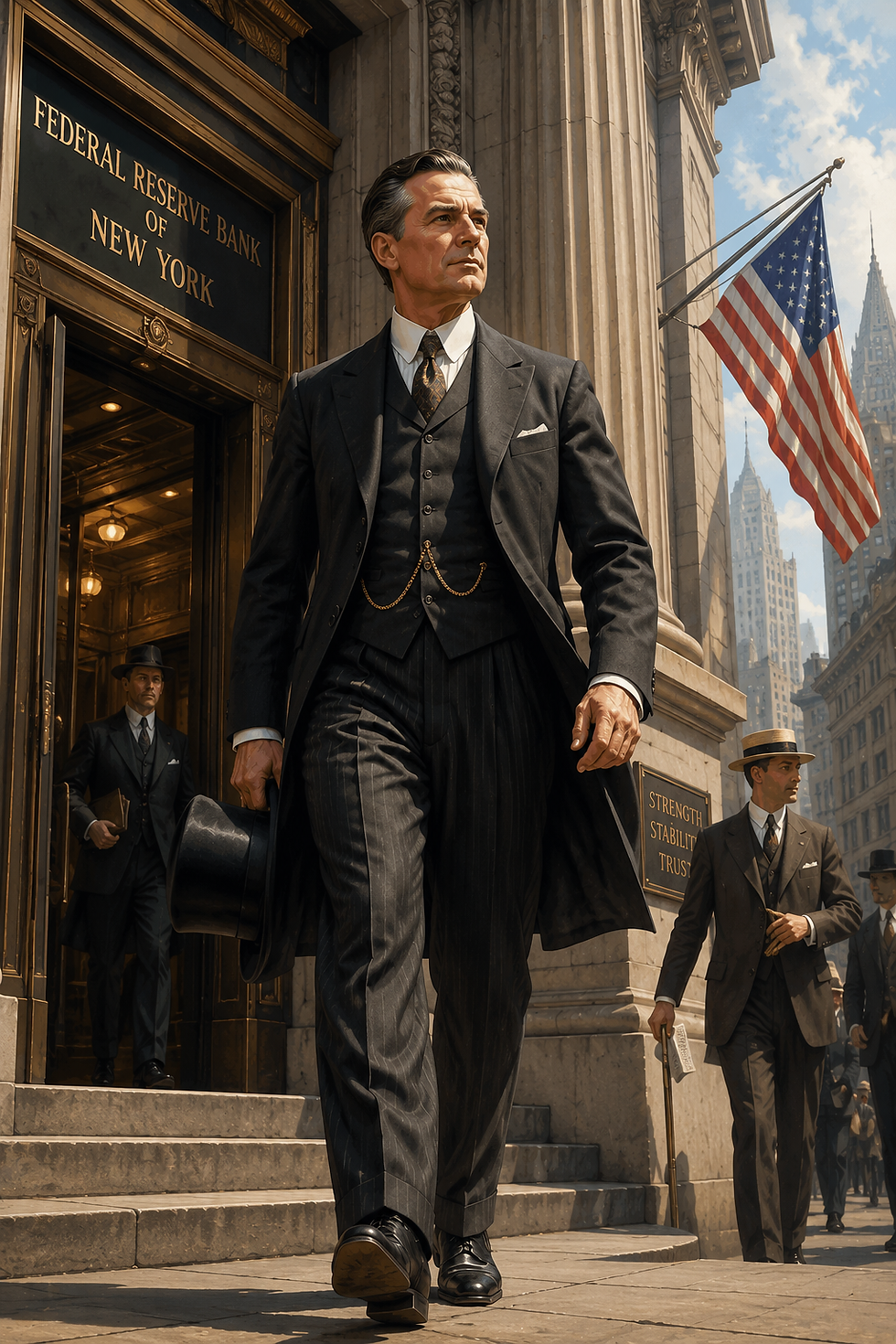
My Name is Benjamin Strong Jr.: Central Banker and Federal Reserve Leader
During the 1920s, I became one of the most influential financial leaders in the United States. As governor of the Federal Reserve Bank of New York, I helped guide the nation's banking system through years of rapid growth, prosperity, and change. Many people never heard my name, yet decisions I made affected businesses, banks, investors, and ordinary families across the country.
Building a Career in Banking
I was born in 1872 and entered the world of finance at a time when America was becoming an industrial giant. I worked my way through the banking industry and developed a reputation for understanding financial markets and economic stability. When the Federal Reserve System was created in 1913, I became deeply involved in helping the new institution establish its authority and purpose.
Leading During a New Era
As the governor of the New York Federal Reserve Bank, I believed that central banks should actively manage the economy rather than simply react to crises. This was a controversial idea in my day. Many bankers and politicians thought financial markets should largely be left alone. I disagreed. I believed that careful management of interest rates and the money supply could prevent economic disasters and keep prosperity growing.
My International Vision
After World War I, I worked closely with financial leaders in Europe. I believed the world's economies were connected and that international cooperation was essential for stability. Some Americans strongly opposed this approach. They wanted the United States to focus only on its own interests. I often struggled to understand why people resisted cooperation when the benefits seemed so obvious to me. In my view, helping stabilize foreign economies would ultimately help America as well.
The Boom Years
Throughout much of the 1920s, the American economy expanded rapidly. Businesses grew, consumers spent money, and investors poured funds into the stock market. I supported policies that kept credit available and encouraged economic growth. Critics warned that easy money could fuel dangerous speculation, but I believed the economy was strong enough to handle continued expansion. I often felt that those critics underestimated America's economic strength and adaptability.
Controversy and Criticism
Not everyone agreed with my decisions. Some believed I gave too much power to the Federal Reserve. Others thought I favored large banks and wealthy investors. There were also disagreements over whether interest rates should be raised to slow stock market speculation. I viewed many of these concerns as exaggerated. To me, the greater danger was restricting growth too soon and causing unnecessary economic hardship. I found it difficult to understand why so many people feared prosperity itself.
A Life Cut Short
For many years, I struggled with poor health, particularly tuberculosis. Despite my illness, I continued working because I believed the financial system needed steady leadership. In 1928, my health finally forced me to step back, and I died later that year. I did not live to see the stock market crash of 1929 or the Great Depression that followed.
Historians continue to debate my legacy. Some argue that my policies helped create the conditions for the prosperity of the 1920s. Others believe those same policies contributed to financial imbalances that became apparent after my death. Looking back, I can recognize that economic systems are more complex than any one person fully understands. While I acted according to what I believed was best for the nation, I have come to appreciate that reasonable people can see risks that others overlook.
The Rise of the Modern Consumer - Told by Benjamin Strong Jr.
When most people think of the Roaring Twenties, they imagine jazz music, automobiles, and booming cities. Yet one of the most important changes happened in the wallets and homes of ordinary Americans. Before the 1920s, many families saved money for months or even years before making major purchases. During the decade, however, Americans began embracing a new idea: buying things today and paying for them later. This shift helped create what we now call a consumer society.
The Power of Installment Plans
One of the biggest reasons for this change was the growing popularity of installment plans. Instead of paying the full price of an automobile, refrigerator, radio, or furniture set all at once, families could make a small down payment and then pay the rest over time. Suddenly, products that once seemed out of reach became available to millions of people. Companies discovered that sales increased dramatically when customers did not have to wait years to save enough money.
Credit Becomes Common
At the same time, banks and finance companies expanded access to credit. Borrowing money was not a new concept, but during the 1920s it became far more common for average Americans. Easy credit encouraged spending and fueled economic growth. People purchased homes, cars, and household appliances in numbers never seen before. Many Americans believed prosperity would continue indefinitely, making borrowing seem like a sensible decision rather than a risky one.
Advertising Creates Desire
Businesses also became much more sophisticated in how they advertised their products. National magazines, newspapers, billboards, and radio broadcasts reached millions of consumers. Advertisers no longer focused only on what a product did. They sold dreams, lifestyles, and social status. Owning the newest automobile, radio, or household appliance became a symbol of success and modern living. Americans were encouraged to believe that happiness could often be found through consumption.
The Automobile Leads the Way
No product better represented this transformation than the automobile. Companies such as the Henry Ford Ford Motor Company made cars more affordable through mass production. Installment plans allowed even more families to purchase vehicles. As automobile ownership expanded, it stimulated demand for roads, gas stations, restaurants, hotels, and countless other businesses. A single purchase often created opportunities throughout the economy.
A Prosperity Built on Spending
The rise of consumer spending helped fuel much of the economic growth of the 1920s. Factories produced more goods because consumers were buying more goods. Businesses hired workers to meet demand. Investors saw growing profits and poured money into expanding industries. The cycle of spending and growth created a sense that America had entered a new era of endless prosperity.
The Hidden Risks
Yet beneath the excitement, there were warning signs. Many families accumulated debt faster than their incomes grew. Some consumers assumed future prosperity would make repayment easy. Others borrowed beyond their means. Easy credit helped create economic growth, but it also made many households vulnerable when conditions changed. The benefits of borrowing were obvious during good times, while the dangers often remained hidden.
The Birth of Modern Consumer Culture
The purchasing habits that emerged during the 1920s helped shape modern America. Installment buying, advertising campaigns, consumer credit, and national brands became permanent features of the economy. The decade transformed Americans from cautious savers into active consumers, creating patterns that continue to influence shopping, borrowing, and spending today. To understand modern consumer culture, one must first understand the remarkable changes that took place during the Roaring Twenties.
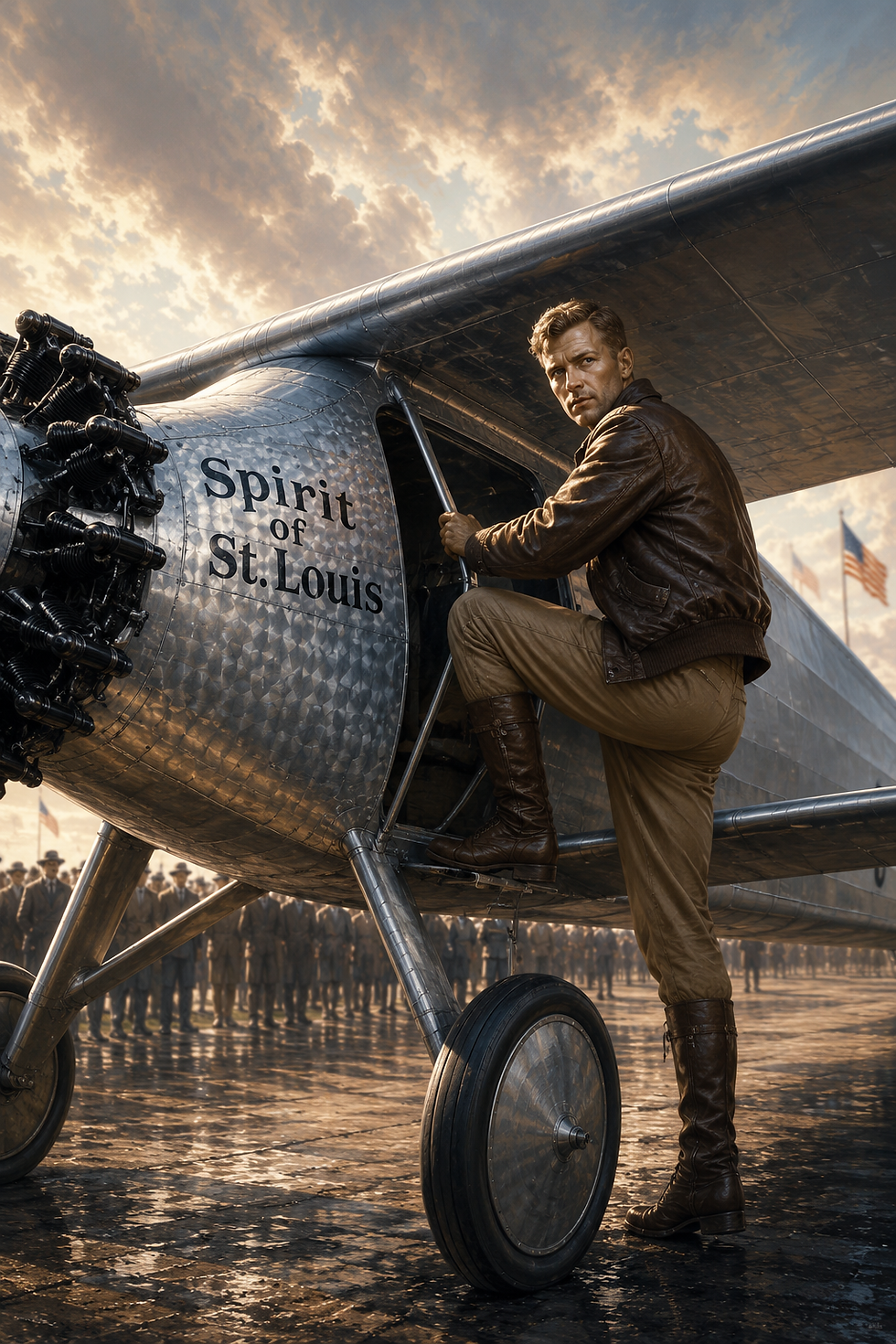
My Name is Charles Lindbergh: Aviator and Aviation Pioneer
Many people remember me as the man who flew alone across the Atlantic Ocean in 1927. That flight made me one of the most famous people in the world almost overnight. To some, I represented courage, innovation, and the future of aviation. To others, especially later in my life, I became a controversial figure whose opinions sparked intense disagreement.
Growing Up with a Love for Machines
I was born in Detroit, Michigan, in 1902 and grew up fascinated by engines, machinery, and the possibilities of flight. Airplanes were still new and dangerous when I was young. Many people viewed flying as a risky adventure, but I saw it as the future. I became a pilot and spent years barnstorming and flying air mail routes, gaining experience in all kinds of weather and conditions.
The Flight That Changed My Life
In 1927, I flew the Spirit of St. Louis from New York to Paris, becoming the first person to complete a solo nonstop flight across the Atlantic Ocean. The journey took more than thirty-three hours and captured the imagination of millions. Suddenly, I was celebrated everywhere I went. I believed the flight showed what determination, technology, and careful planning could accomplish.
Aviation and the Future
After my famous flight, I traveled the world promoting aviation. I believed airplanes would transform transportation, communication, and even international relations. I spent years studying aircraft technology and working with engineers and governments. To me, aviation was not merely a machine—it was a tool that could bring nations closer together and open opportunities that previous generations could barely imagine.
My Controversial Views on War
During the late 1930s and early 1940s, Europe moved toward another devastating war. I believed the United States should avoid entering the conflict. After observing European military power, especially Germany's growing air force, I became convinced that war would bring terrible destruction. I joined the America First movement and argued that America should focus on defending itself rather than becoming involved overseas. Many people strongly disagreed with me, but I struggled to understand why they thought entering another European war was the wiser choice.
Public Criticism and Division
My speeches generated enormous controversy. Critics accused me of being too sympathetic toward Germany or of underestimating dangerous political movements abroad. I believed I was speaking honestly about military realities and America's interests. The criticism surprised me because I viewed my position as practical and patriotic. As public opinion shifted, many Americans who had once admired me came to see me very differently.
Service During World War II
After the United States entered the war, I supported the American war effort despite my earlier opposition. Although I was not returned to active military service in the way I had hoped, I contributed as a civilian consultant and even flew combat missions in the Pacific. I remained committed to aviation and national defense, believing that technological innovation remained one of America's greatest strengths.
As I grew older, I spent more time reflecting on both my achievements and my mistakes. I realized that intelligence, experience, and sincere intentions do not guarantee correct conclusions. While I still believed many of my concerns were genuine, I came to understand why others viewed some of my statements and associations with suspicion. History often reveals complexities that are difficult to see in the moment.
Electricity, Appliances, and Everyday Life - Told by Charles Lindbergh
When people think about technological progress during the 1920s, they often picture airplanes soaring through the skies or automobiles racing down new highways. Yet some of the most important changes were taking place inside ordinary homes. Electricity was spreading across America, bringing with it a wave of inventions that transformed how families worked, cooked, cleaned, communicated, and spent their free time. The technological revolution was not only changing cities and industries—it was changing everyday life.
The Spread of Electric Power
At the beginning of the twentieth century, many American homes still relied on kerosene lamps, wood-burning stoves, and manual labor for daily tasks. By the 1920s, electric power lines were reaching more communities, especially in urban areas. Homes that gained access to electricity suddenly had opportunities that previous generations could scarcely imagine. A simple flip of a switch could provide light that was brighter, safer, and more reliable than anything that had come before.
The Rise of Household Appliances
Manufacturers quickly introduced new appliances designed to save time and effort. Electric refrigerators helped preserve food longer and reduced the need for daily trips to markets. Washing machines lessened the burden of laundry, while vacuum cleaners made housecleaning faster and more effective. Electric irons, toasters, and other devices became symbols of modern living. Tasks that once required hours of labor could now be completed much more quickly.
Changing the Daily Routine
These inventions reshaped how families organized their lives. Homemakers, who often spent much of their day performing physically demanding chores, found that appliances could reduce some of the workload. While household responsibilities did not disappear, many tasks became more efficient. Families also benefited from better food storage, improved sanitation, and greater convenience. Technology was giving people more control over their time.
Entertainment Comes Home
Electricity also transformed leisure and entertainment. Radios became one of the most popular household devices of the decade. Families gathered in living rooms to listen to news broadcasts, music programs, sporting events, and dramatic performances. For the first time, millions of Americans could share the same entertainment experiences regardless of where they lived. The radio helped create a more connected national culture.
Cities Advance Faster Than Rural Areas
Not every American experienced these changes at the same pace. Many rural communities remained without electricity throughout much of the 1920s. Farm families often continued using older methods while city residents enjoyed modern conveniences. This difference highlighted an important challenge of the era: technological progress was spreading rapidly, but it was not reaching everyone equally. The gap between urban and rural life remained significant.
A New Faith in Technology
As Americans witnessed these innovations, many developed tremendous confidence in technology. Each new invention seemed to promise a better future. If electricity could transform homes, people wondered what other breakthroughs might soon appear. This spirit of optimism fueled investment, innovation, and public excitement throughout the decade. Many believed technology could solve nearly any problem.
The Legacy of Electrical Living
The changes brought by electricity during the 1920s continue to shape our lives today. Modern homes filled with appliances, electronic devices, and instant communication all trace part of their history back to this remarkable era. The spread of electricity did more than power machines—it altered routines, expectations, and lifestyles. It helped create the modern world, one household at a time.
Aviation and the Spirit of Innovation - Told by Charles Lindbergh
When the Wright brothers achieved powered flight in 1903, many people viewed airplanes as little more than curiosities. The machines were fragile, noisy, and unreliable. Yet within a few decades, aviation had advanced at a remarkable pace. By the 1920s, Americans were witnessing a technological revolution that seemed to prove that human ingenuity had no limits. Airplanes became symbols of progress, courage, and the belief that tomorrow could be better than today.
The Race to Conquer Distance
For centuries, oceans, mountains, and vast stretches of land had separated people and nations. Airplanes began changing that reality. Pilots flew farther, higher, and faster each year. Air mail services connected distant cities, while aviation companies experimented with commercial passenger flights. What once required days or weeks of travel could increasingly be accomplished in hours. Americans watched these developments with fascination and excitement.
The Flight of the Spirit of St. Louis
In 1927, my solo nonstop flight across the Atlantic Ocean from New York to Paris captured the attention of the world. The journey covered more than 3,600 miles and lasted over thirty-three hours. While the flight itself was an aviation achievement, its greater significance was what it represented. Millions of people suddenly believed that barriers once thought impossible to overcome could, in fact, be conquered through determination, science, and innovation.
A Nation Inspired by Technology
The excitement surrounding aviation spread far beyond airports and airfields. Newspapers filled their pages with stories about pilots and technological breakthroughs. Children dreamed of becoming aviators. Investors poured money into aviation companies. The airplane became one of the most visible examples of how rapidly technology was transforming society. If humans could fly across oceans, many Americans wondered what other incredible achievements might soon become reality.
Innovation Beyond Aviation
The spirit of innovation extended into nearly every area of life during the 1920s. New automobiles rolled off assembly lines, radios connected millions of listeners, household appliances reduced labor, and advances in medicine improved public health. Aviation became a symbol for all these changes. It represented the idea that technology could solve problems, expand opportunities, and improve the quality of life for future generations.
The Risks of Optimism
This enthusiasm also encouraged a powerful sense of confidence. Many Americans came to believe that technological progress would continue indefinitely. Businesses expanded, investors speculated, and consumers eagerly embraced new products. While innovation brought tremendous benefits, it also contributed to a belief that prosperity and advancement were guaranteed. History would later show that progress often comes with challenges as well as opportunities.
The Lasting Legacy of the Aviation Age
The aviation breakthroughs of the 1920s helped shape the modern world. Commercial airlines eventually connected continents, transformed trade, and made global travel possible for millions of people. More importantly, aviation inspired a generation to think beyond existing limitations. The airplane taught Americans that extraordinary achievements could emerge from bold ideas, careful planning, and relentless effort.
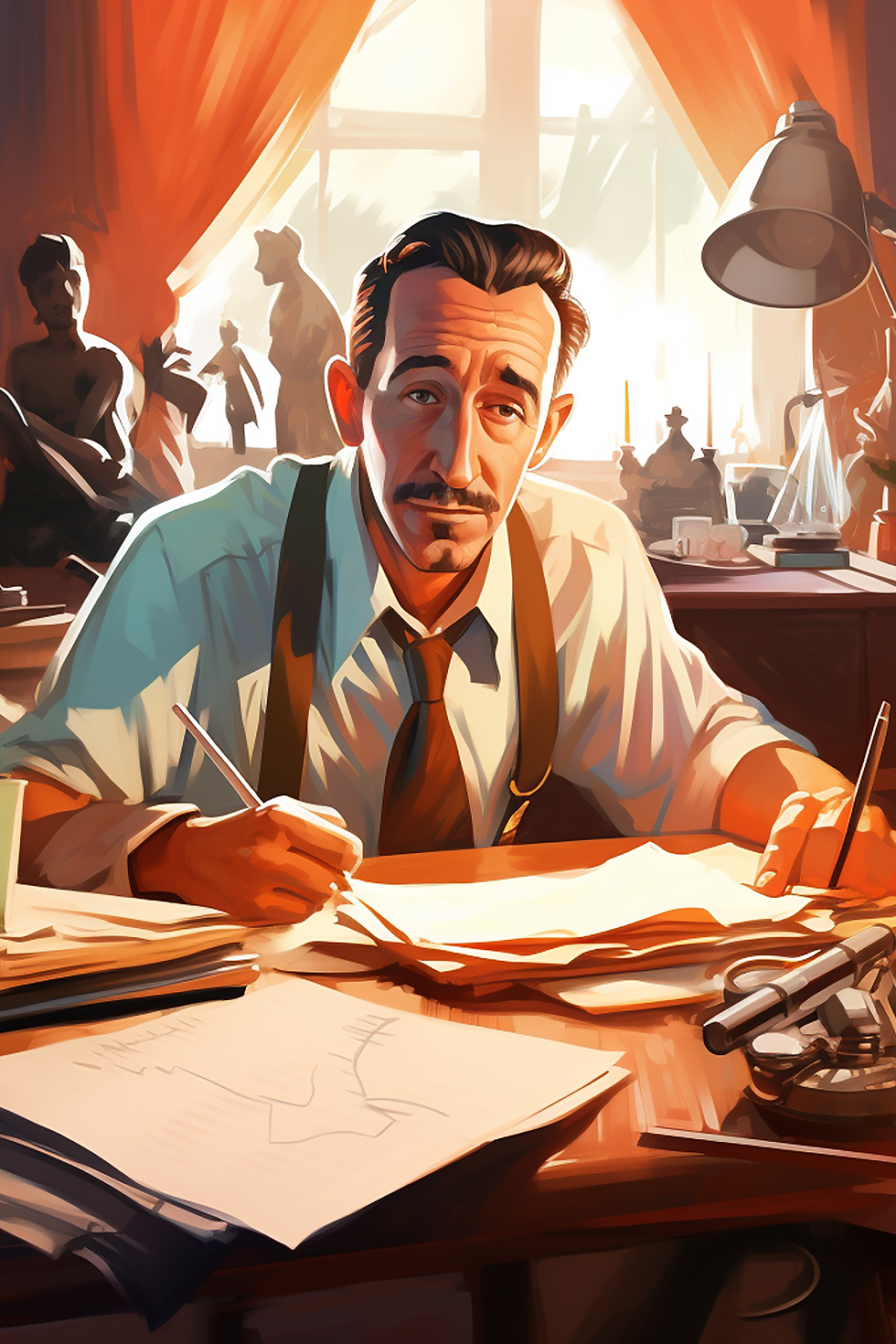
My Name is Walt Disney: Animator, Entrepreneur, and Entertainment Pioneer
I spent my life trying to create worlds that inspired imagination, laughter, and wonder. What began as a young man's dream of drawing cartoons eventually became a company that reached millions of people around the world. While many remember the characters and stories I helped create, my journey was filled with setbacks, risks, controversies, and disagreements that shaped who I became.
A Boy Who Loved to Draw
I was born in Chicago in 1901 and spent much of my childhood drawing whenever I had the chance. My family moved often, and life was not always easy. As a young man, I worked various jobs and even served as a Red Cross ambulance driver after World War I. Through it all, I remained convinced that art and storytelling could become something much larger than most people imagined.
Building an Animation Empire
In the 1920s, I moved to California and started building an animation studio with my brother Roy. Success did not come immediately. I lost characters, struggled financially, and faced business failures. Yet I kept pushing forward because I believed animation could become a serious form of entertainment. Many people viewed cartoons as simple novelties, but I saw endless possibilities that others could not yet see.
The Creation of Mickey Mouse
When I lost the rights to one of my early characters, I helped create Mickey Mouse. The character became an enormous success and opened doors that had never existed before. Soon, we were producing sound cartoons, color cartoons, and eventually feature-length animated films. Critics often said my ideas were too ambitious or too expensive, but I rarely understood why people wanted to settle for ordinary when something extraordinary seemed possible.
A Perfectionist Leader
As my company grew, I demanded high standards from employees and artists. I believed excellence required discipline, hard work, and constant improvement. Some people admired this approach, while others thought I expected too much. I often struggled to understand why everyone did not share my obsession with quality. To me, creating the best possible work was simply common sense.
The Labor Disputes
One of the most controversial periods of my life came during labor disputes and strikes at my studio in the 1940s. Employees sought greater influence, higher wages, and union representation. I viewed many of the organizers as threatening the company I had spent years building. The conflict became bitter, and I found it difficult to understand why people believed confrontation was the best solution. From my perspective, I was protecting the future of the studio and the jobs it provided.
Politics and Public Criticism
My political views also generated controversy. I became strongly opposed to communism and worried about its influence in American institutions. Some people agreed with my concerns, while others believed I exaggerated the threat. I often felt that critics misunderstood my intentions. I saw myself as defending freedom and opportunity, while opponents sometimes portrayed me as overly suspicious or politically motivated.
Dreaming Bigger Than Cartoons
Later in life, I turned my attention toward creating Disneyland and imagining future communities shaped by technology and innovation. Many people thought these ideas were unrealistic or impossible. Yet I had spent my life hearing that my dreams were too large. I believed progress came from imagining what did not yet exist and working relentlessly to bring it into reality.
As I reflect on my life, I recognize that determination can sometimes make it difficult to appreciate the concerns of others. While I remained committed to my vision, I came to understand that people can disagree honestly about business, politics, and leadership. Not every criticism came from bad intentions, and not every conflict had a simple answer.
New Forms of Mass Communication - Told by Walt Disney
During the 1920s, America experienced a communication revolution unlike anything in its history. For generations, people had relied primarily on newspapers, local gatherings, and word of mouth to learn about events. Suddenly, new technologies allowed millions of Americans to hear the same voices, watch the same stories, and encounter the same advertisements regardless of where they lived. The nation was becoming more connected than ever before.
The Rise of Radio
Perhaps no invention symbolized this transformation better than the radio. By the end of the decade, millions of homes owned radio sets. Families gathered around them each evening to hear music, comedy programs, sporting events, news reports, and speeches from political leaders. A farmer in Kansas, a factory worker in Detroit, and a family in New York could all listen to the same broadcast at the same time. Radio helped create a shared national experience that had never existed on such a scale.
Movies Become a National Passion
At the same time, motion pictures became one of the most popular forms of entertainment in the country. Movie theaters appeared in cities and towns across America, attracting millions of visitors each week. Silent films gave rise to famous stars whose names became known nationwide. Then, in the late 1920s, sound films transformed the industry. Audiences could now hear actors speak and sing, making the movie experience even more powerful and immersive.
The Birth of National Celebrities
These new forms of communication created a new kind of fame. Actors, musicians, athletes, and entertainers became household names across the nation. People who had never met one another often shared the same favorite performers and followed the same stories. This helped create a common culture that crossed regional boundaries. Americans increasingly viewed themselves as part of a larger national community connected by shared experiences.
Advertising Reaches Millions
Businesses quickly recognized the opportunities created by radio and movies. Advertisers used these platforms to introduce products to audiences across the country. Companies developed memorable slogans, recognizable brand names, and persuasive campaigns designed to encourage purchasing. Consumers no longer learned about products only from local merchants. National advertising helped shape tastes, habits, and buying decisions on an unprecedented scale.
A Shared American Culture Emerges
As radio broadcasts, films, and advertisements reached more households, Americans began sharing common references, songs, stories, and trends. Regional differences still existed, but people increasingly participated in a national culture. New dances, popular songs, fashion trends, and entertainment programs spread rapidly from coast to coast. Technology was helping create a more unified cultural experience for millions of citizens.
Opportunities and Influence
Mass communication brought tremendous benefits. Information traveled faster, entertainment reached wider audiences, and businesses connected with customers more effectively. Yet these technologies also gave broadcasters, filmmakers, and advertisers enormous influence over public opinion and consumer behavior. The same tools that informed and entertained could also shape attitudes, preferences, and beliefs.
The Foundation of Modern Media
The communication revolution of the 1920s laid the foundation for the media-driven world we know today. Television, the internet, streaming services, and social media all trace part of their heritage to the innovations of this era. Radio, movies, and national advertising transformed America by creating shared experiences that connected people across great distances. For the first time, millions of Americans were not merely living in the same nation—they were increasingly experiencing the same culture together.
The Birth of Modern Entertainment Industries - Told by Walt Disney
The 1920s were more than a decade of prosperity and technological progress—they were the years when entertainment became one of the most powerful industries in America. Before this period, entertainment was often local. People attended community events, watched traveling performers, or visited small theaters. During the Roaring Twenties, however, new technologies and growing cities allowed entertainment to reach millions of people simultaneously. What had once been a pastime became a major business and cultural force.
Hollywood Takes Center Stage
The motion picture industry grew rapidly during the decade. Hollywood emerged as the center of American filmmaking, attracting actors, writers, directors, and entrepreneurs from across the country. Movie theaters appeared in large cities and small towns alike, drawing audiences eager to escape into exciting stories and glamorous worlds. Film stars became national celebrities, and their influence extended far beyond the screen into fashion, language, and popular culture.
The Arrival of Sound
One of the most important breakthroughs came in 1927 with the release of The Jazz Singer, one of the first successful feature-length films with synchronized sound. Audiences were amazed to hear actors speak and sing. The transition from silent films to "talkies" transformed the industry almost overnight. Studios invested heavily in new technology, and filmmakers discovered new ways to tell stories that captivated audiences.
Radio Enters Millions of Homes
At the same time, radio became a powerful form of entertainment. Families gathered around radio sets to enjoy music, comedy programs, dramas, sports broadcasts, and news reports. Unlike theaters, radio brought entertainment directly into the home. It created national audiences and turned performers into household names. For the first time, millions of Americans could share the same entertainment experience regardless of where they lived.
Animation Finds Its Audience
The 1920s also witnessed the growth of animation as a serious form of entertainment. Animated shorts became popular features in movie theaters. Advances in technology allowed animators to create more complex and engaging characters. In 1928, Mickey Mouse appeared in Steamboat Willie, one of the first cartoons to successfully combine animation with synchronized sound. This moment demonstrated that animation could become an important part of the entertainment industry rather than a simple novelty.
Entertainment as Big Business
As audiences grew, entertainment became a major economic engine. Studios, theaters, radio networks, advertisers, and publishers employed thousands of people. Investments poured into the industry as companies recognized its enormous profit potential. Entertainment was no longer merely about amusement—it had become an important sector of the American economy, generating jobs, revenue, and technological innovation.
Shaping American Culture
The influence of entertainment extended beyond economics. Movies, radio programs, music, and cartoons helped shape public attitudes, trends, and values. Americans from different regions increasingly shared common stories, songs, and cultural references. Entertainment became a powerful force in creating a national culture, helping people feel connected to events and personalities across the country.
The entertainment industries that emerged during the 1920s laid the foundation for modern media. Television, streaming services, theme parks, video games, and digital content all grew from ideas and innovations that began during this transformative decade. The Roaring Twenties showed that entertainment could do more than fill spare time—it could influence culture, drive economic growth, and become one of the defining industries of the modern world.
Changing Ideas About Youth and Individual Freedom - Told by Alice Paul
The young Americans of the 1920s grew up in a world very different from that of their parents. They had witnessed the aftermath of World War I, the spread of new technologies, and rapid social change. Many began questioning traditions that earlier generations had accepted without debate. For the first time, large numbers of young people openly embraced the idea that individuals should have greater freedom to choose how they lived, dressed, worked, and spent their leisure time.
Breaking Away from Old Expectations
Throughout the nineteenth century, American society often emphasized conformity, strict social rules, and clearly defined roles for men and women. During the 1920s, many young people challenged those expectations. They sought greater independence from parents, churches, and community leaders. While respect for family remained important, younger Americans increasingly wanted the freedom to make personal decisions about education, careers, relationships, and recreation.
The Rise of Youth Culture
One of the most significant developments of the decade was the emergence of a distinct youth culture. High schools expanded, colleges enrolled more students, and young people spent more time with peers their own age. Music, sports, movies, and social gatherings became important parts of teenage and young adult life. Businesses even began marketing products specifically to younger consumers, recognizing their growing influence on American culture.
New Opportunities for Women
Young women became some of the most visible symbols of changing attitudes. The passage of the Nineteenth Amendment gave women the right to vote, while increasing educational and employment opportunities expanded their choices. Some women adopted shorter hairstyles, modern fashions, and more active social lives. Although not all women embraced these trends, they reflected a broader desire for personal freedom and greater control over one's future.
Technology Expands Freedom
Automobiles played a major role in changing social life. Young people could travel farther from home, visit friends more easily, and participate in activities that previous generations could not. Radios exposed listeners to new music and ideas from across the nation. Motion pictures introduced audiences to different lifestyles and viewpoints. These technologies expanded horizons and encouraged people to think beyond the traditions of their local communities.
A Nation Divided Over Change
Not everyone welcomed these developments. Many Americans worried that traditional values were being weakened. Religious leaders, educators, and parents often expressed concern about changing fashions, popular entertainment, and shifting social behaviors. Debates over morality, family life, and cultural change became common. The 1920s were not simply an era of freedom; they were also a period of intense disagreement about what freedom should look like.
The Meaning of Individual Freedom
For many young Americans, freedom meant the opportunity to shape their own lives rather than follow paths chosen by others. They wanted the ability to pursue education, careers, hobbies, and relationships according to their own interests and goals. This growing emphasis on individual choice became one of the defining characteristics of the decade and influenced many aspects of American society.
The Growth of National Brands and Consumer Culture - Told by Benjamin Strong
Before the twentieth century, most Americans purchased goods from local merchants who often carried products made nearby. Consumers frequently relied on the reputation of individual store owners rather than the reputation of manufacturers. By the 1920s, however, improvements in transportation, communication, and manufacturing allowed companies to sell the same products across the entire nation. America was becoming a national marketplace, and businesses quickly learned how to take advantage of this opportunity.
The Rise of Recognizable Brands
As products reached larger audiences, companies began creating recognizable brand names and trademarks. Consumers became familiar with products that looked and tasted the same whether purchased in New York, Chicago, Dallas, or Los Angeles. Businesses realized that a trusted brand could encourage customers to choose their products over those of competitors. National brands became symbols of quality, consistency, and reliability in an increasingly crowded marketplace.
Advertising Changes Everything
The growth of magazines, newspapers, radio broadcasts, and billboards gave businesses new ways to reach consumers. Advertising became far more sophisticated than simply describing a product's features. Companies learned how to appeal to emotions, aspirations, and lifestyles. Advertisements suggested that purchasing certain products could bring happiness, success, popularity, or convenience. Consumers were no longer buying only goods—they were often buying ideas and experiences.
Mass Production Meets Mass Consumption
American factories became incredibly efficient during the 1920s. Mass production techniques allowed businesses to manufacture goods in enormous quantities and at lower costs. Automobiles, household appliances, clothing, and packaged foods became more affordable for average families. To keep factories operating at full capacity, businesses needed consumers to continue purchasing products. This connection between production and consumption became one of the defining features of the modern economy.
Creating a Consumer Culture
As advertising expanded and products became more accessible, consumer spending became an important part of American life. People increasingly viewed shopping as more than a necessity. Purchasing the latest automobile, radio, or household appliance became a way to demonstrate progress and participate in modern society. Businesses encouraged consumers to replace older products with newer models, helping create a culture that valued innovation and continual consumption.
The Role of Credit
Installment plans and consumer credit played a major role in this transformation. Families no longer needed to save for years before making major purchases. By spreading payments over time, consumers could enjoy products immediately while paying later. This system expanded the market for countless goods and helped fuel economic growth throughout the decade. Credit made consumer culture accessible to millions of Americans.
A Shared National Experience
National brands also helped create a more unified American culture. Families across the country listened to the same advertisements, purchased many of the same products, and recognized the same company names. Whether someone lived in a large city or a small town, they increasingly participated in a common consumer experience. Businesses helped connect Americans through shared products and shared marketing messages.
The Foundation of Modern Marketing
The growth of national brands during the 1920s transformed how businesses interacted with consumers. The strategies developed during this era—branding, advertising campaigns, consumer research, and installment buying—continue to influence modern commerce. The Roaring Twenties demonstrated that businesses could reach millions of people at once, helping create the consumer culture that remains a central part of American economic life today.
Warning Signs Beneath the Prosperity - Told by Benjamin Strong Jr.
To many Americans, the 1920s appeared to be an age of limitless prosperity. Factories produced record amounts of goods, stock prices climbed steadily upward, and consumers eagerly purchased new products. Newspapers celebrated economic growth, and investors became increasingly confident that prosperity would continue indefinitely. Yet beneath the excitement and optimism, several warning signs suggested that the economy was not as strong as it appeared on the surface.
The Growing Use of Debt
One of the most significant warning signs was the rapid growth of debt. Millions of Americans used installment plans to purchase automobiles, radios, furniture, and household appliances. While this allowed families to enjoy modern conveniences sooner, it also meant many households owed money that had not yet been earned. As long as jobs remained plentiful and wages continued flowing, the system worked. However, if incomes declined or unemployment increased, many families could quickly find themselves struggling to make payments.
The Dangerous Rise of Stock Market Speculation
Another concern involved the stock market. Investing had become popular across the nation, attracting not only wealthy individuals but also ordinary citizens hoping to build fortunes. Many investors purchased stocks on margin, meaning they borrowed much of the money needed to buy shares. If stock prices rose, profits could be substantial. But if prices fell, losses could be devastating. Increasingly, people were buying stocks not because they believed in a company's long-term success but because they expected prices to keep rising.
Prosperity Was Not Shared Equally
Although the economy was growing, the benefits were not distributed evenly. Many business owners and investors accumulated enormous wealth during the decade. At the same time, large numbers of farmers struggled with declining crop prices and mounting debt. Some industrial workers saw wages rise, but others faced unstable employment or limited opportunities. The prosperity that appeared so widespread in newspaper headlines often looked very different in rural communities and among lower-income families.
Factories Outpace Consumers
American businesses became incredibly efficient at producing goods. Factories manufactured automobiles, appliances, and consumer products at unprecedented rates. Yet there was a growing risk that production might eventually exceed demand. If consumers could not continue purchasing products at the same pace, businesses would be forced to slow production, reduce hiring, or lay off workers. The economy depended heavily on continued spending and confidence.
Confidence Becomes a Risk
Perhaps the most dangerous warning sign was the widespread belief that prosperity could never end. Success often encourages confidence, but excessive confidence can lead people to ignore risks. Investors assumed stock prices would continue rising. Consumers assumed future income would cover present debts. Businesses assumed demand would continue growing forever. As caution disappeared, vulnerability increased. Economic systems are strongest when people recognize both opportunities and risks.
A Fragile Foundation
Looking back, the economy of the late 1920s resembled a structure built on a combination of genuine strength and hidden weaknesses. American industry was productive, innovation was thriving, and many families enjoyed improved living standards. Yet debt, speculation, and unequal wealth distribution created pressures beneath the surface. The prosperity was real, but parts of it rested on foundations that were less stable than many people realized.
Lessons Hidden in Success
The warning signs of the Roaring Twenties remind us that economic success can sometimes conceal underlying problems. Periods of growth often encourage optimism, but wise observers must also look for weaknesses that could threaten future stability. The story of the late 1920s teaches that prosperity is strongest when it is broad, sustainable, and supported by careful attention to both opportunity and risk.
Lessons from the Crash of 1929 - Told by Benjamin Strong Jr.
The stock market crash of 1929 shocked the nation and changed the course of American history. Throughout much of the Roaring Twenties, investors, businesses, and consumers believed prosperity would continue indefinitely. Stock prices climbed year after year, and many people came to view investing as a guaranteed path to wealth. Yet in October 1929, confidence suddenly gave way to fear. As stock prices fell, millions of investors rushed to sell, creating a panic that exposed weaknesses that had been building beneath the surface for years.
The Danger of Speculation
One of the most important lessons from the crash concerns speculation. Investing is based on the belief that a company will create value over time. Speculation, however, often focuses on short-term price increases rather than long-term fundamentals. During the late 1920s, many people purchased stocks simply because they expected prices to continue rising. As more investors joined the market, prices climbed even higher, creating a cycle driven more by optimism than by economic reality. When confidence disappeared, the cycle reversed with devastating speed.
Borrowing to Chase Wealth
Many investors purchased stocks on margin, meaning they borrowed money to buy shares. This allowed people to control large investments with relatively little of their own money. While this strategy increased profits when prices rose, it also magnified losses when prices fell. As stock values declined, lenders demanded repayment, forcing investors to sell even more shares. The widespread use of borrowed money helped turn a market decline into a financial disaster.
The Risks of Ignoring Warning Signs
The years before the crash contained numerous warning signs. Debt levels were rising, wealth was concentrated unevenly, and stock prices were increasing much faster than many businesses' actual earnings. Yet during periods of prosperity, people often become less concerned about risk. Success can create a belief that past gains will continue indefinitely. The crash demonstrated the danger of assuming that economic growth has no limits.
Fear Spreads Beyond Wall Street
The consequences of the crash extended far beyond investors. Banks that had made risky loans faced financial difficulties. Businesses reduced production as consumer spending declined. Workers lost jobs, and families struggled to meet financial obligations. What began as a stock market collapse eventually contributed to a broader economic downturn. The crash revealed how interconnected modern economies had become and how problems in one area could spread throughout society.
The Importance of Balance
Another lesson from the crash is the importance of balancing optimism with caution. Economic growth requires investment, innovation, and confidence. However, healthy growth also requires careful risk management and realistic expectations. Excessive optimism can encourage decisions that appear reasonable during prosperous times but become dangerous when conditions change. Strong economies depend not only on opportunity but also on discipline.
The Need for Oversight
The crash also encouraged Americans to reconsider the role of financial oversight. In the years that followed, new regulations and institutions were developed to increase transparency, strengthen banking systems, and reduce certain types of financial risk. While no system can eliminate economic downturns entirely, the lessons of 1929 demonstrated the value of understanding risks before they become crises.
A Lesson for Every Generation
The story of the Crash of 1929 remains relevant because human nature changes far more slowly than technology or markets. Every generation experiences periods of excitement, innovation, and opportunity. Yet history reminds us that excessive risk, unchecked speculation, and overconfidence can threaten even the strongest economies. The greatest lesson of 1929 is that lasting prosperity is built not only on growth but also on wisdom, caution, and a clear understanding of risk.
How the Roaring Twenties Shaped the 1930s and 1940s - Told by Charles Lindbergh
When people think of the Roaring Twenties, they often focus on jazz music, stock market speculation, and cultural change. Yet the decade's most lasting impact may have been the technological and industrial foundations it created for the future. Although the prosperity of the 1920s ended with the Crash of 1929, many of the innovations developed during that era continued shaping American life throughout the 1930s and 1940s. The ideas, inventions, and industries of the Roaring Twenties helped prepare the nation for challenges and opportunities that were still to come.
Factories Become More Powerful
During the 1920s, American manufacturers perfected mass-production techniques that allowed goods to be produced faster and more efficiently than ever before. Assembly lines, standardized parts, and improved management practices transformed industry. When the Great Depression struck in the 1930s, these capabilities remained in place. Later, during World War II, the same industrial systems that had produced automobiles and household goods were adapted to manufacture airplanes, tanks, ships, and military equipment on an enormous scale.
The Growth of Aviation
Aviation advanced dramatically during the Roaring Twenties. Improvements in aircraft design, navigation, engines, and public confidence laid the foundation for future growth. During the 1930s, commercial airlines expanded routes and improved passenger service. By the 1940s, aviation had become one of the most important elements of modern warfare. Aircraft developed during this period helped change military strategy, transportation, and international travel for generations to come.
Technology Continues Moving Forward
The technological optimism of the 1920s encouraged inventors, engineers, and scientists to pursue even greater achievements. Radios became more common and sophisticated during the 1930s. Advances in communications improved the ability of governments, businesses, and families to stay connected. Electrical infrastructure continued expanding, bringing modern conveniences to more communities. Many technologies that became essential during World War II had roots in research and development that accelerated during the Roaring Twenties.
A More Connected Nation
The expansion of highways, automobiles, and communication networks during the 1920s helped create a more connected America. By the 1930s and 1940s, people could travel farther, exchange information more quickly, and participate more fully in national events. Radio broadcasts united Americans during difficult times such as the Great Depression and World War II. The communication systems developed during the previous decade helped strengthen a sense of national identity.
Preparing for Wartime Production
Perhaps the most dramatic example of the 1920s' influence came during World War II. American factories, transportation systems, and technological expertise allowed the nation to mobilize on an unprecedented scale. The industrial strength that helped supply Allied forces around the world did not appear overnight. It was built upon decades of innovation, investment, and industrial growth, much of which accelerated during the Roaring Twenties.
The Lessons of Innovation
The decade also taught Americans to believe in the power of innovation. New technologies had transformed everyday life during the 1920s, encouraging the belief that human ingenuity could overcome difficult challenges. That confidence proved valuable during the hardships of the Great Depression and the global conflict of World War II. Americans continued investing in research, engineering, and technological advancement because they had already witnessed the remarkable results such efforts could produce.
A Legacy Beyond Prosperity
The Roaring Twenties ended in economic collapse, but its technological legacy endured. The factories, transportation networks, communication systems, and spirit of innovation developed during that decade helped shape the modern world. The advances of the 1920s influenced not only the 1930s and 1940s but also many of the technological achievements that followed. The decade's greatest contribution may not have been its prosperity, but the foundation it built for future generations.
The Cultural Legacy of the Roaring Twenties - Told by Walt Disney
The Roaring Twenties was more than an era of economic growth and technological progress. It was a decade that transformed how Americans spent their free time, entertained themselves, and connected with one another. The foundations built during these years shaped music, film, radio, sports, and popular culture for generations. Even after the stock market crashed in 1929, the cultural changes of the decade continued influencing American life throughout the twentieth century and beyond.
The Rise of Shared Entertainment
Before the 1920s, entertainment was often local and limited. Families attended community events, read books, listened to live music, or participated in social gatherings. During the Roaring Twenties, radio broadcasts and motion pictures allowed millions of people to enjoy the same stories, songs, and performers. Americans from different regions began sharing common cultural experiences. This helped create a national culture that united people through entertainment in ways that had never been possible before.
Music That Changed the Nation
The decade saw the rise of jazz, blues, and other popular musical styles that influenced generations of musicians. Radio stations carried these sounds across the country, introducing audiences to artists and genres they might never have encountered otherwise. Music became more accessible and more influential. The rhythms and styles that gained popularity during the 1920s helped shape much of the music that followed in later decades.
Movies Become a Cultural Force
Motion pictures also transformed American culture. Silent films evolved into talking pictures, creating a new level of storytelling and emotional connection. Movie stars became national icons, and theaters became gathering places for communities. The techniques, storytelling methods, and business models developed during the 1920s established Hollywood as one of the world's most influential entertainment centers.
More Time for Family Life
Technological advances changed life inside the home as well. Electric appliances reduced the time required for many household chores. Improvements in productivity allowed many workers to enjoy more leisure time than previous generations. As a result, families increasingly found opportunities to spend time together rather than working from sunrise to sunset every day. Evenings could be spent listening to radio programs, attending movies, playing games, reading stories, or simply enjoying one another's company. Entertainment became an important part of family life.
The Growth of Animation and Imagination
The 1920s also marked the beginning of animation as a major form of entertainment. When Mickey Mouse appeared in Steamboat Willie in 1928, audiences witnessed one of the earliest successful uses of synchronized sound in animation. My goal was never simply to create cartoons. I wanted to create characters and stories that families could enjoy together. I believed imagination had the power to bring people closer, encourage creativity, and inspire audiences of all ages. The growth of animation opened new possibilities for storytelling that continue to influence entertainment today.
Building a Culture of Creativity
The cultural changes of the Roaring Twenties encouraged Americans to dream bigger. Writers, musicians, filmmakers, artists, and entertainers explored new ideas and new ways of reaching audiences. Creativity became an important part of American identity. The entertainment industries that emerged during the decade created opportunities for countless future innovators and storytellers.
A Legacy That Still Lives Today
The cultural legacy of the Roaring Twenties remains visible everywhere. Modern movies, television programs, streaming services, music industries, animation studios, and family entertainment all trace part of their origins to this remarkable decade. The era helped create a world where families could gather around shared stories, where imagination became a powerful cultural force, and where entertainment became an important part of everyday life. The Roaring Twenties did more than entertain a generation—it helped shape the culture of the modern world.
The Roaring Twenties and Modern America - Told by Charles Lindbergh, Walt Disney, Benjamin Strong Jr., and Alice Paul
Charles Lindbergh: When people study the Roaring Twenties, they often think of it as a chapter that ended with the Crash of 1929. Yet I would argue that the decade never truly ended. The technologies that emerged during those years transformed transportation, communication, and industry. Modern air travel, nationwide communication networks, and the belief that innovation could solve great challenges all grew stronger because of the foundations laid during the 1920s.
Walt Disney: I agree. The same can be said for entertainment. During the 1920s, radio, movies, animation, and mass communication began reaching audiences on a national scale. Today, families watch movies, stream shows, play games, and share stories using technologies that did not exist in my era, but the basic idea remains the same. The Roaring Twenties helped create a culture where entertainment became a major part of everyday life and where stories could bring millions of people together.
The Birth of Modern Consumer Culture
Benjamin Strong Jr.: The modern economy also owes much to the 1920s. Businesses learned how to market products to national audiences, and consumers became accustomed to purchasing goods through credit and installment plans. Advertising evolved into a powerful force capable of shaping preferences and encouraging spending. Many of the consumer habits we see today—buying on credit, responding to advertising campaigns, and pursuing new products—can trace their origins to that decade.
Alice Paul: Yet consumer culture was not the only transformation. The decade also changed how many Americans thought about individual opportunity. Women had gained the right to vote, and increasing numbers entered colleges, professions, and public life. Expectations began shifting. Although true equality remained far away, the conversations that started during the 1920s helped shape future movements seeking greater rights and opportunities for women.
Lessons from Success and Failure
Charles Lindbergh: One reason the Roaring Twenties remains so important is that it demonstrated both the strengths and weaknesses of progress. Technological innovation created extraordinary opportunities, but prosperity also encouraged excessive confidence. Americans learned that innovation can improve lives, but they also learned that economic growth requires responsibility and careful planning.
Benjamin Strong Jr.: The economic lessons may be among the most enduring. The crash revealed the dangers of speculation, excessive borrowing, and ignoring financial risks. In the decades that followed, policymakers, bankers, and economists worked to strengthen financial systems and develop safeguards against similar crises. Modern economic policy is influenced in many ways by the successes and failures of the Roaring Twenties.
The Power of Shared Experiences
Walt Disney: Another lasting legacy is the idea that families can gather around shared experiences. As technology reduced some of the burdens of daily life, many families found more opportunities for recreation and entertainment. Radio programs, movies, and later television brought people together. I always hoped that storytelling could strengthen families, encourage imagination, and create memories that would endure long after the entertainment itself had ended.
Alice Paul: Shared experiences also helped spread new ideas. People heard the same broadcasts, watched the same films, and discussed the same public issues. This allowed social movements, political discussions, and cultural changes to reach larger audiences. The expansion of communication created opportunities for Americans to debate the future of their society in ways previous generations could not.
The Roaring Twenties Lives On
Charles Lindbergh: In many respects, modern America still reflects the world that emerged during the Roaring Twenties.
Walt Disney: Our entertainment industries, media networks, and popular culture all stand on foundations built during that remarkable decade.
Benjamin Strong Jr.: Our consumer economy, advertising systems, and financial institutions continue to reflect lessons learned from both the prosperity and the collapse of those years.
Alice Paul: And our continuing discussions about opportunity, equality, individual freedom, and social change remain connected to debates that gained momentum during the 1920s. The Roaring Twenties was not merely a decade in history—it was the beginning of many aspects of the modern world. To understand America today, one must understand the hopes, innovations, achievements, and lessons of that extraordinary era.


Comments