

15. Heroes and Villains of the Reconstruction Era: Prohibition and Its Unintended Consequences


My Name is Carrie Nation: A Crusader Against the Curse of Alcohol
I was born in 1846 in Garrard County, Kentucky. From my earliest years, I witnessed suffering that left a deep impression on my soul. My mother struggled with mental illness, and the instability of our home taught me to rely upon faith and conviction. Raised in a nation divided by war and moral uncertainty, I came to believe that God called certain individuals to stand boldly for righteousness. I would become one of them.
The Roots of My Conviction
My hatred of alcohol was not born in theory but in experience. My first husband, Charles Gloyd, was a physician and a drunkard whose addiction led to his early death. I was left widowed with a child, burdened by grief and poverty. In that sorrow, I saw liquor not as a harmless indulgence but as a destroyer of homes, families, and futures. From that moment forward, I vowed to dedicate my life to eradicating what I believed to be the greatest evil of my time.
Called by God to Action
After moving to Kansas with my second husband, David Nation, I found myself in a state that officially prohibited alcohol yet openly tolerated its sale. I prayed fervently for guidance, and I became convinced that God had chosen me as His instrument. I began preaching in the streets and praying outside saloons. When peaceful protest seemed ineffective, I felt divinely inspired to take stronger action. I believed my mission was sacred and unquestionable.
The Hatchet and the Saloon
The world remembers me as the “Hatchet-Wielding Carry Nation.” Armed with a Bible in one hand and a hatchet in the other, I smashed bottles, mirrors, and bar fixtures in saloons across Kansas. I called these acts “hatchetations.” To me, they were not crimes but righteous judgments against an immoral industry. I was arrested many times, yet each arrest only strengthened my resolve. If society would not uphold the law, then I believed God’s servant must.
My Controversial Stances
Many admired my courage, but others called me extreme, fanatical, and dangerous. I condemned not only alcohol but also the moral decay I believed accompanied it. I advocated for strict obedience to divine law and saw compromise as weakness. I never understood why so many disagreed with me. To my mind, the devastation caused by liquor was obvious, and those who tolerated it were complicit in human suffering. I could not fathom why anyone would defend such a destructive force.
A National Symbol of Temperance
As my notoriety spread, I lectured across the United States and abroad, selling souvenir hatchets to support my cause. Crowds gathered to hear my fiery speeches, and newspapers chronicled my exploits with fascination. Whether praised or mocked, I remained steadfast. I believed history would vindicate my mission, and when the temperance movement gained momentum, I saw it as confirmation that my crusade had been divinely ordained.
Reflection at Life’s End
In my later years, as I looked back upon my life, I remained convinced that my cause was just. Yet I began to see that zeal alone could not win every heart. While I never doubted the righteousness of my intentions, I recognized that not all shared my methods or my certainty. If I had any regret, it was that conviction sometimes overshadowed compassion. Still, I trusted that my efforts helped awaken a nation to the dangers of alcohol and paved the way for reform long after my voice fell silent.
The Roots of Temperance Reform (c. 1905) – Told by Carrie Nation
In my day, I saw a nation suffering under the heavy hand of alcohol. Saloons stood on nearly every corner, draining wages, destroying families, and filling the streets with vice. Drunkenness was not merely a personal failing; it was a social evil that threatened the moral and spiritual health of America. Women and children bore the heaviest burdens, often left hungry and abused while men squandered their earnings. To many of us, reform was not a choice but a sacred duty.
Faith as the Foundation of Reform
The temperance movement was born from the conviction that righteousness must guide society. Ministers thundered from pulpits, declaring alcohol a sin that corrupted both body and soul. Churches across the nation united in prayer and action, urging communities to reject the destructive influence of liquor. Inspired by Scripture and faith, we believed that moral reform would lead to national renewal. To us, sobriety was not merely desirable—it was essential to God’s design for a just and orderly society.
The Influence of Women Reformers
Women stood at the heart of the temperance cause, driven by necessity and conviction. Organizations such as the Woman’s Christian Temperance Union gave voice to those who had long suffered in silence. These brave women sought to protect their homes and uplift society through education, advocacy, and prayer. They believed that by eliminating alcohol, they could reduce poverty, violence, and corruption. I stood alongside them, convinced that God had entrusted us with the responsibility to cleanse our communities of this great evil.
From Personal Tragedy to Public Crusade
My own hatred of alcohol was born from bitter experience. My first husband succumbed to drink, leaving me widowed and burdened with grief. I witnessed firsthand the devastation that liquor inflicted upon families, and I vowed to dedicate my life to its eradication. Like many reformers, I believed that personal suffering revealed a universal truth: alcohol was not merely a beverage but a destroyer of lives. My mission became clear—to awaken the conscience of a nation.
A Movement Gaining National Momentum
By the dawn of the twentieth century, the temperance movement had grown into a powerful force. Reformers organized rallies, circulated petitions, and lobbied lawmakers for stricter laws. Many states enacted local prohibition measures, and public sentiment increasingly favored reform. Religious leaders, social activists, and political organizations united under a common cause. We believed that America stood at the threshold of moral transformation, and we pressed forward with unwavering determination.
The Moral Vision Behind Prohibition
To us, temperance was about far more than abstinence; it was about restoring dignity, protecting families, and honoring God. We envisioned a nation free from the misery and corruption associated with alcohol. While critics questioned our methods and motives, we remained steadfast in our belief that we were instruments of divine justice. The roots of temperance reform were deeply planted in faith, compassion, and a fervent desire to build a better world—a vision that would soon reshape the laws and conscience of the United States.
The Women’s Christian Temperance Union and Moral Reform – Told by Carrie
In the closing years of the nineteenth century and the dawn of the twentieth, America faced a moral crossroads. Alcohol flowed freely through saloons that stood as monuments to vice, draining the lifeblood of families and communities. It was in this climate that women, guided by faith and conviction, rose to confront the destructive power of liquor. Among the most influential forces in this struggle was the Women’s Christian Temperance Union, an organization devoted to sobriety, moral reform, and the protection of the home.
The Birth of a Powerful Movement
Founded in 1874 in Cleveland, Ohio, the Women’s Christian Temperance Union emerged from grassroots efforts to combat the devastation caused by alcohol. Inspired by prayer crusades led by courageous women who knelt in protest outside saloons, the organization quickly spread across the nation. Under the leadership of Frances Willard, the WCTU adopted its bold “Do Everything” policy, advocating not only for temperance but also for education, public health, labor reform, and women’s suffrage. Their mission was rooted in the belief that Christian principles could transform society.
Women as Guardians of the Home
In an era when women were denied the right to vote, the WCTU provided them with a powerful voice. Mothers and wives bore the heaviest burdens of alcoholism, often enduring poverty, violence, and heartbreak. Determined to protect their families, they became reformers, educators, and advocates. Through lectures, petitions, and community outreach, they championed sobriety and moral responsibility. Their efforts reflected a profound conviction that safeguarding the home was both a sacred duty and a cornerstone of national stability.
Faith, Education, and Advocacy
The WCTU believed that lasting reform required both spiritual renewal and practical education. Members promoted scientific temperance instruction in schools, teaching children about the dangers of alcohol. They established shelters, supported prison reform, and advocated for laws to protect women and children. Guided by prayer and Scripture, they sought to uplift society through compassion and discipline. Their work demonstrated that moral reform was not merely a private matter but a public responsibility grounded in faith and justice.
My Role in the Temperance Crusade
Though my methods were more dramatic than those of many within the WCTU, I shared their unwavering purpose. Armed with a Bible and, at times, a hatchet, I confronted the saloons that defied prohibition laws in Kansas. While not formally bound to the organization, I stood alongside its members in spirit and mission. Their courage strengthened my resolve, and together we pursued a vision of a sober and righteous nation. We believed that God had entrusted us with the duty to cleanse society of a great and destructive evil.
A Legacy of Reform and Influence
By the early twentieth century, the Women’s Christian Temperance Union had become one of the largest and most influential women’s organizations in the world. Its advocacy helped lay the foundation for the passage of the Eighteenth Amendment in 1919. Beyond Prohibition, the WCTU advanced women’s rights and demonstrated the transformative power of organized activism. Their legacy endures as a testament to the moral courage of women who dared to challenge injustice and reshape the course of American history.
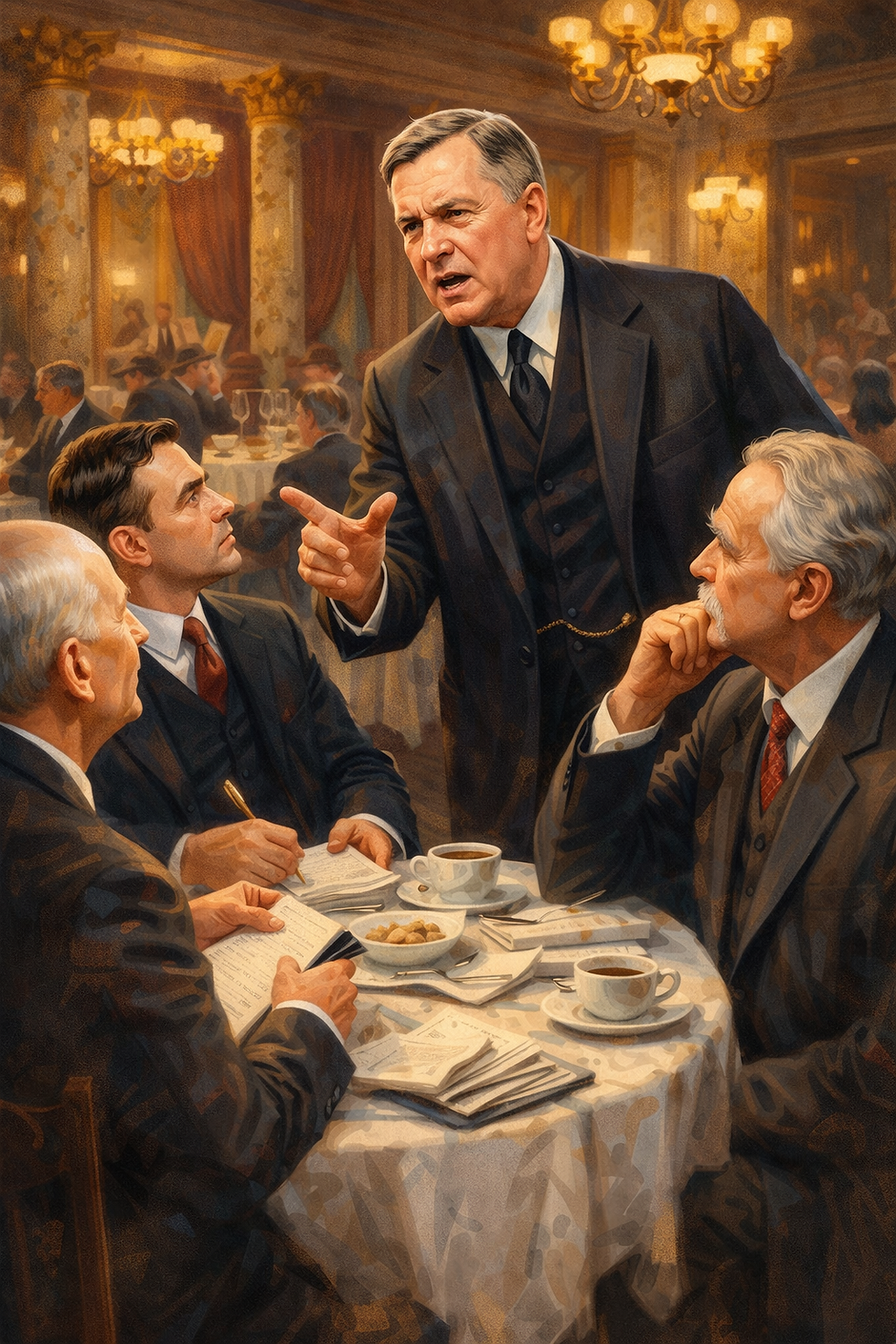
My Name is Wayne Wheeler: Architect of Prohibition
I was born in 1869 in Brookfield Township, Ohio. I was raised on a farm where discipline, hard work, and moral conviction shaped my character. As a young man, I suffered a life-altering injury when a drunken farmhand severed part of my leg with a pitchfork. That moment etched itself into my memory and solidified my lifelong hatred of alcohol. From that day forward, I vowed to dedicate my life to eliminating what I believed was the root of social decay.
The Making of a Reform Strategist
My path led me to Oberlin College, an institution deeply rooted in reformist ideals. There, I sharpened my intellect and refined my moral purpose. After studying law, I found my calling not in the courtroom but in advocacy. I joined the Anti-Saloon League, an organization committed to ending the liquor trade. Unlike others who relied on emotional appeals, I believed in discipline, organization, and political precision. Reform, I concluded, could be achieved not through chaos but through calculated influence.
The Power Behind the Movement
As I rose through the ranks of the Anti-Saloon League, I became its chief strategist. Some called me the most powerful lobbyist in America. I preferred to think of myself as a servant of moral progress. I developed what critics later called “Wheelerism,” a method of pressuring politicians to support Prohibition by rewarding allies and punishing opponents. To me, it was not manipulation—it was accountability. If elected officials claimed to serve the public good, then they should be compelled to defend it.
The Triumph of the Eighteenth Amendment
My greatest achievement came with the ratification of the Eighteenth Amendment in 1919. Through relentless lobbying, grassroots organization, and strategic alliances, I helped secure national Prohibition. The passage of the Volstead Act ensured its enforcement. I viewed this victory not as a personal triumph but as a moral revolution for the American people. I believed we had struck a decisive blow against poverty, crime, and domestic suffering caused by alcohol.
Controversy and Conviction
Not everyone saw me as a reformer. Critics accused me of wielding too much power and undermining democratic principles. They called me authoritarian, narrow-minded, and intolerant of dissent. Yet I never understood their objections. To me, the devastation wrought by alcohol was undeniable. Why would anyone oppose legislation designed to protect families and uplift society? I believed that those who resisted Prohibition either lacked moral clarity or were beholden to the corrupting influence of the liquor industry.
Unintended Consequences
As Prohibition took effect, unexpected challenges emerged. Bootlegging, speakeasies, and organized crime flourished in defiance of the law. Many blamed these outcomes on the very reforms I had championed. I rejected such accusations. The fault, I insisted, lay not in the law but in the failure of citizens and officials to uphold it. I remained convinced that righteousness required perseverance, not retreat.
The Anti-Saloon League and the Politics of Reform – Told by Wayne Wheeler
I devoted my life to the temperance cause, I understood that moral persuasion alone would never defeat the liquor industry. The saloon was deeply entrenched in American society, supported by powerful political and economic interests. If we were to succeed, we needed discipline, organization, and influence. The Anti-Saloon League became the instrument through which we transformed a moral movement into a political force capable of reshaping the nation.
The Birth of a Political Powerhouse
Founded in 1893 in Oberlin, Ohio, the Anti-Saloon League emerged as a single-issue organization dedicated to the eradication of alcohol. Unlike earlier temperance groups, it avoided distractions and focused solely on prohibition. By the time I joined its ranks, the League had already begun to refine its methods. With the support of Protestant churches and reform-minded citizens, we built a nationwide network that mobilized voters and influenced legislators. Our singular mission allowed us to pursue reform with relentless precision.
The Machinery of Organized Lobbying
I helped craft the strategies that made the League the most formidable lobbying force in America. We worked not through emotional appeals alone but through calculated political action. Our approach, later called “Wheelerism,” rewarded supporters and opposed those who stood against us, regardless of party affiliation. We did not seek to control politicians; we sought to hold them accountable. By educating voters and coordinating campaigns, we ensured that candidates understood the political consequences of defying the temperance cause.
Turning Temperance into National Policy
Through tireless effort, we secured local and statewide prohibition laws across the country. These victories laid the foundation for national reform. World War I strengthened our cause, as many Americans viewed the liquor trade as wasteful and unpatriotic. By aligning moral conviction with national interest, we gained widespread support. In 1919, our work culminated in the ratification of the Eighteenth Amendment, followed by the Volstead Act, which established federal enforcement. What had once been a moral aspiration had become the law of the land.
Allies, Influence, and Opposition
The Anti-Saloon League thrived on unity and strategic alliances. Ministers, reformers, and ordinary citizens joined our ranks, convinced that prohibition would uplift society. Yet our methods drew criticism. Some accused us of wielding excessive power and manipulating the democratic process. I never understood such objections. We operated within the law, empowering voters to demand reform from their representatives. To me, our success demonstrated the strength of organized advocacy in a democratic nation.
A Legacy of Political Reform
The League’s achievements proved that a determined and disciplined movement could transform public policy. By mastering the art of lobbying, we reshaped the relationship between reform movements and government. Though debates over Prohibition would continue, the Anti-Saloon League left an enduring legacy as a model of political organization and influence. It showed that when citizens unite with purpose and strategy, they possess the power to alter the course of history.
Local and Statewide Prohibition Laws – Told by Wayne Wheeler
Before our cause reshaped the Constitution of the United States, it took root in towns, counties, and states across the nation. The temperance movement understood that national reform would never succeed without local victories. Communities witnessed firsthand the destruction wrought by alcohol—poverty, domestic violence, and political corruption—and many resolved to act. These early efforts proved that prohibition was not merely an ideal but a practical solution supported by citizens determined to improve their society.
The Power of Local Option Laws
One of the most effective tools in our campaign was the local option law, which allowed voters in individual towns and counties to decide whether to permit the sale of alcohol. These measures empowered citizens to govern themselves and protect their communities. As elections were won and saloons closed, dry territories spread across the American landscape. Each victory demonstrated the will of the people and revealed that democracy could serve as a force for moral reform. By the early twentieth century, vast regions of the nation had chosen sobriety over vice.
Statewide Triumphs and Momentum
Our local successes soon translated into statewide victories. Kansas, which had adopted prohibition in 1881, stood as an early example of reform, though enforcement was often contested. Maine had enacted prohibition even earlier in 1851, setting a precedent for others to follow. By the 1910s, a wave of states—including Georgia, Oklahoma, Mississippi, North Carolina, and Tennessee—had embraced prohibition. These legislative achievements proved that the temperance cause had matured into a formidable political movement capable of reshaping public policy.
The Role of the Anti-Saloon League
As a leader of the Anti-Saloon League, I devoted my life to transforming these victories into a national mandate. Our organization focused on disciplined, strategic lobbying, ensuring that legislators understood the will of their constituents. We supported candidates who favored prohibition and opposed those who defended the liquor trade, regardless of political party. This method, grounded in organization and persistence, turned moral conviction into legislative success. Each dry county and state strengthened our argument that national prohibition was both achievable and inevitable.
War, Patriotism, and Reform
The outbreak of World War I accelerated the prohibition movement. Many Americans viewed grain conservation as essential to the war effort and associated the brewing industry with German-American interests. This atmosphere of patriotism strengthened support for statewide prohibition and reinforced the belief that banning alcohol would benefit both national security and public welfare. By the end of the war, the momentum for national reform had become unstoppable.
The Road to the Eighteenth Amendment
The patchwork of local and statewide prohibition laws formed the foundation upon which national legislation would stand. By 1916, a majority of Americans lived in dry territories, demonstrating overwhelming support for reform. These early successes proved that prohibition could be enacted, enforced, and sustained. They paved the way for the ratification of the Eighteenth Amendment in 1919 and the passage of the Volstead Act soon thereafter. What began as scattered local initiatives ultimately transformed into one of the most ambitious legislative achievements in American history.
World War I and the Push for National Prohibition – Told by Wayne Wheeler
When the United States entered the Great War in 1917, the nation was called upon to demonstrate unity, discipline, and sacrifice. To those of us in the temperance movement, the war presented both a challenge and an opportunity. We believed that the fight for national security and the fight against alcohol were intertwined. If America was to prevail abroad, it must first strengthen its moral and economic foundations at home.
Conserving Grain for Victory
One of the most persuasive arguments for prohibition during wartime was the need to conserve vital resources. Brewers and distillers consumed vast quantities of grain that could otherwise feed soldiers and civilians. We urged the American people to recognize that every bushel of wheat used for alcohol was a bushel denied to the war effort. Congress responded by passing the Lever Food and Fuel Control Act in 1917, which restricted the production of alcoholic beverages. This measure demonstrated that national prohibition was not merely a moral reform but a patriotic necessity.
The Influence of Anti-German Sentiment
Wartime tensions also cast suspicion upon the brewing industry, which was closely associated with German-American immigrants. Prominent breweries bore German names, and many Americans viewed them with distrust as the conflict intensified. While loyalty to the United States was demonstrated by countless German Americans, public sentiment increasingly linked the liquor trade with foreign influence. Reformers used this atmosphere to argue that prohibition would protect both national security and American identity. In the fervor of war, opposition to alcohol gained new urgency.
The Anti-Saloon League’s Strategic Leadership
As a leader of the Anti-Saloon League, I worked tirelessly to transform these wartime conditions into legislative success. Our organization emphasized discipline, organization, and political precision. We framed prohibition as an essential contribution to victory, rallying churches, civic leaders, and lawmakers behind the cause. By aligning temperance with patriotism, we secured broad public support and ensured that elected officials recognized the political consequences of defying the movement.
From Wartime Reform to Constitutional Change
The momentum generated during World War I accelerated the path toward national prohibition. In December 1917, Congress passed the resolution proposing the Eighteenth Amendment. Within just thirteen months, the amendment was ratified by the required number of states, taking effect in January 1920. Never before had a constitutional amendment been adopted so swiftly. The war had unified the nation, and that unity propelled prohibition from a reform movement into the supreme law of the land.
A Defining Moment in American History
To us, World War I proved that moral reform and national duty could march hand in hand. Wartime patriotism and anti-German sentiment strengthened public resolve and silenced many critics. We believed that prohibition would safeguard families, conserve resources, and elevate the character of the nation. Though history would later debate its consequences, the war years marked a decisive turning point, transforming a long-fought crusade into one of the most ambitious reforms in American history.
The Ratification of the 18th Amendment (1919) – Told by Wayne Wheeler
When the Eighteenth Amendment was ratified on January 16, 1919, it marked the culmination of decades of tireless effort by reformers determined to rid the nation of the destructive influence of alcohol. To us, it was not merely a legal victory but a moral triumph, affirming the belief that the Constitution could be used to uplift society and protect American homes from vice and corruption.
The Foundations of Reform
The path to ratification was built upon years of local and statewide successes. Dry counties and prohibition states demonstrated that the sale of alcohol could be restricted and that citizens were willing to support such measures. Organizations like the Anti-Saloon League refined the art of political advocacy, uniting churches, reformers, and voters behind a single cause. These early victories provided the momentum necessary to pursue national legislation and convinced lawmakers that prohibition reflected the will of the people.
Mobilizing a Nation
As superintendent of the Anti-Saloon League’s legislative efforts, I worked to transform moral conviction into constitutional action. Our strategy was disciplined and precise: we supported candidates who favored prohibition and opposed those who did not, regardless of political party. By coordinating grassroots activism with organized lobbying, we ensured that legislators recognized the strength and determination of the temperance movement. The result was a powerful coalition capable of shaping national policy.
The Influence of War and Patriotism
World War I accelerated our cause by aligning prohibition with patriotism and national efficiency. Reformers argued that grain used for alcohol should instead feed soldiers and allies, while wartime unity strengthened public support for moral discipline. Anti-German sentiment further undermined the brewing industry, which was often associated with German-American interests. These factors created a favorable climate for reform and helped secure congressional approval for the amendment in December 1917.
The Swift March to Ratification
Once proposed by Congress, the amendment advanced with remarkable speed. The Constitution required ratification by three-fourths of the states, and the temperance movement mobilized with unwavering determination. On January 16, 1919, Nebraska became the thirty-sixth state to ratify the amendment, ensuring its adoption. Never before had a constitutional amendment been ratified so quickly. One year later, on January 17, 1920, national prohibition officially took effect, transforming American law and society.
The Volstead Act and National Enforcement
To enforce the amendment, Congress passed the National Prohibition Act, commonly known as the Volstead Act, later in 1919. This legislation defined intoxicating beverages and established federal authority for enforcement. Though President Woodrow Wilson vetoed the bill, Congress overrode his veto, underscoring the strength of public support. With its passage, the constitutional promise of prohibition became a legal reality.
A Legacy Etched in the Constitution
The ratification of the Eighteenth Amendment stands as one of the most significant reform achievements in American history. It demonstrated the power of organized citizens to amend the Constitution in pursuit of moral and social progress. To those of us who dedicated our lives to the temperance cause, it was proof that faith, persistence, and strategic action could reshape the nation. Though its legacy would later be debated, the triumph of 1919 remains a defining moment in the story of American reform.
The Volstead Act and Federal Enforcement (1920) – Told by Wayne Wheeler
The ratification of the Eighteenth Amendment was a constitutional triumph, but its success depended upon effective enforcement. Without clear definitions and federal authority, Prohibition would remain an ideal rather than a reality. To ensure its implementation, Congress enacted the National Prohibition Act of 1919, commonly known as the Volstead Act, providing the legal framework necessary to regulate and enforce the ban on intoxicating liquors.
Defining Intoxicating Liquor
The Volstead Act clarified the scope of the Eighteenth Amendment by defining intoxicating beverages as those containing more than 0.5 percent alcohol. This standard eliminated ambiguity and closed potential loopholes that could have undermined the law. While the amendment prohibited the manufacture, sale, and transportation of alcohol, the Volstead Act ensured uniform enforcement across the nation. Limited exceptions were permitted for medicinal, sacramental, and certain industrial uses, reflecting both practicality and respect for established traditions.
Overriding Presidential Opposition
President Woodrow Wilson vetoed the Volstead Act in October 1919, expressing concern over its wartime provisions and enforcement mechanisms. However, Congress swiftly overrode his veto, demonstrating the strength of public support for Prohibition. This decisive action confirmed the resolve of the temperance movement and underscored the belief that national sobriety was essential to moral and social reform. The law took effect alongside the Eighteenth Amendment on January 17, 1920, marking the beginning of a bold national experiment.
Building a Federal Enforcement System
The responsibility for enforcing Prohibition fell to the federal government, primarily through the Bureau of Prohibition within the Treasury Department. Agents were tasked with dismantling illegal distilleries, intercepting bootleggers, and shutting down illicit saloons known as speakeasies. Cooperation between federal, state, and local authorities was essential, though often inconsistent. Despite limited resources and widespread resistance, enforcement efforts sought to uphold the law and protect the integrity of the Constitution.
Challenges and Unintended Consequences
From the outset, Prohibition faced formidable obstacles. The widespread demand for alcohol encouraged illegal production and smuggling, while organized crime flourished in urban centers. Corruption among law enforcement officials and public indifference further complicated enforcement. Critics argued that the law was difficult to implement and fostered unintended consequences. Yet to those of us who championed Prohibition, these challenges stemmed not from the law itself but from a failure of compliance and moral discipline.
The Legacy of the Volstead Act
The Volstead Act represented the culmination of decades of advocacy and political strategy. It demonstrated the capacity of the federal government to regulate social behavior on a national scale and marked a defining moment in American reform. Though its effectiveness and consequences would later be debated, the Act stood as a testament to the determination of the temperance movement. In transforming constitutional principle into enforceable law, it reshaped the relationship between government, society, and morality during one of the most transformative periods in American history.

My Name is Father John A. Ryan: A Catholic Priest and Champion of Social Justice
I was born in 1869 on a farm in Vermillion, Minnesota. Raised in a devout Irish Catholic family, I learned the value of hard work, faith, and moral responsibility from an early age. Life on the frontier was not easy, but it instilled in me a deep awareness of economic inequality and human dignity. These early experiences shaped my belief that society had a duty to care for the poor and protect the vulnerable, convictions that would guide my life’s work.
Answering the Call to the Priesthood
My path led me to the priesthood, where I sought to unite faith with action. After my ordination in 1898, I pursued advanced studies in theology and moral philosophy at The Catholic University of America in Washington, D.C. There, I discovered Catholic social teaching and became convinced that Christianity demanded justice in economic and social life. I believed that moral truth must shape public policy and that the Church had a responsibility to address the injustices of modern industrial society.
The Living Wage Advocate
My most influential work, A Living Wage, published in 1906, argued that every worker had a natural right to earn enough to support a family in dignity. I contended that unchecked capitalism often exploited laborers and that government had a role in correcting these injustices. To me, this was not radical—it was a moral imperative rooted in natural law and Christian ethics. Yet many critics denounced my ideas as dangerous, impractical, or even socialistic. I never understood why a principle grounded in human dignity provoked such resistance.
A Voice Against Eugenics
During the Progressive Era, when the pseudoscience of eugenics gained widespread support, I stood firmly in opposition. I rejected the notion that human worth could be measured by heredity or social utility. To me, such ideas contradicted both reason and the sanctity of human life. I argued that society should uplift the weak rather than eliminate them. While some reformers embraced eugenics as a path to progress, I viewed it as a grave moral error. I could not comprehend how anyone who valued justice could support such a doctrine.
Controversy and the New Deal
As the nation struggled through the Great Depression, I became an outspoken advocate for social reform. I supported labor rights, social welfare programs, and economic protections for the poor. My endorsement of President Franklin D. Roosevelt’s New Deal earned me the nickname “The Right Reverend New Dealer.” Critics accused me of promoting socialism and undermining free enterprise. Yet I remained steadfast, convinced that government action was necessary to secure justice and stability. To my mind, compassion and morality demanded nothing less.
Faith, Reform, and Public Debate
Throughout my career, I lectured widely, advised policymakers, and helped shape the Bishops’ Program of Social Reconstruction in 1919. I believed that democracy and Christianity were not enemies but allies in the pursuit of justice. Still, my advocacy stirred controversy. Some saw me as a visionary; others regarded me as dangerously progressive. I struggled to understand why calls for fairness and dignity were met with suspicion. To me, the principles I championed were self-evident truths rooted in both faith and reason.
Reflections at Life’s End
As my life drew to a close in 1945, I reflected upon the causes I had championed. I remained convinced that my efforts were guided by moral conviction and a sincere desire to uplift humanity. Yet with time came a deeper appreciation for the complexities of reform and the diversity of perspectives within a free society. If I harbored any regret, it was that my certainty sometimes left little room for understanding those who disagreed with me. Still, I trusted that my work helped lay a foundation for a more just and compassionate world.
Public Reaction to Prohibition’s Beginning – Told by John A. Ryan
When the Eighteenth Amendment took effect on January 17, 1920, the United States embarked upon one of the most ambitious social experiments in its history. Many Americans greeted the dawn of Prohibition with hope, believing it would usher in an era of sobriety, stability, and moral reform. Churches rang their bells, reformers celebrated in prayer, and advocates proclaimed that a new day had arrived—one in which families would be strengthened and society uplifted.
Support Rooted in Faith and Reform
For countless citizens, Prohibition represented a triumph of conscience. Religious leaders, particularly among Protestant denominations, had long denounced alcohol as a destructive force that corrupted individuals and destabilized communities. Many Catholics, myself included, recognized the sincerity of these concerns, even when opinions differed on methods. Supporters believed that eliminating alcohol would reduce crime, alleviate poverty, and protect women and children from domestic abuse. To them, the new law symbolized a moral victory and a testament to the power of democratic reform.
The Promise of Social Improvement
Early reports suggested that Prohibition was achieving some of its intended goals. Reformers claimed declines in alcohol consumption, fewer arrests for drunkenness, and improved productivity among workers. Savings accounts reportedly increased, and employers observed heightened efficiency. Advocates pointed to these developments as evidence that national sobriety would lead to a healthier and more prosperous society. To many, Prohibition seemed to validate decades of effort by temperance organizations determined to reshape American life.
Skepticism in Cities and Immigrant Communities
Yet not all Americans welcomed the new law. In urban centers, particularly among immigrant populations from Germany, Ireland, and Italy, drinking was woven into cultural traditions. To them, Prohibition appeared intrusive and un-American. Critics argued that the federal government had overstepped its authority by legislating personal behavior. Some questioned whether moral reform could be achieved through constitutional mandate, while others viewed the amendment as an assault on individual liberty and cultural diversity.
The Rise of Resistance and Defiance
Almost immediately, resistance began to emerge. Illegal establishments known as speakeasies flourished, and bootleggers supplied a steady stream of illicit alcohol. Many citizens, otherwise law-abiding, chose to ignore the ban, revealing a gap between legislation and public compliance. Enforcement proved uneven, and corruption occasionally undermined the credibility of the law. These developments led skeptics to question whether Prohibition could succeed without the wholehearted support of the American people.
A Nation Divided in Principle and Practice
As a scholar of moral theology and social reform, I observed these developments with keen interest. Prohibition was born of noble intentions, rooted in a desire to promote the common good. Yet its reception revealed the complexity of governing a diverse and democratic society. While some hailed it as a triumph of righteousness, others saw it as an infringement upon personal freedom. This division reflected broader tensions between morality, liberty, and the role of government in shaping public life.
Reflections on the Early Response
The early reaction to Prohibition demonstrated both the promise and peril of reform. It showed that laws inspired by moral conviction could inspire hope, yet also provoke skepticism and resistance. As Americans grappled with its implications, the nation was compelled to confront enduring questions about freedom, responsibility, and the limits of government authority. In these debates, the story of Prohibition became not merely a legal matter, but a profound reflection on the character and conscience of the United States.

My Name is Al Capone: America’s Most Notorious Gangster
I was born in 1899 in Brooklyn, New York, to hardworking Italian immigrant parents. My father was a barber, my mother a seamstress, and they dreamed of a respectable life for their children. But the crowded streets of Brooklyn taught me lessons no classroom ever could. I left school after the sixth grade and found my place among neighborhood gangs, where loyalty, toughness, and ambition mattered more than education. The world was harsh, and I learned early that survival favored the bold.
The Making of Scarface
My reputation began to take shape when I joined the Five Points Gang, one of New York’s most notorious criminal organizations. Under the mentorship of Johnny Torrio, I learned the business of vice and power. While working as a bouncer, I received the facial scars that earned me the nickname “Scarface,” though I never cared for it. In 1919, Torrio invited me to Chicago, a city ripe with opportunity as Prohibition took hold. There, I found my destiny in a nation that had outlawed liquor but not the thirst for it.
Seizing Opportunity in Prohibition
When the Eighteenth Amendment banned alcohol, it did not eliminate demand—it created an empire for men like me. I took control of Chicago’s bootlegging operations, supplying speakeasies, nightclubs, and hotels with the liquor Americans still craved. To me, I was not a criminal but a businessman fulfilling a public demand. The government had created the opportunity; I merely stepped in to meet it. If people wanted a drink, who was I to deny them?
The Rise of a Criminal Empire
By the mid-1920s, I ruled Chicago’s underworld. My organization generated millions of dollars through bootlegging, gambling, and other enterprises. I employed thousands and ensured loyalty through wealth and protection. Some called me a menace, but others saw me as a provider. I donated to charities, opened soup kitchens during the Great Depression, and helped those the government overlooked. In my mind, I was a man of the people, offering both opportunity and relief.
Violence, Power, and Controversy
My rise was not without bloodshed. Rival gangs challenged my authority, and the streets of Chicago became a battleground. The most infamous event associated with my reign was the St. Valentine’s Day Massacre in 1929, when seven members of a rival gang were executed. Though my involvement was never proven in court, the public branded me a symbol of lawlessness. I never understood why society condemned me while ignoring its own hypocrisy. The same people who denounced me eagerly purchased my liquor. They created the demand; I supplied it.
Public Enemy Number One
As my fame grew, so did my notoriety. Newspapers dubbed me “Public Enemy Number One,” and the federal government made me its prime target. Despite years of evading prosecution, I was ultimately convicted not for violence or bootlegging but for tax evasion in 1931. Sentenced to eleven years in prison, I served time in Alcatraz, where isolation replaced power. The empire I had built began to crumble without my command.
Reflections at the End
In my later years, illness weakened my body and clouded my mind. As I looked back on my life, I remained convinced that Prohibition had created the world I thrived in. I had only played the hand dealt to me. Yet, in quieter moments, I began to see the cost of my ambition—the violence, the fear, and the suffering left in its wake. I had sought power and respect, but in the end, I found neither brought peace. If I have any regret, it is that the empire I built was destined to fall, leaving behind a legacy as complicated as the era that made me.
Speakeasies and the Culture of Defiance – Told by Al Capone
When Prohibition took effect in 1920, the government outlawed alcohol, but it did not outlaw the American desire to drink. Demand did not disappear; it simply went underground. Where lawmakers saw reform, men like me saw opportunity. The saloons closed, but in their place rose a hidden world of secret bars, whispered passwords, and fortunes waiting to be made.
The Birth of the Speakeasy
Speakeasies—named for the quiet manner in which patrons were instructed to “speak easy” to avoid detection—sprang up in cities across the nation. From Chicago to New York, they operated behind unmarked doors, in basements, back rooms, and even elegant restaurants. Customers entered through concealed passages and presented coded phrases for admission. Though illegal, these establishments thrived, serving as both social havens and symbols of defiance against federal authority.
Chicago: The Heart of the Underground
In Chicago, my organization supplied liquor to thousands of speakeasies. Imported spirits arrived through Canada, while domestic alcohol flowed from hidden distilleries and breweries. By the mid-1920s, the city housed thousands of illicit drinking establishments, many operating with remarkable efficiency. Jazz bands played, couples danced, and the city’s nightlife flourished. To many Americans, Prohibition had not ended drinking—it had made it more glamorous and exciting.
A Culture of Rebellion and Glamour
Speakeasies became cultural landmarks of the Roaring Twenties. They brought together businessmen, politicians, flappers, and entertainers in an atmosphere of secrecy and thrill. Women, newly empowered by the passage of the Nineteenth Amendment in 1920, embraced the newfound freedom of public nightlife. Jazz music, modern fashion, and daring social customs flourished within these hidden walls. In defying the law, Americans forged a vibrant and rebellious culture that reshaped the decade.
Corruption and Complicity
The success of speakeasies depended not only on public demand but also on widespread corruption. Law enforcement officials and politicians were often bribed to look the other way, allowing illegal establishments to operate with relative impunity. In Chicago and beyond, protection payments ensured that business continued uninterrupted. To me, this arrangement revealed the hypocrisy of Prohibition. The same society that condemned my trade eagerly funded it with its own patronage.
Defiance of an Unpopular Law
What fascinated me most was how ordinary citizens—people who had never broken the law—became willing participants in its violation. Respectable men and women slipped through hidden doors to enjoy a drink, convinced that the government had overreached. I never understood why they blamed me for providing what they so eagerly sought. The speakeasy was not merely a criminal enterprise; it was a reflection of a nation unwilling to surrender its freedoms.
The Legacy of the Speakeasy Era
Speakeasies exposed the limits of legislating morality in a diverse and determined society. They fueled organized crime, enriched bootleggers, and undermined respect for the law. Yet they also reshaped American culture, giving rise to jazz, modern nightlife, and new social freedoms. When Prohibition ended in 1933, the hidden bars vanished, but their influence endured. They stood as enduring symbols of defiance, proving that when law and public will collide, the underground often thrives.
Bootlegging and the Rise of Organized Crime – Told by Al Capone
When the Eighteenth Amendment took effect in 1920, it outlawed the manufacture, sale, and transportation of alcohol—but not the desire for it. Americans still wanted their whiskey, beer, and wine, and where demand thrives, supply soon follows. Prohibition did not end drinking; it transformed it into one of the most profitable underground industries in American history, giving rise to criminal empires built on opportunity, risk, and ambition.
The Birth of Bootlegging
Bootlegging, the illegal production and distribution of alcohol, quickly became a nationwide enterprise. Liquor was smuggled across borders from Canada and the Caribbean, transported along coastal routes known as “Rum Row,” and manufactured in hidden distilleries throughout the country. Some turned to homemade spirits, often called moonshine or “bathtub gin,” while others relied on sophisticated smuggling networks. The profits were immense, and the risks—though significant—proved worthwhile to those willing to defy the law.
Building a Criminal Empire in Chicago
In Chicago, I rose to prominence under the mentorship of Johnny Torrio, eventually taking control of one of the most powerful bootlegging operations in the nation. My organization supplied thousands of speakeasies with alcohol, generating millions of dollars annually. We established breweries, managed distribution routes, and maintained an intricate network of drivers, guards, and accountants. To me, it was business—structured, efficient, and driven by public demand. Prohibition had created a market, and we filled it.
Organization, Power, and Profit
Bootlegging transformed street gangs into highly organized syndicates. Criminal enterprises developed systems resembling legitimate corporations, complete with supply chains, territory management, and financial oversight. Cities like New York, Detroit, and Chicago became battlegrounds for control of lucrative markets. Alliances were formed, rivalries intensified, and the influence of organized crime extended into politics and law enforcement through bribery and corruption. The scale of operations reflected the enormous wealth generated by illegal alcohol.
Violence and Rivalry in the Underworld
Competition for territory often erupted into violence. Gang wars became a defining feature of the Prohibition era, as rival groups fought for dominance. The most infamous incident associated with my name was the St. Valentine’s Day Massacre of 1929, in which seven members of a rival gang were murdered. Though I was never convicted in connection with the crime, it symbolized the brutality that accompanied the struggle for power. Such events revealed the darker consequences of a black market born from federal law.
Public Demand and Social Contradictions
What struck me most was the hypocrisy of the era. Politicians condemned men like me, yet countless citizens eagerly purchased our products. Speakeasies flourished because Americans continued to drink, despite the law. Bootlegging thrived not because of criminals alone, but because society itself sustained it. I never understood why I was vilified for supplying what the public so enthusiastically demanded. To me, Prohibition created the very conditions that allowed organized crime to flourish.
A Lasting Legacy of Prohibition
By the time Prohibition ended in 1933 with the ratification of the Twenty-First Amendment, organized crime had grown into a powerful and enduring force. Bootlegging had reshaped the American underworld, fostering criminal networks that would persist long after the ban on alcohol was lifted. The era demonstrated that outlawing a widely desired commodity could generate vast illegal economies and unintended consequences. It was a lesson written in ambition, wealth, and blood—a legacy that remains one of the most striking chapters in American history.
Violence, Corruption, and Gang Warfare – Told by Al Capone
When Prohibition took hold in 1920, Chicago became the proving ground for a new kind of empire—one built on illegal liquor, fierce competition, and immense profits. The federal ban on alcohol created a vacuum, and men like me stepped in to fill it. But where fortunes were made, rivals emerged, and the battle for control turned the streets into a war zone. In this world, power was measured not only in wealth but in the ability to defend it.
The Struggle for Territory and Control
Chicago’s underworld was divided among powerful gangs, each determined to dominate the lucrative bootlegging trade. I rose to prominence under Johnny Torrio, and when he retired in 1925, I inherited control of his vast criminal network. My chief rival was George “Bugs” Moran of the North Side Gang, whose organization threatened my authority. The competition between our factions fueled a relentless cycle of retaliation. Every shipment, every speakeasy, and every street corner represented profit, and no empire could tolerate intrusion without consequence.
The St. Valentine’s Day Massacre
The most infamous event of this violent era occurred on February 14, 1929. That morning, seven members of Moran’s gang were lined up against a wall in a Chicago garage and executed by men disguised as police officers. The crime, forever known as the St. Valentine’s Day Massacre, shocked the nation. Though I was in Florida at the time and was never convicted of involvement, public opinion swiftly judged me responsible. The massacre symbolized the brutality of gang warfare and cemented my reputation as America’s most notorious gangster.
Corruption in High Places
Violence alone could not sustain an empire; influence was just as essential. Prohibition created an environment where corruption flourished. Bootleggers relied on bribery to ensure protection, and many law enforcement officers and public officials accepted payments in exchange for turning a blind eye. In Chicago, this system of payoffs allowed illegal operations to continue with remarkable efficiency. To me, it exposed the hypocrisy of the era. The law declared alcohol illegal, yet those sworn to enforce it often profited from its sale.
Public Fascination and Fear
The American public watched these events unfold with a mixture of horror and fascination. Newspapers splashed my name across their front pages, dubbing me “Public Enemy Number One.” Some condemned me as a symbol of lawlessness, while others viewed me as a product of a flawed system. I operated soup kitchens during the Great Depression and donated to charitable causes, gestures that earned admiration from some and suspicion from others. I never understood why society blamed me alone for a trade it eagerly supported.
The Government Strikes Back
As gang violence intensified, federal authorities sought to dismantle the criminal empires that Prohibition had created. Unable to convict me of murder or bootlegging, they pursued me for tax evasion. In 1931, I was found guilty and sentenced to eleven years in prison. My incarceration at Alcatraz marked the decline of my power and signaled a turning point in the government’s battle against organized crime.
A Legacy Forged in Blood and Lawlessness
The era of violence, corruption, and gang warfare revealed the unintended consequences of Prohibition. The attempt to legislate morality had given rise to criminal empires, widespread corruption, and unprecedented bloodshed. When the Twenty-First Amendment repealed Prohibition in 1933, the nation acknowledged the failure of the experiment. Yet the legacy of those turbulent years endured, serving as a stark reminder of what can happen when law, demand, and human ambition collide.
Ethical Debates and Concerns Over Government Overreach – Told by John A. Ryan
When Prohibition became the law of the land in 1920, it ignited a profound moral and constitutional debate across the United States. While many hailed it as a triumph of reform, others viewed it as an intrusion upon personal liberty. As both a Catholic priest and a scholar of social ethics, I observed these developments with keen interest, recognizing that the conflict reflected deeper questions about the proper role of government in shaping human behavior.
The Moral Intent Behind Prohibition
The temperance movement arose from genuine concern for the common good. Reformers believed that alcohol contributed to poverty, crime, domestic violence, and moral decay. From this perspective, the Eighteenth Amendment represented an effort to protect families and uplift society. Many Christians saw the law as a righteous measure consistent with their duty to promote virtue. Though opinions differed among religious communities, the movement was rooted in sincere moral conviction rather than mere coercion.
The Limits of Legislative Morality
Yet Prohibition raised an enduring ethical question: could virtue be mandated by law? Moral theology teaches that while government may restrain harmful actions, it cannot compel genuine moral transformation. Critics argued that Prohibition attempted to enforce personal virtue through constitutional authority, blurring the line between public welfare and private conscience. The debate highlighted a tension between the pursuit of the common good and the preservation of individual freedom—a challenge that has confronted democratic societies throughout history.
Constitutional Concerns and Federal Authority
The ratification of the Eighteenth Amendment marked an unprecedented expansion of federal power over personal conduct. For the first time, the Constitution prohibited a widely consumed product, raising concerns about government overreach. Opponents contended that such authority threatened the balance between state and federal power and set a precedent for regulating private behavior. These constitutional questions underscored the complexities of governing a diverse nation committed to both liberty and order.
Public Resistance and Social Consequences
As Prohibition unfolded, widespread noncompliance revealed the limits of legislative reform. Speakeasies, bootlegging, and organized crime flourished, while many otherwise law-abiding citizens ignored the ban. This erosion of respect for the law troubled both supporters and critics. The experience demonstrated that even well-intentioned policies could produce unintended consequences when public consensus was lacking. It became evident that enduring reform requires not only legislation but also broad cultural acceptance.
Balancing Freedom and the Common Good
In reflecting upon Prohibition, I recognized the importance of balancing individual liberty with social responsibility. Catholic social teaching emphasizes the dignity of the human person alongside the necessity of promoting the common good. Government possesses the authority to regulate harmful practices, yet it must exercise that power with prudence and restraint. The debate over Prohibition illustrated the delicate equilibrium between safeguarding society and preserving freedom.
Lessons from a National Experiment
The ethical controversies surrounding Prohibition offered enduring lessons for American democracy. They revealed both the promise and peril of reform pursued through constitutional means. While motivated by noble intentions, the policy exposed the complexities of legislating morality in a pluralistic society. As I considered its legacy, I remained convinced that social progress must be guided by justice, wisdom, and respect for human dignity. Only by harmonizing moral conviction with constitutional principles can a nation secure both liberty and the common good.
The Decline of Prohibition and Growing Public Resistance – Told by John A. Ryan
When Prohibition took effect in 1920, many believed it would usher in a new era of moral reform and social stability. Yet within a few years, the promise of national sobriety began to fade. As a student of ethics and social justice, I watched with growing concern as the law, rooted in noble intentions, encountered mounting resistance from the very society it sought to uplift.
The Challenge of Enforcement
From its earliest days, Prohibition proved difficult to enforce. The Volstead Act outlawed the manufacture, sale, and transportation of intoxicating beverages, but the federal government lacked the resources necessary to ensure compliance. Underfunded and understaffed, enforcement agencies struggled to contain widespread violations. Local authorities often hesitated to enforce the law, and public indifference further weakened its effectiveness. A law unsupported by the collective will of the people inevitably faced formidable obstacles.
The Rise of Illegal Enterprise
As legal avenues for obtaining alcohol disappeared, illicit markets flourished. Bootlegging operations, smuggling networks, and clandestine speakeasies spread across the nation. Organized crime syndicates amassed enormous wealth by supplying illegal liquor, particularly in major cities such as Chicago and New York. The resulting violence and corruption undermined respect for both the law and the institutions responsible for enforcing it, casting doubt on the wisdom of the Prohibition experiment.
Public Resistance and Cultural Defiance
Resistance to Prohibition was not limited to criminals; it extended into mainstream society. Many Americans viewed the law as an infringement upon personal liberty and cultural tradition. Immigrant communities, whose customs often included moderate alcohol consumption, felt particularly targeted. Even otherwise law-abiding citizens frequented speakeasies, signaling a widespread disconnect between legislation and public sentiment. This quiet defiance revealed that Prohibition lacked the universal support necessary for its success.
Economic Pressures and Changing Priorities
The onset of the Great Depression in 1929 further accelerated the decline of Prohibition. As unemployment soared and government revenues plummeted, many Americans began to question the economic wisdom of maintaining the ban. Legalizing and taxing alcohol promised much-needed income and job creation. The financial strain of enforcing Prohibition, combined with its loss of public support, led policymakers to reconsider its value and practicality.
A Shift in Public Opinion
By the early 1930s, the national mood had shifted decisively. Organizations advocating repeal gained momentum, and prominent leaders argued that Prohibition had failed to achieve its intended goals. What began as a moral crusade increasingly appeared to many as an impractical and counterproductive policy. The growing recognition of its unintended consequences prompted a reevaluation of the balance between moral reform and individual freedom.
The End of Prohibition and Its Lessons
In 1933, the ratification of the Twenty-First Amendment repealed Prohibition, marking the end of the nation’s grand experiment. It remains the only instance in American history in which a constitutional amendment was repealed by another. To me, this outcome underscored a profound truth: legislation must be supported by public consensus and grounded in prudence to endure. The decline of Prohibition serves as a lasting lesson in the complexities of reform, reminding us that even the noblest intentions must be guided by wisdom, moderation, and respect for human freedom.
Repeal and Legacy: The 21st Amendment (1933) – Told by John A. Ryan, Al Capone, Wayne Wheeler, and Carrie Nation
On December 5, 1933, the United States ratified the Twenty-First Amendment, repealing the Eighteenth Amendment and bringing an end to national Prohibition. It was a moment of profound national reflection, marking the conclusion of one of the most ambitious social experiments in American history. Born from moral conviction and driven by reform, Prohibition ultimately revealed the complexities of legislating virtue in a diverse and evolving democracy.
A Moral Vision That EnduredCarrie Nation: Though I did not live to see repeal, my voice echoes in the cause that inspired it. I fought to protect families from the devastation of alcohol, convinced that temperance was essential to moral and social reform. The repeal of Prohibition did not erase the suffering that inspired our movement, nor did it diminish the righteousness of our intentions. While the law was overturned, the dangers of intemperance remained real. To me, the legacy of Prohibition lies not in its repeal, but in its enduring warning against the destructive power of vice.
Triumph, Trial, and Constitutional ReformWayne Wheeler: As the architect of national Prohibition, I viewed the Eighteenth Amendment as a constitutional triumph. Its repeal in 1933 demonstrated both the strength and flexibility of American democracy. The Twenty-First Amendment, ratified through state conventions rather than legislatures, reflected the will of the people with remarkable clarity. Although I believed deeply in our cause, history revealed that reform requires not only moral certainty but also sustained public support. The rise and fall of Prohibition proved that even the most determined movements must adapt to the realities of a changing nation.
Opportunity Born of ProhibitionAl Capone: Prohibition built fortunes for men like me. When alcohol was outlawed, Americans still wanted to drink, and organized crime stepped in to meet the demand. Bootlegging, speakeasies, and underground empires flourished, revealing the unintended consequences of the law. By the time repeal arrived, the nation had grown weary of violence, corruption, and hypocrisy. The Twenty-First Amendment ended the era that had made me infamous, but it also proved that laws divorced from public consent are difficult to enforce. In the end, Prohibition created as many problems as it sought to solve.
Ethical Lessons for a Democratic SocietyJohn A. Ryan: As a priest and scholar of social justice, I saw Prohibition as a well-intentioned effort to promote the common good. Yet its repeal underscored an essential truth: moral reform cannot endure without the cooperation of the people it seeks to guide. The Constitution’s ability to correct itself through amendment demonstrated the wisdom of democratic governance. The ethical debates surrounding Prohibition highlighted the delicate balance between personal liberty and social responsibility—questions that remain central to American public life.
A Lasting Legacy for American Reform
The ratification of the Twenty-First Amendment did more than restore the legality of alcohol; it reshaped federalism by granting states authority to regulate its sale and distribution. It also strengthened public skepticism toward sweeping moral legislation while reinforcing the importance of constitutional accountability. The repeal served as a powerful reminder that reform movements, however noble, must align with cultural realities and public consensus to succeed.
Enduring Lessons from Prohibition
The story of Prohibition and its repeal stands as a testament to the aspirations and challenges of American reform. It revealed the power of faith, activism, political strategy, and economic forces to shape national policy. Through the voices of reformers, strategists, critics, and participants, the legacy of the Twenty-First Amendment endures as a lesson in humility, resilience, and democratic responsibility. It reminds us that the pursuit of a better society must be guided not only by conviction, but also by wisdom, balance, and the enduring principles of liberty and justice.


Comments