

11. Heroes and Villains of Ancient Greece - The Peloponnesian War (c. 431–404 BC)

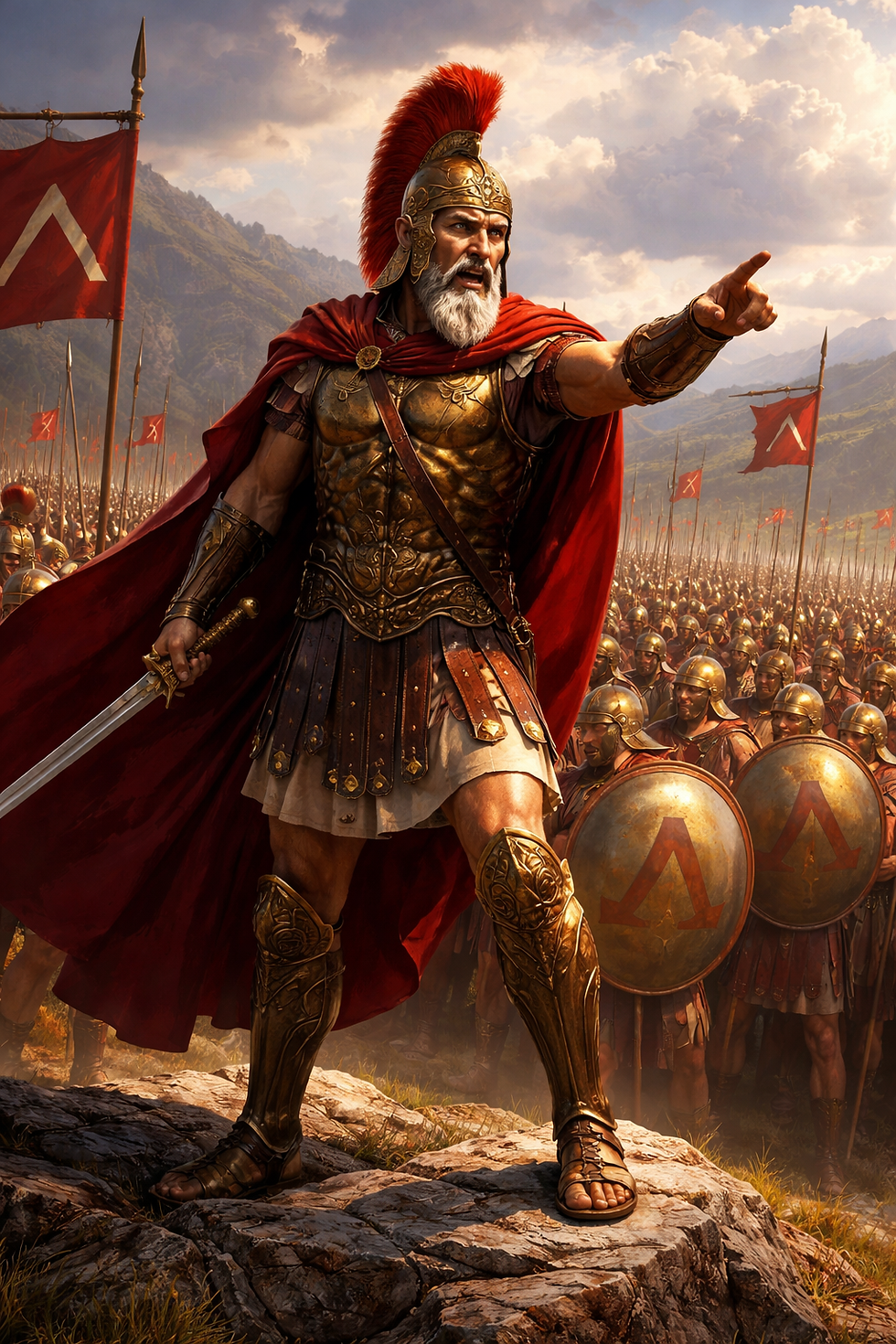
My Name is Archidamus II: King of Sparta
I was born into the Eurypontid royal house, trained from youth in the discipline and restraint that define our city. In Sparta, kings are not tyrants but guardians of tradition, law, and balance. From my earliest days, I learned that power is best exercised slowly, with foresight, and always with the survival of the polis in mind.
A King Formed by Caution and Experience
Before war ever came, I studied the fragile balance of Greece. I watched Athens grow wealthy from its fleet and empire, and I saw fear rise among Sparta’s allies. I understood that war with Athens would not be swift. Their walls, their ships, and their resources made them resilient. My role was not to excite the people, but to warn them.
Warning Sparta of a Long War
When conflict became unavoidable, I stood before the Spartan assembly and urged patience. I told them that this war would be fought not in seasons, but in generations. I advised preparation, unity among allies, and restraint in ambition. Many heard my words, but fear and pride often speak louder than caution.
Leading the Early Campaigns
As king, I led invasions into Attica at the war’s opening. These were deliberate actions, meant to pressure Athens rather than destroy it outright. I avoided reckless engagements, knowing that one mistake could undo Sparta’s strength. Each campaign confirmed my belief that this conflict would test endurance more than valor.
Struggle Between Strategy and Expectation
My greatest challenge was not Athens, but my own people. Sparta valued decisive action, yet I believed survival required patience. As the war dragged on, voices grew louder calling for bolder measures. I remained committed to my belief that discipline, not haste, would preserve Sparta.
Watching the War Change
As years passed, the conflict evolved beyond what I had foreseen. New leaders rose, strategies shifted, and the war spread far beyond the Peloponnese. I did not live to see its end, but I knew that Greece would never be the same. The war I sought to manage became a struggle that reshaped all who fought it.
My Legacy
History may remember me as cautious, even hesitant. I accept that judgment. I believed a king’s duty was not glory, but survival. I tried to guide Sparta through the storm with reason instead of passion. Whether my city listened fully or not, my words remain a reminder that wisdom often speaks quietly, even at the edge of war.
Causes of the War and Breakdown of Peace – Told by Archidamus II
I speak not as a lover of war, but as one who watched it grow inevitable. Long before spears were raised, fear and mistrust had already broken the peace between Sparta and Athens. War did not come suddenly; it crept in through ambition, pride, and unresolved tension.
The Growth of Athenian Power
After the wars against Persia, Athens transformed its leadership into dominion. What began as a defensive alliance became an empire enforced by ships, tribute, and fear. From Sparta’s view, this growth upset the balance that kept Greece stable. Power, when unchecked, invites resistance.
Spartan Fear and Responsibility
Sparta did not seek expansion as Athens did, but we bore responsibility for many allies who feared Athenian control. When these allies appealed to us, we could not ignore them without losing honor and authority. Our fear was not of immediate conquest, but of gradual suffocation, as Athenian influence spread across Greece.
Alliance Tensions and Broken Trust
Treaties existed, yet their spirit was violated. Athens interfered in disputes, punished cities harshly, and treated allies as subjects. Each act strained the peace further. Words of reassurance were offered, but actions spoke louder than promises.
The Failure of Diplomacy
Envoys traveled, speeches were made, and councils met. Yet diplomacy failed because neither side trusted the other’s intentions. Athens believed its power ensured safety. Sparta believed delay would only strengthen its rival. Negotiation without trust is merely postponement.
The Decision No One Desired
When the final choice came, I warned that war would be long and costly. I urged preparation rather than haste. Still, fear had grown too strong, and patience too thin. The peace collapsed not from one decision, but from many smaller failures that left no path forward.
The Lesson of the Breakdown
The war began not because words were absent, but because wisdom was ignored. Power breeds fear, fear breeds conflict, and conflict consumes all who enter it. That is how peace died in Greece, long before the first battle was fought.
Spartan Strategy vs. Athenian Power – Told by Archidamus II
When war loomed between Sparta and Athens, it was clear to me that this conflict would not be decided by courage alone. We faced not a single city, but two very different kinds of power, each shaped by land, sea, and long habit.
The Strength of Sparta on Land
Sparta was built for war on solid ground. Our soldiers trained from youth to fight in formation, to endure hardship, and to stand firm without fear. On open land, few armies could face us directly. Discipline, unity, and experience were our greatest weapons.
The Nature of Athenian Power
Athens, however, did not measure strength as we did. Their power rested on ships, silver, and walls. Their navy moved freely across the sea, supplying the city and controlling allies. Their Long Walls connected Athens to its harbor, allowing the city to survive even when its countryside was ravaged.
Two Strategies That Could Not Meet
This war was unlike those of the past because our strengths did not collide easily. We could march through Attica and devastate the land, yet Athens would not come out to fight. Their people withdrew behind stone and timber, trusting the sea to feed them. Our victories on land brought frustration instead of decision.
The Limits of Traditional Warfare
I understood early that Spartan strength alone could not force Athens to surrender. Each invasion proved our dominance in battle, yet failed to break their will. Meanwhile, their ships struck our allies and stretched the war far beyond the Peloponnese. What we destroyed by spear, they replaced by trade.
Endurance Over Brilliance
I warned that this war would favor endurance rather than sudden triumph. Sparta needed patience, allies, and time to counter Athenian wealth and naval reach. Reckless ambition would only exhaust us. Strategy, not pride, had to guide our actions.
A Clash of Systems, Not Just Armies
In truth, this was not merely a war between cities, but between ways of life. Sparta trusted discipline and land. Athens trusted walls, ships, and money. Victory would belong not to the strongest warrior, but to the side that adapted to a war without clear endings.
The Lesson of the Contrast
When power takes different forms, war becomes complex and unforgiving. Those who fail to understand their enemy’s true strength fight only half the battle. I knew that Sparta’s challenge was not defeating Athens in combat, but outlasting an empire protected by the sea.
Opening Campaigns and Annual Invasions of Attica – Told by Archidamus II
When war began, many expected swift battles and decisive outcomes, but I knew the opening years would test restraint more than strength. The first campaigns were shaped by caution, calculation, and an understanding of what Sparta could and could not force upon Athens.
The Purpose of the Invasions
Each year, we marched into Attica with discipline and order. These invasions were not acts of rage, but of pressure. By ravaging farmland and villages, we aimed to provoke the Athenians into open battle, where our hoplites held the advantage. We believed that pain and loss might draw them out from behind their walls.
Athens Refuses to Fight on Our Terms
Yet the Athenians did not respond as wars had been fought before. They withdrew their people behind the Long Walls and trusted their navy to supply them. Our presence in their countryside caused suffering, but not surrender. The enemy we sought refused to meet us, and this changed everything.
Why We Avoided Decisive Battles
Some questioned why we did not force a final engagement. I knew that decisive battles favor those who can compel them. Athens could choose when and where to fight, and often chose not to fight at all. To risk everything on an uncertain assault against walls and a supplied city would have been folly, not courage.
Preserving Spartan Strength
Sparta’s power lay in its army, and that army could not be easily replaced. I would not sacrifice it for the illusion of a quick victory. Each invasion tested our endurance, our alliances, and our resolve. Survival, not spectacle, guided our strategy.
The War Becomes a Test of Time
As the years passed, it became clear that these early campaigns were shaping a longer struggle. Neither side gained decisive advantage, but both were learning the nature of the war. Athens learned it could endure. Sparta learned patience would be its greatest weapon.
Lessons from the Early Years
The opening phase of the war taught us that tradition alone could not win this conflict. The annual invasions revealed the limits of force and the dangers of haste. War, once begun, follows its own logic, and those who ignore that truth are destroyed by it.
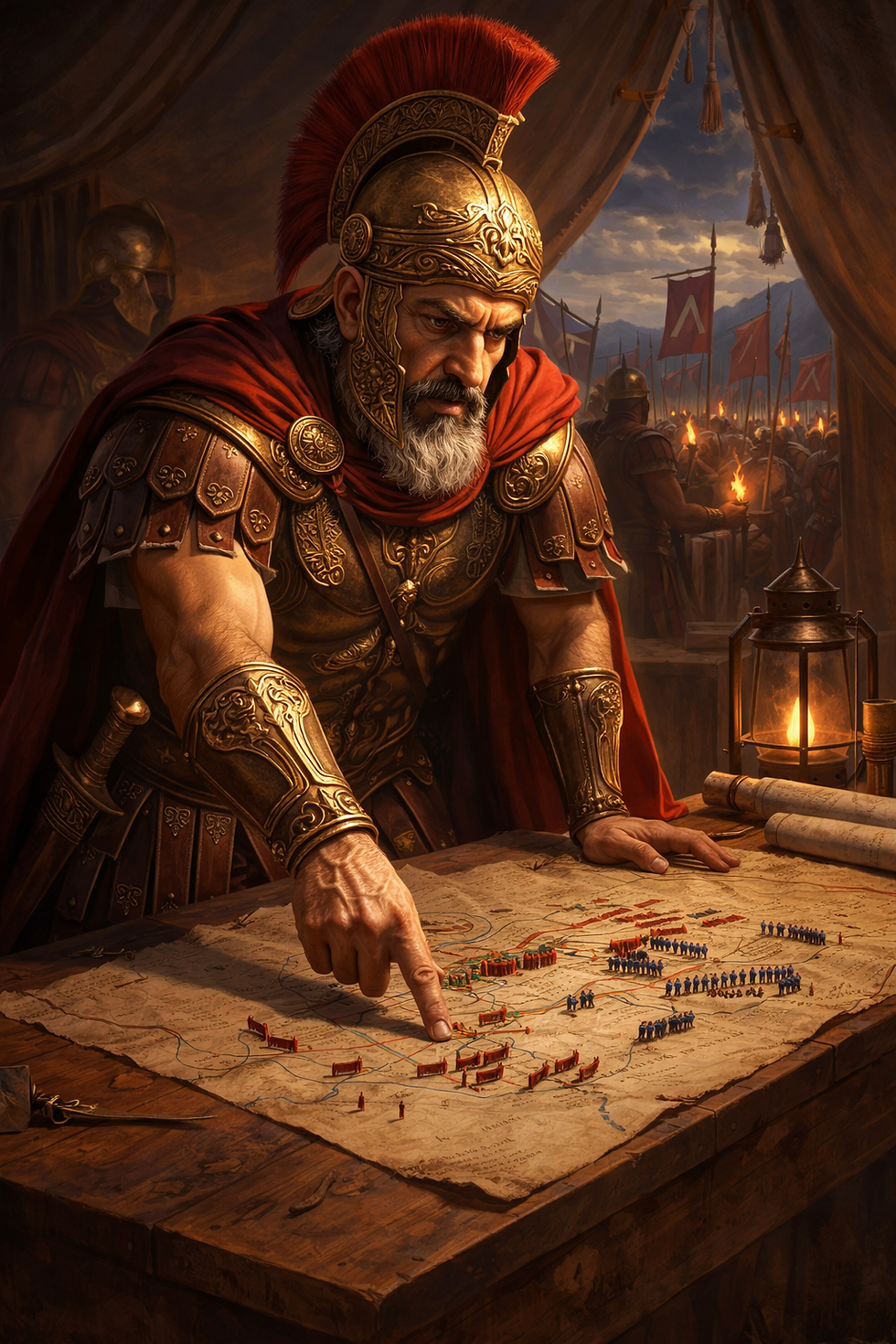
My Name is Nicias: General of Athens
I was born into wealth and privilege, yet I lived my life burdened by responsibility rather than comfort. In a city that celebrated bold speech and daring ambition, I was known for caution, piety, and restraint. I believed that power should be used carefully, especially when the fate of the city was at stake.
A Life Shaped by Duty and Piety
From early on, I devoted myself to public service. I funded temples, festivals, and sacrifices, believing that honoring the gods was essential to Athens’ survival. My wealth allowed me to serve the people, but it also placed me under constant scrutiny. Every decision I made carried expectations far beyond the battlefield.
Reluctant Leadership in a Time of War
When the Peloponnesian War erupted, I did not welcome it. I understood that prolonged conflict would drain Athens of men, money, and unity. Yet I was repeatedly elected general, trusted for my steady judgment. I led campaigns carefully, always weighing the cost of victory against the cost of failure.
The Search for Peace
As the war dragged on, exhaustion spread through Athens. I worked tirelessly to negotiate an end to the fighting, believing that compromise was wiser than endless bloodshed. The peace that bears my name was imperfect, but it was born of necessity. I knew it would not last, yet I hoped it would spare Athens from greater ruin.
Caught Between the Assembly and the Army
In Athens, generals answered not only to strategy, but to public opinion. The Assembly could elevate a man one day and condemn him the next. I often found myself trapped between what I believed was right and what the people demanded. Fear of being seen as weak haunted every cautious choice.
The Weight of Unwanted Command
Later in the war, I was sent on campaigns I opposed, forced to lead plans I did not believe in. Once committed, retreat became impossible without risking disgrace or death. I obeyed the will of the city, even when I feared it would lead to disaster. My loyalty to Athens outweighed my personal judgment.
A Tragic End
In the end, caution could not save me. I was captured, condemned, and executed by enemies who ignored my efforts for peace. My death was not glorious, but it was faithful to the life I lived. I served Athens as best I could, even when it demanded everything from me.
My Legacy
History may call me hesitant, overly cautious, or unlucky. I accept all of this. I believed that leadership meant protecting the city from its own excesses as much as from its enemies. If my story teaches anything, it is that wisdom and moderation are often drowned out in times of war, yet they are the virtues most needed when the stakes are highest.
Athenian Civic Strain and War Weariness – Told by Nicias
I watched Athens change as the war stretched from years into decades. What began with confidence and resolve slowly turned into exhaustion, suspicion, and fear. The enemy was no longer only beyond our walls, but within our own civic life.
The Weight of Endless Mobilization
War demanded constant readiness. Citizens were called repeatedly to serve at sea or on distant campaigns, leaving farms unattended and families strained. The rhythm of ordinary life disappeared, replaced by uncertainty and loss. Even victory brought little relief, for another expedition always followed.
Economic Pressure and Decline
Athens depended on trade, tribute, and stability. As the war dragged on, resources were drained to fund fleets, pay crews, and maintain defenses. Taxes increased, allies grew restless, and wealth concentrated in fewer hands. Prosperity faded, replaced by anxiety over shortages and rising costs.
Political Fracture and Distrust
In the Assembly, patience wore thin. Leaders were praised one day and condemned the next. Decisions were driven less by wisdom than by fear of blame. Accusations replaced cooperation, and political rivals sought advantage rather than unity. War magnified every division already present in our democracy.
Social Strain Within the City
Behind the walls, overcrowding and tension grew. Families displaced from the countryside crowded into the city, sharing space and suffering together. Grief became common, as names of the dead were read year after year. The people grew weary not only of fighting, but of mourning.
The Burden on Leadership
As a general, I felt this strain deeply. Every cautious decision was labeled weakness, every loss treated as betrayal. Yet reckless ambition promised only greater ruin. To lead Athens during this time was to walk constantly between public anger and private dread.
War Fatigue Takes Hold
Eventually, the people no longer asked how to win, but how to endure. Hope narrowed into survival. The energy that once built temples and fleets was spent simply maintaining order. War had become a permanent condition rather than a temporary trial.
The Cost of Prolonged Conflict
Athens was not broken by a single defeat, but by years of unrelenting pressure. War weariness eroded trust, judgment, and compassion. It taught me that even the strongest city can be weakened when conflict outlasts the unity that first sustained it.
Shifting Public Opinion in Athens – Told by Nicias
In a democracy at war, the people become both judges and generals. I learned that the Assembly could turn hope into fury in a single meeting, and that public opinion, once stirred by fear or pride, was more powerful than reasoned strategy.
The Voice of the Assembly
Athens prided itself on the rule of its citizens. Every major decision was debated openly, and every speaker sought to persuade the crowd. In times of peace, this system rewarded thoughtful deliberation. In war, it magnified emotion and impatience.
Fear and Confidence in Constant Conflict
As victories came and went, public mood shifted wildly. Success bred overconfidence, while setbacks sparked anger and blame. The people demanded bold action after triumph and harsh punishment after failure. Few were willing to accept uncertainty or delay.
Leaders as Targets of Frustration
Generals stood exposed to the will of the people. A commander could be celebrated one month and put on trial the next. Caution was mistaken for weakness, and warnings were dismissed as cowardice. Many leaders learned to speak not what they believed, but what the crowd wanted to hear.
Decisions Made Under Pressure
Important choices were often rushed. The desire for quick resolution led the Assembly to approve distant campaigns and grand plans without fully weighing their risks. Debate became less about truth and more about persuasion, as voices promising glory drowned out those urging restraint.
The Cost of Volatility
This instability weakened Athens from within. Strategy changed with each swing of opinion, preventing consistency and long-term planning. Allies lost confidence, enemies sensed opportunity, and the city’s direction became uncertain.
A Personal Struggle with the Crowd
I often found myself arguing against the very enthusiasm that had placed me in command. I feared that the people’s desire for reassurance would lead them into danger. Yet to oppose the crowd was to risk exile, disgrace, or worse.
Lessons from a Democracy at War
War revealed both the strength and the fragility of our system. The same freedom that empowered Athens also made it vulnerable to fear and impulse. I learned that democracy demands patience and wisdom most of all when it is hardest to find them.
The Archidamian War Drags On (431–421 BC) – Told by Nicias
As the years passed, the war lost any sense of momentum or clarity. What many believed would be a short and decisive struggle became a grinding contest of endurance. Neither side achieved the victory it sought, yet both paid the price of continued conflict.
A War Without Decision
Year after year, Sparta invaded our land, and year after year Athens refused to meet them in open battle. We struck by sea, they by land, and neither blow proved fatal. Battles were fought, lives were lost, but nothing truly changed. Victory remained distant, undefined, and always just beyond reach.
Exhaustion of Men and Resources
The cost of constant war weighed heavily on Athens. Soldiers were worn down by repeated service, sailors by endless voyages, and families by prolonged separation and loss. Resources that once built monuments and fleets were now consumed simply to maintain the struggle. The city endured, but it no longer thrived.
Hope Replaced by Survival
In the early years, the people spoke of triumph and honor. As the war dragged on, such language faded. Conversations turned to survival, defense, and endurance. The desire to win slowly gave way to the desire for relief, any relief, from the endless strain.
Stalemate Breeds Doubt
The longer the war continued without resolution, the more doubt spread. Citizens questioned leaders, strategies, and even the purpose of the conflict itself. Confidence in decisive action eroded, replaced by frustration and blame. The war no longer united the city; it tested its cohesion.
The Growing Desire for Peace
Amid this exhaustion, calls for peace grew louder. I believed that compromise, though imperfect, was better than endless attrition. Many came to agree, not because they trusted Sparta, but because they no longer trusted the war to end in victory.
A Pause, Not an End
The peace that followed was born from fatigue rather than reconciliation. It offered a pause, a chance to breathe, but not true resolution. I knew then that the war’s bitterness had not been healed, only delayed.
The Lesson of the Archidamian Years
This phase of the war taught us that stalemate can be as destructive as defeat. Prolonged conflict drains strength, dulls judgment, and reshapes priorities. By the time peace was sought, Athens and Sparta were already changed, and not for the better.
The Peace of Nicias (421 BC) – Told by Nicias
When the fighting paused, many believed the war had ended. I knew better. The agreement that bore my name was not born of trust or reconciliation, but of exhaustion. It was a truce shaped by fear of continued loss rather than hope for lasting harmony.
A Peace Forged from Weariness
After ten years of war, both Athens and Sparta were drained. Men were dead, treasuries strained, and allies restless. Neither side could claim decisive victory. In this shared fatigue, peace became possible, not because grievances were resolved, but because endurance was failing.
Terms Without Confidence
The treaty attempted to restore what had been lost, returning prisoners and contested cities. On parchment, the terms appeared balanced. In spirit, they were fragile. Too many allies felt excluded, too many wrongs remained unaddressed. Both sides signed while doubting the other’s commitment.
Mistrust Beneath the Agreement
Athens suspected Sparta would abandon the treaty when it became convenient. Sparta feared Athens would exploit loopholes and delay obligations. Each side watched the other closely, expecting betrayal. Peace without trust is merely war waiting for an excuse to resume.
Allies Who Would Not Comply
Many allies refused to honor the agreement fully. Some rejected the terms outright, others ignored them quietly. This resistance weakened the treaty from the beginning. A peace that cannot command loyalty is already broken.
A Truce, Not a Resolution
Fighting never truly ceased. Skirmishes continued, accusations multiplied, and resentment deepened. The pause in violence allowed both sides to recover strength rather than heal divisions. Instead of closing the war, the peace reshaped it.
My Burden as Peacemaker
I was praised by some and distrusted by others. To many Athenians, peace looked like surrender. To others, it was the only escape from ruin. I carried the weight of knowing that moderation rarely satisfies those hungry for certainty.
Why the Peace Failed
The treaty failed because it asked enemies to behave as partners without becoming so. Fear remained stronger than faith. When opportunity returned, so did war, fiercer and less restrained than before.
The Lesson of the Peace
Peace cannot endure when built only on exhaustion. Without trust, shared purpose, and honest reconciliation, agreements crumble. The Peace of Nicias delayed destruction, but it could not prevent it.

My Name is Brasidas: Spartan Commander
I was raised in a city known for discipline and tradition, yet my path would take me beyond the rigid expectations of Sparta. I learned early that strength alone does not win wars. Words, reputation, and decisive action could shape events as powerfully as shields and spears.
A Spartan Unlike the Others
From the beginning of my service, I stood out. I spoke plainly, acted swiftly, and treated allies with respect rather than command. While Sparta valued silence and obedience, I believed leadership required understanding people as much as formations. This outlook would define my career.
Early Service and Rising Reputation
During the early years of the Peloponnesian War, I gained recognition for courage and reliability. I proved myself in difficult situations, often when events moved too fast for traditional Spartan caution. My willingness to act earned trust from allies and fear from enemies.
Taking the War Beyond the Peloponnese
My greatest opportunity came when Sparta sent me north, far from home, into Thrace. There, I faced not just armies, but cities bound to Athens by fear and obligation. I offered them freedom instead of threats. One by one, they listened, and many turned away from Athens without a fight.
Winning Through Reputation and Speed
I learned that speed could accomplish what siege engines could not. By striking quickly and keeping my word, I undermined Athenian control across the region. Cities opened their gates because they trusted me, not because they feared Sparta. This approach reshaped how the war was fought.
A Spartan Abroad
Far from Sparta, I commanded a mixed force of allies, mercenaries, and local supporters. I adapted to circumstances, respected local customs, and led from the front. In doing so, I showed that Spartan leadership could evolve without losing its strength.
The Battle That Ended My Life
My campaign ended at Amphipolis. In battle against Athenian forces, I achieved victory but was mortally wounded. I did not live to see the full consequences of my actions, but I knew I had weakened Athens in ways no single battle could have done.
My Legacy
After my death, even my enemies honored me. I was buried as a founder, not a conqueror. History remembers me as proof that innovation and character can change the course of war. I showed that Sparta could fight not only with force, but with trust, speed, and understanding.
Spartan Innovation and the Northern War – Told by Brasidas
When Sparta sent me north, it was not merely to fight battles, but to change how the war itself was fought. Far from the Peloponnese, among unfamiliar cities and shifting loyalties, I learned that adaptability could win what force alone could not.
A New Kind of Command
In Thrace, I did not command only Spartans. My army was a mix of allies, mercenaries, and local forces. Tradition mattered less than trust. I could not rely solely on fear or reputation; I had to earn cooperation through action and restraint. This was not the Sparta of old campaigns, but a more flexible instrument of war.
The Athenian Empire Exposed
Athens ruled many cities not by loyalty, but by obligation and fear. I spoke to these cities as free Greeks, not subjects. I promised autonomy rather than punishment, and many listened. When they defected, it was not because I threatened them, but because they believed Sparta could offer a better future.
Speed and Opportunity
I moved quickly, striking where Athens least expected. Before fleets could respond or reinforcements arrive, decisions were already made. Speed denied the enemy time to intimidate wavering allies. Each success weakened Athens’ hold and strengthened Sparta’s influence without prolonged sieges or destruction.
Amphipolis and Strategic Gain
The capture of Amphipolis was more than a military victory. It was a blow to Athenian resources, prestige, and confidence. The loss showed that Athens’ empire was vulnerable far from the sea, and that Sparta could challenge it beyond traditional battlefields.
Changing Spartan Warfare
My campaign proved that Sparta could adapt. We learned to negotiate, persuade, and maneuver politically as well as militarily. Victory came not only from shields and spears, but from understanding people and timing. This flexibility reshaped how the war was fought.
The Cost of Innovation
Such change was not without resistance. Some at home questioned my methods, fearing they strayed from Spartan custom. Yet the results spoke clearly. The north showed that rigid tradition could be a weakness in a war that demanded change.
The Lesson of the Northern War
The campaigns in Thrace revealed that empires fall when loyalty fades. By offering choice instead of coercion, Sparta struck at the heart of Athenian power. Innovation, when guided by purpose, can turn the course of even the longest war.
Winning Allies Through Action, Not Tradition – Told by Brasidas
In the north, I learned quickly that ancient treaties and inherited loyalties meant little to cities living under fear. If Sparta wished to win allies far from home, we could not rely on reputation alone. We had to prove, through conduct, that we were worthy of trust.
The Limits of Old Alliances
For generations, Greek alliances were shaped by custom, obligation, and fear of punishment. Athens maintained its empire through tribute and force, while Sparta relied on long-standing ties within the Peloponnese. In Thrace, neither system held power. Cities there judged leaders by what they did, not by who they claimed to be.
Leadership Seen at Close Range
I spoke directly to city leaders and citizens, not as a distant authority, but as a commander present among them. I kept my promises, restrained my troops, and respected local customs. Each action became a message. Cities watched closely, weighing whether Sparta would treat them as partners or subjects.
Reputation Built by Deeds
Word traveled faster than armies. When cities saw that I honored agreements and avoided unnecessary cruelty, others took notice. Reputation became a form of power. Without issuing threats, I persuaded communities that aligning with Sparta offered stability rather than oppression.
Freedom as an Offer, Not a Slogan
I did not promise glory or domination. I promised freedom from Athenian control and the right to govern themselves. This promise mattered only because my actions supported it. Where words and behavior aligned, trust followed.
Personal Authority Over Formal Power
In many places, allegiance was given not to Sparta as a state, but to me as a leader. This was a new reality for our city. Personal authority, earned through conduct, replaced formal hierarchy. It was an unfamiliar but effective form of influence.
Risk and Responsibility
Such leadership carried risk. Failure or betrayal would have destroyed not only my reputation, but Sparta’s cause in the region. I understood that every decision mattered, because allies gained through trust could be lost just as quickly.
The Lesson of Earned Loyalty
The northern war showed that alliances built on fear are fragile, but those built on respect endure. In times of upheaval, people follow leaders who act with consistency and restraint. Tradition alone cannot command loyalty. Action must give it life.
Death of Brasidas and Loss of Momentum – Told by Brasidas
I did not expect my life to matter beyond the battles I fought, yet my death revealed how much a single leader can shape the course of a war. When I fell, the war did not end, but its direction changed.
The Battle at Amphipolis
At Amphipolis, I faced the Athenians in a moment that demanded speed and resolve. I attacked decisively, trusting surprise and momentum. The city was saved for Sparta, and Athens suffered a serious blow. Yet victory came at a cost I did not live to measure.
A Victory Without a Commander
Though the battle was won, I was mortally wounded. News of my death spread quickly, and with it came uncertainty. Success without leadership often fades, and the northern campaign lost its guiding hand. Strategy requires continuity, not isolated triumphs.
The Power of Individual Leadership
In Thrace, alliances had been built on trust in me personally. Cities had defected because they believed in my word and conduct. Without that presence, loyalty weakened. What had been held together by reputation and action became fragile once again.
Momentum Lost, Not Reversed
Sparta did not immediately lose what I had gained, but progress slowed. Caution returned where initiative had ruled. Opportunities passed unclaimed, and Athens recovered some confidence. Momentum in war is like breath; once lost, it is difficult to regain.
How Leaders Shape War
My death showed that wars are not driven by states alone, but by people. Strategy lives in minds and decisions, not treaties or numbers. When leaders fall, their vision often falls with them unless others are prepared to carry it forward.
A Personal Reflection
I did not seek glory in death, only effectiveness in life. If my absence taught anything, it is that adaptability and trust must outlive the individual who first embodied them. Without that, innovation fades and war reverts to habit.
The Enduring Lesson
The loss of a single leader can stall an entire campaign. Victory depends not only on armies, but on those who inspire confidence and act decisively. When such figures are gone, wars continue, but rarely in the same direction.
Renewed Conflict and Strategic Overreach – Told by Nicias
When the brief calm after the peace faded, Athens did not return to caution. Instead, ambition filled the space where restraint should have been. I watched as confidence hardened into arrogance, and strategy gave way to dangerous desire.
Peace Gives Way to Restlessness
The pause in fighting did not bring contentment. Many Athenians interpreted survival as proof of invincibility. The war had not humbled the city as I feared it should have. Instead of consolidating what we had preserved, voices in the Assembly demanded expansion and renewed action.
Ambition Replaces Defense
Athens had once fought to protect its empire. Now it sought to enlarge it. Proposals grew bolder, distances longer, and risks greater. Success at sea and wealth from allies encouraged the belief that no challenge lay beyond our reach. Prudence was dismissed as weakness.
Decisions Driven by Confidence, Not Necessity
Campaigns were approved not because they were required for survival, but because they promised glory. The Assembly favored plans that appealed to pride and imagination. Warnings about overextension were drowned out by promises of easy victory and limitless gain.
The Burden of Command Without Authority
I often found myself ordered to carry out strategies I opposed. Once the people decided, obedience was expected, even when reason protested. To refuse was to invite exile or execution. Leadership in Athens had become submission to popular will rather than guidance of it.
Overreach Strains the City
As commitments multiplied, so did pressure on men and resources. Fleets were spread thin, commanders divided in purpose, and attention scattered across distant goals. Athens began to gamble its future on outcomes it could not fully control.
Ignoring the Lessons of the Past
The long years of stalemate and exhaustion had taught us the cost of endurance. Yet those lessons were forgotten. Victory had become an expectation rather than a hope, and caution was treated as betrayal of the city’s greatness.
The Path Toward Disaster
I feared that renewed conflict, fueled by unchecked ambition, would undo what restraint had preserved. Strategic overreach does not fail at once. It succeeds just long enough to convince a city that it cannot fail at all.
The Lesson of Renewed War
Power tempts those who possess it to test its limits. Athens learned too late that ambition without restraint invites ruin. When desire outruns wisdom, even the strongest city places itself in greater danger than any enemy ever could.
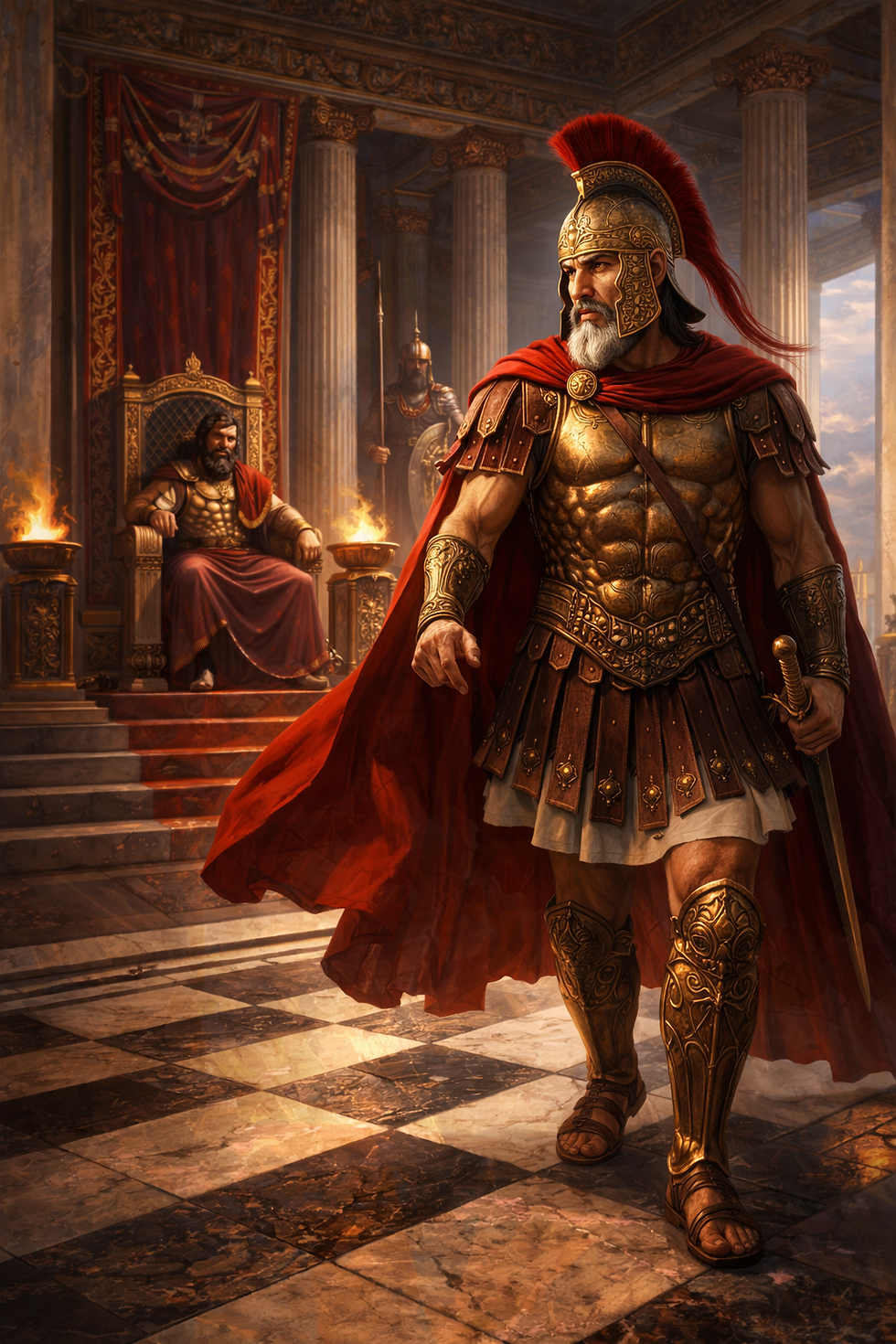
My Name is Lysander: Spartan Admiral
I was not born a king, nor into the highest rank of Spartan society, yet I rose through discipline, loyalty, and resolve. In Sparta, lineage mattered, but victory mattered more. I learned early that influence could be earned not only by birth, but by results.
A Different Path in Sparta
My life did not follow the traditional road of Spartan glory on land. I found my purpose at sea, where Sparta was weakest. While others clung to old ways, I saw that the future of the war depended on ships, money, and alliances beyond Greece.
Learning the Power of Wealth and Influence
When I was given command of the fleet, I understood that courage alone would not defeat Athens. Their navy was experienced, their sailors trained, and their empire wealthy. I turned to Persia, forging relationships that brought gold into Spartan hands. With Persian silver, I built ships and paid crews, transforming our naval power.
Commanding Loyalty Beyond Sparta
I ruled firmly, but I rewarded loyalty. Allies and subordinates followed me not because they were forced, but because they benefited from my success. I created networks of personal allegiance that reached across the Aegean. In this way, power flowed to me even when official titles did not.
Breaking Athenian Power at Sea
My greatest victory came when I destroyed the Athenian fleet. Without ships, Athens could not feed itself, defend its empire, or resist siege. I did not rush to assault the city. I waited, knowing hunger would succeed where force might fail.
The Fall of Athens
When Athens finally surrendered, its walls were torn down and its empire dissolved. I stood at the moment when Spartan power reached its peak. The war was over, and I had shaped its ending. Greece was quiet, but uneasy.
Ruling Through Influence
After the war, I placed friendly governments across former Athenian territories. Though Sparta claimed authority, many knew that my hand guided these decisions. Some admired my effectiveness, others feared my ambition. I accepted both reactions as the cost of power.
My Legacy
History judges me as decisive, ruthless, and transformative. I ended the war that consumed Greece for a generation, but I also changed Sparta itself. I proved that power could come from strategy, alliances, and control as much as from tradition. In victory, I learned that shaping peace can be as dangerous as winning war.
Persian Support Enters the War – Told by Lysander
Sparta had long fought with discipline and endurance, yet discipline alone could not defeat an empire at sea. I understood that if Athens was to fall, Sparta had to change the nature of the war, and that change required wealth as much as courage.
Recognizing the Limits of Spartan Power
Sparta excelled on land, but the sea belonged to Athens. Their fleet was experienced, well-paid, and constantly supplied. Our sailors lacked training, and our treasury could not sustain long naval campaigns. To challenge Athens where it was strongest, we needed resources beyond our own means.
Turning Toward Persia
Persia had its own reasons to weaken Athens. Athenian power in the Aegean threatened Persian interests along the coast of Asia Minor. I approached Persian leaders not as supplicants, but as partners with shared goals. Gold, I argued, could succeed where armies had failed.
Silver That Built a Fleet
Persian funding transformed Sparta’s naval capabilities. With silver, we built ships, trained crews, and paid sailors reliably. This changed everything. Loyalty at sea depends on pay as much as patriotism, and for the first time, Spartan fleets could match Athenian endurance.
A New Balance of Power
With Persian support, the war shifted. Athens no longer faced an inferior navy, but a disciplined and persistent rival. Their advantage narrowed, and their confidence weakened. Sea battles became contests of strategy rather than foregone conclusions.
Political Cost of Foreign Support
I knew that accepting Persian aid came with consequences. Sparta prided itself on independence, yet necessity demanded compromise. Some questioned whether victory purchased with foreign gold was worth its price. I believed survival and success outweighed purity of pride.
Strategy Over Tradition
This alliance marked a turning point. Sparta learned that tradition must bend in the face of reality. War is not won by honor alone, but by understanding the tools required for victory. Persian silver was one such tool.
The Lesson of Persian Involvement
When Persia entered the war through funding rather than armies, the balance of Greece shifted. Power flowed not only from courage, but from resources and alliances. Those who adapt endure. Those who refuse change fall behind.
Naval Defeat of Athens – Told by Lysander
Athens believed the sea would always protect her. I understood that if her fleet fell, the city itself would follow. Victory would not come from storming walls, but from cutting the lifelines that kept Athens alive.
Understanding Athenian Dependence on the Sea
Athens was sustained by its navy. Grain, tribute, and communication flowed along sea routes. Without ships, the city could not feed its people or control its allies. I knew that land victories meant little as long as Athens ruled the waves.
Patience as a Weapon
I avoided reckless engagements. Instead, I watched, waited, and studied the habits of the Athenian fleet. Confidence had made them careless. Their commanders believed experience alone guaranteed superiority. I allowed that belief to grow.
Striking at the Moment of Weakness
When the time came, I attacked decisively. The Athenian fleet was caught unprepared, its crews scattered and disorganized. The battle was swift and final. Ships were captured or destroyed before they could form a proper defense. In that moment, Athenian naval dominance ended.
The Collapse of Supply Lines
With their fleet gone, Athens was exposed. Grain ships no longer arrived. Allies could not be reinforced. The sea, once a shield, became a barrier they could no longer cross. Hunger began to do what armies could not.
Psychological Defeat Alongside Military Loss
The loss of the fleet shattered Athenian confidence. Hope had rested on the belief that the navy would always recover. When it did not, despair spread through the city. Morale collapsed faster than walls ever could.
Control of the Aegean
With Athens defeated at sea, Sparta commanded the routes that once fed the empire. Cities that had feared Athens now turned away from her. Power shifted not through conquest of land, but through control of movement and trade.
The Lesson of Naval Power
The fall of Athens proved that empires are sustained by systems, not pride. Destroy the system, and the city follows. Sea power had built Athenian greatness, and its loss sealed Athenian defeat.
Fall of Athens and the End of the War (404 BC) – Told by Lysander, Archidamus II, Nicias, and Brasidas
The war that reshaped Greece did not end with a single battle, but with exhaustion, hunger, and the collapse of confidence. Each of us saw the end from a different place, yet all understood that nothing in Greece would ever be the same again.
Lysander: The Moment of Surrender: I watched Athens fall not through assault, but through inevitability. With the fleet destroyed and supply lines cut, the city starved behind its walls. When surrender came, it was quiet and final. The Long Walls were dismantled, the empire dissolved, and Spartan victory was complete. Power had shifted, and I stood at its center.
Archidamus II: The War I Foretold: Though I did not live to see Athens surrender, the ending confirmed my earliest warnings. This war was never meant to be swift. It consumed strength, discipline, and restraint on both sides. The fall of Athens proved that endurance, not brilliance, decides long wars, and that victory carries its own dangers.
Nicias: The Tragedy of a City: For Athens, surrender was not only military defeat, but moral collapse. The people endured hunger, fear, and humiliation. I had sought peace to spare the city this fate, yet watched ambition and impatience lead us here. Democracy, once our pride, now faced uncertainty under foreign influence.
Brasidas: The Loss Beyond Victory: Even in victory, something was lost. The war ended the balance that once defined Greece. Cities no longer trusted ideals or alliances, only power. Innovation and leadership had shaped the war, but its end rewarded control rather than character.
The Dismantling of the Walls: The destruction of Athens’ walls symbolized more than defeat. It marked the end of an era where naval power and empire defined security. The walls fell to music and celebration among the victors, but to silence and grief among the defeated.
A Changed Greek World
Sparta emerged as the dominant power, yet victory brought responsibility and resentment. Persia’s influence lingered. Cities questioned old loyalties. The war that began over fear of power ended by scattering it in unstable ways.
The Final Lesson of the Peloponnesian War
This war taught Greece that dominance invites resistance, and victory can sow future conflict. Athens fell, Sparta ruled, but no city truly won. The end of the war closed one chapter and opened another, darker and more uncertain than before.


Comments